
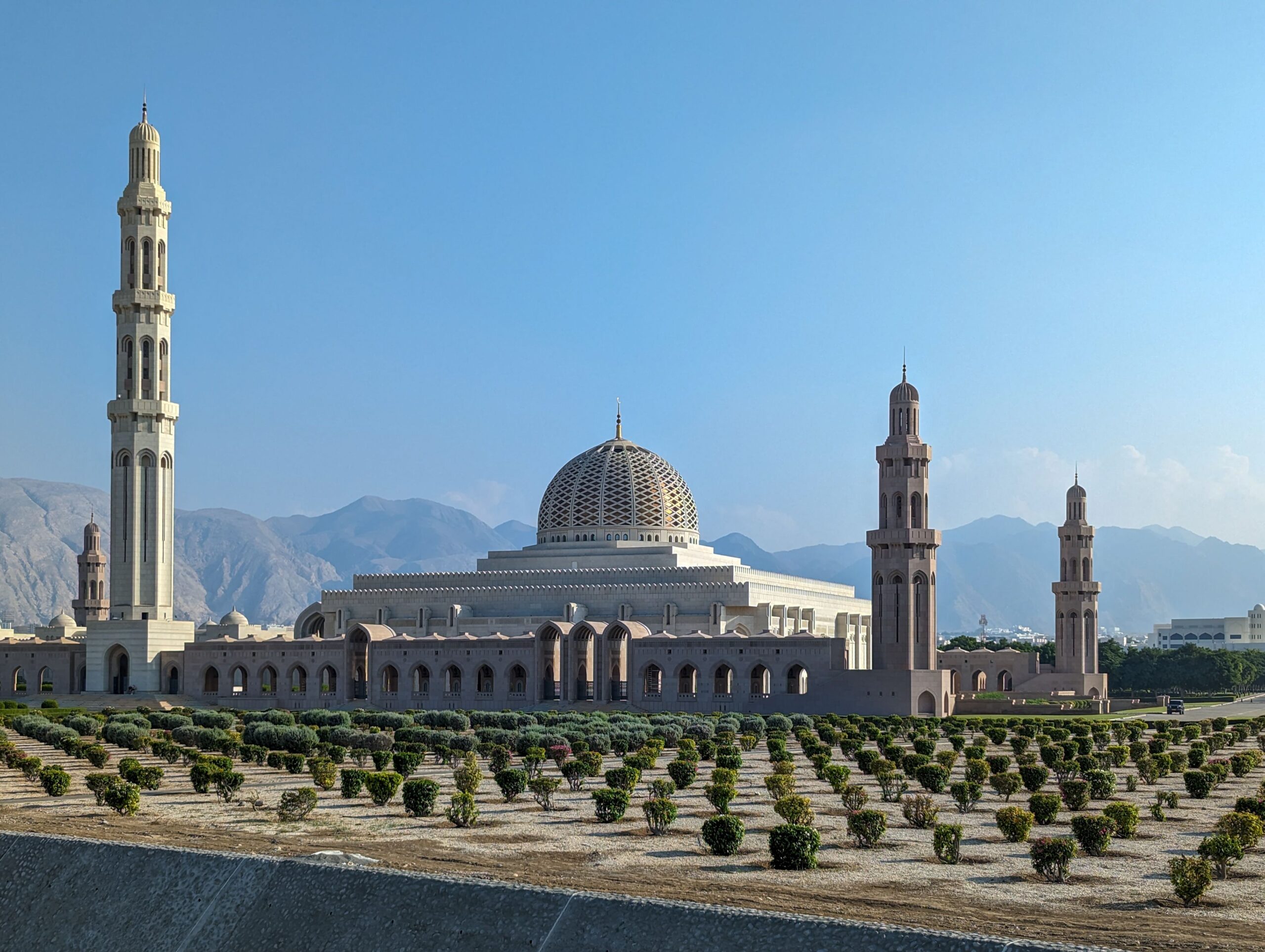
The route that completes the Oman argument the 48-hour guide begins: two days in Muscat for the Sultan Qaboos Grand Mosque at dawn and the Mutrah Souk and the fish market at 6am where the kingfish from the Arabian Sea is auctioned before the restaurant opens, two days in the Hajar Mountains for the Jabal Shams (the Grand Canyon of Arabia) and the Misfat al Abriyeen (the mountain village accessible only by foot that has been terracing the Hajar rock for date palm cultivation since the Iron Age), and three days in the Wahiba Sands for the desert camp and the camel and the specific Omani desert at night when the temperature drops 20°C and the Milky Way is visible from the tent doorway — and why Oman, at the price that Morocco was 15 years ago and with the infrastructure that Morocco has now, is the travel industry’s most specific current open secret.
Reading time: 10 minutes | Last updated: 2026
Before You Leave
The visa: Oman tourist visa on arrival for UK citizens — OMR 20 / £39.37, valid 30 days. The eVisa at evisa.rop.gov.om gives the same result without the arrival queue.
The car: A 4WD is required for the Wahiba Sands approach (the final 10km to the main camps is soft sand — the 2WD will get stuck). A standard SUV handles the Hajar Mountain roads. Hire from Muscat International Airport: OMR 15-30 / £29.58-59.16 per day.
The Route
Muscat (2 nights) → Hajar Mountains: Jebel Shams and Misfat (2 nights, 3-hour drive west) → Wahiba Sands desert camp (3 nights, 3-hour drive south)
DAYS 1-2 — Muscat
Full guide: Muscat in 48 Hours. The specific 7-day Oman additions:
The Sultan Qaboos Grand Mosque:
The Sultan Qaboos Grand Mosque (the mosque completed in 2001 — the main prayer hall chandelier (the 14-tonne Swarovski crystal chandelier, the largest handmade Iranian carpet in the world (70 × 60 metres) on the floor below): open to non-Muslim visitors Saturday-Thursday 8am-11am. Dress code strictly enforced — the abaya loaner available at the entrance.
The Muscat fish market:
The Muttrah Fish Market (the covered fish market adjacent to the Muttrah Souk — the Arabian Sea catch arriving from 5am, the auction at 6am, the kingfish (scomberomorus commerson) and the hamour (epinephelus coioides) and the cuttlefish visible at the stalls):
At 6am: the auction (the fish auctioned by the kilo to the restaurant buyers, the call audible in the auction hall), the specific Muscat food economy visible before the retail opens.
DAYS 3-4 — Hajar Mountains
The Jabal Shams:
The Jabal Shams (the highest peak in Oman at 3,009 metres — the “Grand Canyon of Arabia” visible from the Wadi Ghul viewpoint, the 1,000-metre sheer drop into the canyon visible from the road-accessible viewpoint):
The Snake Gorge (the Wadi Bani Awf canyon approach to Jabal Shams — the 4WD road through the gorge visible from below as the waterpocket series, the wadi crossing requiring the 4WD at multiple points):
The Misfat al Abriyeen:
The Misfat al Abriyeen (the Iron Age mountain village accessible only by the foot path from the road below — the terraced date palm cultivation on the cliff face, the falaj irrigation channels (the underground water channels of the pre-Islamic Omani water management system) still visible and operational, the village abandoned by most families and visited by tourists and the remaining elderly population):
The specific Misfat instruction: the village is inhabited. The remaining residents are not exhibition subjects — they are the people who chose not to move to the modern village at the road. Photograph the landscape, not the people without permission.
DAYS 5-7 — Wahiba Sands
The desert camp:
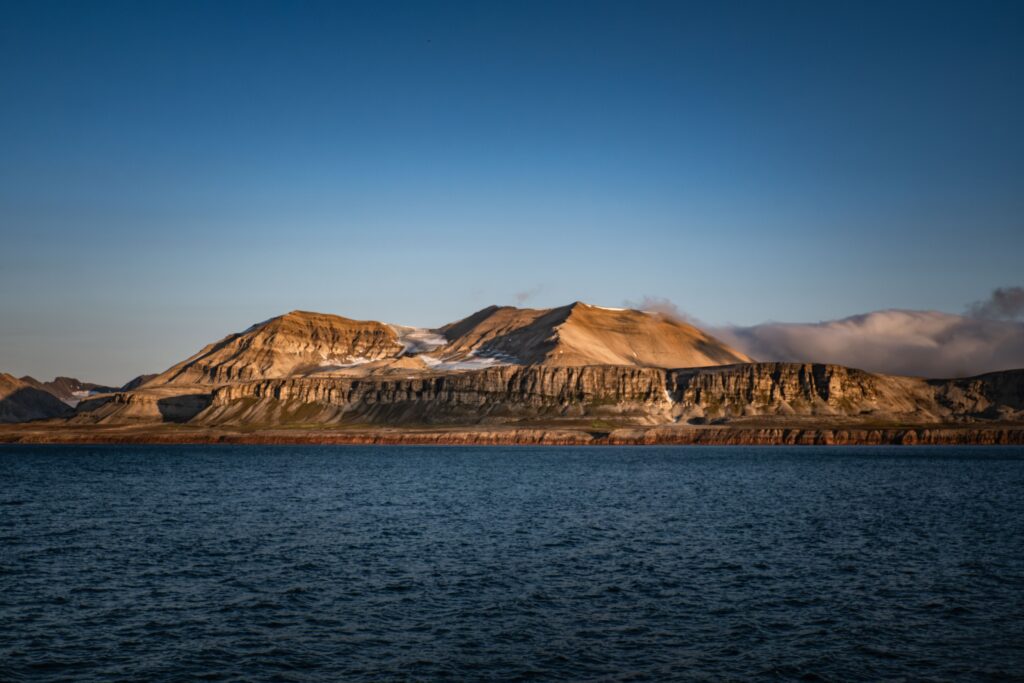
The Wahiba Sands (the 12,500 square kilometre sand sea in central Oman — the dunes reaching 100 metres, the specific Omani desert landscape):
The camel:
The Omani dromedary (Camelus dromedarius) — the single-humped camel of the Arabian Peninsula, the specific animal that the Bedouin of the Wahiba still use for the desert navigation (the GPS-equipped Bedouin uses the camel for the terrain that the 4WD cannot reach).
The sunset camel ride from the camp (the 1-hour circuit, the dune ridge at sunset, the shadow of the camel and rider visible on the sand face): OMR 5-10 / £9.87-19.74 per person.
The desert night:
The Wahiba at midnight (the temperature drop from the 28°C midday to the 8°C midnight in December-February, the specific Arabian Peninsula night cold that the desert visitor does not expect): the Milky Way visible in the specific darkness that the Wahiba’s distance from any city gives.
The overnight desert camp (the Bedouin-style tent accommodation, the dinner cooked in the zarb (the underground oven — the same cooking method as the Wadi Rum Bedouin), the breakfast before the sunrise dune climb): OMR 30-60 / £59.16-118.32 per person.
What It Costs
| Category | Budget | Mid-Range |
|---|---|---|
| Return flights (UK-Muscat) | £200-450 | £350-700 |
| 4WD hire (5 days) | £148-296 | £220-450 |
| 7 nights accommodation | £70-210 | £210-560 |
| Desert camp (3 nights) | £177-354 | £354-710 |
| Food (7 days) | £30-80 | £80-200 |
| Total | £625-1,390 | £1,214-2,620 |