
The route that gives Rwanda its full argument in seven days: two days in Kigali for the Genocide Memorial that is the essential context for everything else the country has become and the Inema Arts Centre that is the evidence of what the country is becoming, one day trekking the gorillas in the Volcanoes National Park at the permit that costs USD 1,500 and that earns every cent because nothing else in Africa places you within arm’s reach of a silverback mountain gorilla for a full tracked hour, and four days in the southwest for the Nyungwe Forest (the oldest rainforest in Africa, the chimpanzee tracking, the canopy walkway at 90 metres) and the Lake Kivu (the inland sea between Rwanda and the DRC, the volcanic islands, the beach that no guidebook told you about because the beach in Central Africa is not what the Africa travel market is selling).
Reading time: 11 minutes | Last updated: 2026
Rwanda is the fastest-transforming country in Africa — the nation that went from the 1994 genocide (800,000-1,000,000 people murdered in 100 days, the most concentrated killing rate in human history) to the most visibly ambitious development programme on the continent. The Kigali that the visitor encounters in 2025 is the cleanest capital city in Africa (the plastic bag banned in 2008, the monthly umuganda community cleaning day mandatory for all residents), the fastest-growing tech hub in East Africa, and the country that the World Bank ranks as the best business environment in Africa.
The gorilla is the reason most visitors come. Rwanda gives more than the gorilla.
Before You Leave
The visa: Rwanda visa on arrival for UK citizens — USD 30 / £23.62, or the e-Visa at irembo.gov.rw — same price, shorter queue.
The gorilla permit: USD 1,500 / £1,181 per person for the 1-hour gorilla trek in the Volcanoes National Park. Book via the Rwanda Development Board at rdb.rw — 4-6 months ahead for peak season (June-September, December-January). The permit includes the park entry, the guide, and the tracker. No photography restriction during the hour.
The gorilla hour: The hour begins when the tracker confirms visual contact with the gorilla family. The hour is strictly enforced — the habituation of the gorilla family to human presence requires the time limit to prevent stress. The family’s silverback may be visible at 3 metres or at 15 metres depending on the family’s movement. The tracker positions the group for the optimal viewing. Follow every tracker instruction immediately.
The Route
Kigali (2 nights) → Volcanoes National Park gorilla trek (1 night at park base) → Nyungwe Forest (2 nights) → Lake Kivu (2 nights, Kibuye/Rubavu)
DAYS 1-2 — Kigali
Day 1: The Genocide Memorial
The Kigali Genocide Memorial:
The Kigali Genocide Memorial (Gasabo District — the memorial on the hill above Kigali, the burial site of 250,000 genocide victims, the gardens and the memorial building covering the history of the genocide and the international failure to intervene):
The specific memorial instruction: the memorial covers three phases — the history of Rwanda before 1994 (the Hutu-Tutsi colonial-era classification that the Belgian administration introduced and that the post-independence governments weaponised), the hundred days of 1994 (the radio broadcasts that directed the killings, the church massacres, the specific mechanics of the genocide), and the survivors’ accounts (the video testimonies, the photographs, the personal objects recovered from the mass graves).
Allow 3-4 hours. The memorial is not visited quickly. Entry: free.
The specific post-memorial instruction: Kigali has built a city around the memory without being paralysed by it. The coffee at the Question Coffee Shop (the survivor-led coffee cooperative, the finest specialty coffee in East Africa) after the memorial is the correct sequence — the country moving forward visible in the cup.
Day 2: The Inema Arts Centre and the Kimironko Market
The Inema Arts Centre:
The Inema Arts Centre (KN 29 Street, Kiyovu — the gallery and creative hub founded by brothers Emmanuel and Innocent Nkurunziza, the space showing Rwandan contemporary painting, sculpture, and photography alongside the craft market and the rooftop bar):
The Inema at 10am (the artists visible in the studio sections of the building, the work in progress visible through the studio windows, the specific Kigali creative economy visible at production): free gallery entry.
The Kimironko Market:
The Kimironko Market (the largest market in Kigali — the imigongo geometric art panels (the traditional Rwandan cow dung art, the geometric pattern specific to each artisan family, the specific Rwanda craft that UNESCO recognises), the Kitenge fabric (the East African wax-print fabric, the specific Rwanda pattern), and the agaseke basket (the traditional woven basket used for the dowry exchange)):
The market negotiation: the Kigali market operates at the local price for the local buyer and at the tourist price for the foreign buyer. The gap closes with knowledge of the local price (ask the guesthouse host before the market visit) and the specific item interest rather than the general browsing.
DAY 3 — The Gorillas (Volcanoes National Park)
The drive from Kigali:
The 2.5-hour drive northwest to Musanze (the Volcanoes National Park base town) — the Virunga volcano chain visible from the road as the approach narrows, the five volcanoes of the Virunga Massif (Karisimbi, Bisoke, Muhabura, Gahinga, Sabyinyo) visible above the tea plantation landscape.
The trek:
The morning briefing at the RDB offices (7am — the groups of maximum 8 visitors assigned to the habituated gorilla family, the ranger introducing the family’s composition and recent behaviour): the trek duration varies by family location (30 minutes to 4 hours of hiking through bamboo forest and volcanic terrain — the tracker communicates with the rangers on the mountain by radio throughout, the group directed to the family’s current position).
The gorilla family: Rwanda has 10 habituated gorilla families available for tourism. Each family has between 8-30 individuals. The silverback (the adult male, identified by the silver saddle of hair across the back) is typically the family’s focal point — visible as the largest animal in the group, often at rest or feeding, occasionally charging (the mock charge, the chest beat, the specific silverback communication that the ranger instructs you to respond to by crouching, avoiding eye contact, and remaining still).
The 1-hour encounter: the gorilla hour is the specific Rwanda wildlife experience. The mountain gorilla (Gorilla beringei beringei) is the largest living primate (the adult male weighing 135-220kg), found only in the Virunga Massif and the Bwindi Impenetrable Forest in Uganda. The Rwanda gorilla population: approximately 400 of the world’s 1,063 mountain gorillas (2023 census) live in the Volcanoes National Park. The encounter at arm’s reach — the silverback feeding on the bamboo shoot, the juveniles playing in the vegetation, the mother nursing the infant — gives the specific mountain gorilla in its specific habitat rather than in the enclosure.
DAYS 4-5 — Nyungwe Forest
The drive south:
The Kigali-Nyungwe Forest (225km, 3.5 hours on the RN1 south toward Burundi — the Lake Kivu visible to the right after Butare, the Nyungwe plateau visible as the mountain forest in the distance):
The Nyungwe Forest:
The Nyungwe Forest National Park (the 1,019 square kilometre montane rainforest — the oldest continuous forest in Africa, the 13 primate species including the chimpanzee and the Angolan colobus monkey, and the 310 bird species):
The chimpanzee tracking:
The Cyamudongo Forest (the chimpanzee tracking — the habituated chimpanzee community of 35 individuals, the trek through the forest with the ranger and the tracker): USD 150 / £118.11 per person.
The chimpanzee encounter (the Pan troglodytes — the closest living relative to the human at 98.7% shared DNA, the specific encounter at Nyungwe that differs from the Uganda Kibale experience in the forest density and the terrain): the chimpanzee in the Nyungwe canopy (the tree-to-tree movement at 30 metres above the trail, the call audible from 500 metres) versus the Uganda chimpanzee on the forest floor (the more accessible ground-level encounter).
The Canopy Walkway:
The Nyungwe Canopy Walkway (the suspension bridge system at 70 metres above the forest floor — the bridge section at 90 metres giving the Nyungwe forest canopy visible in every direction, the colobus monkey (Colobus angolensis ruwenzorii — the black-and-white colobus, the monkey visible from the bridge at eye level in the canopy): USD 60 / £47.24 per person.
DAYS 6-7 — Lake Kivu
The Lake Kivu:
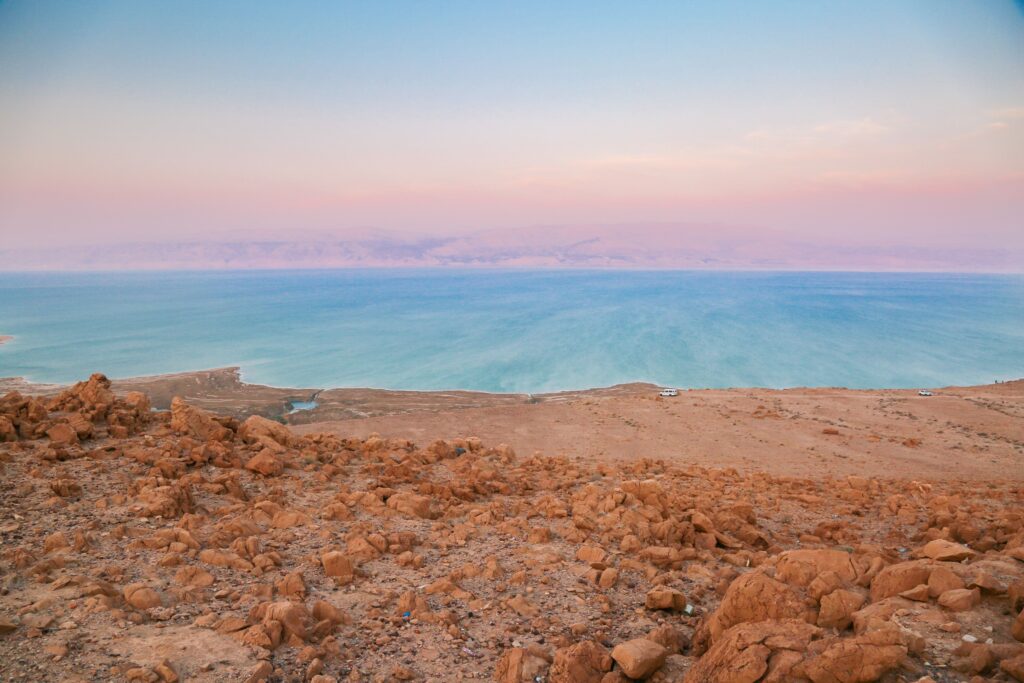
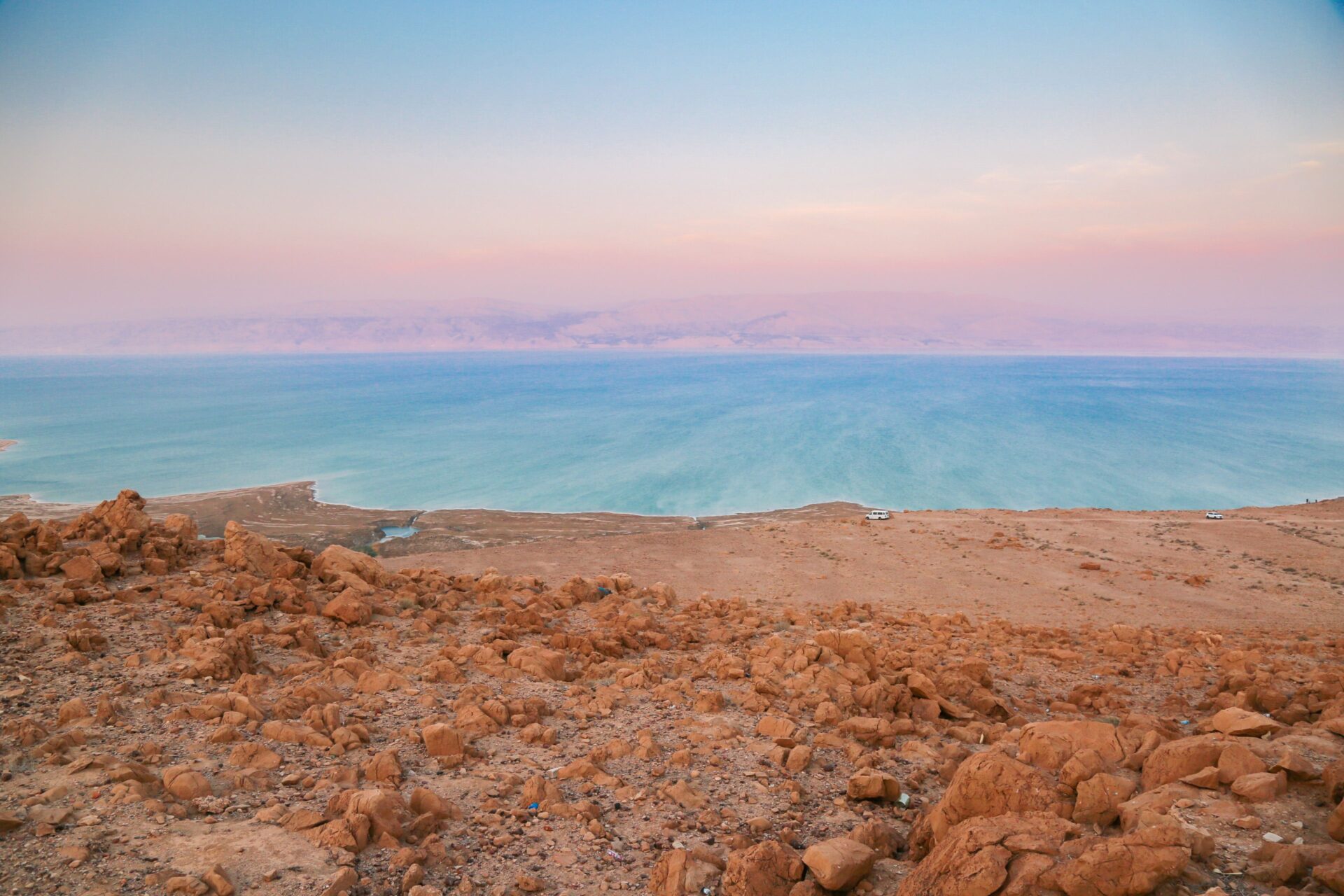
The Lake Kivu (the inland lake between Rwanda and the DRC — 2,700 square kilometres, the volcanic islands visible from the western shore, the specific Central African lake that the travel market does not associate with Rwanda because the East Africa beach is not the product the Africa market promotes):
The Rubavu (Gisenyi) beach:
The Rubavu beach (the Gisenyi town beach on the northern Lake Kivu shore — the sand beach, the palm trees, the lake at 26-28°C in the dry season, the DRC mountains visible across the lake 15km to the west):
The beach in Rwanda: the specific cognitive dissonance of the excellent beach in the country that the travel market presents exclusively through the gorilla and the genocide. Both are real. The Lake Kivu beach is also real.
The Kibuye boat trip:
The boat from Kibuye (the midpoint town on the eastern Lake Kivu shore) to Napoleon Island (the island bat colony — the fruit bat (Eidolon helvum, the straw-coloured fruit bat) roosting on the island in numbers visible from the boat, the bat count at sunset giving the specific Rwanda wildlife encounter that the gorilla track obscures): boat hire from Kibuye: RWF 15,000-25,000 / £9.98-16.64 per boat.
What It Costs
| Category | Budget | Mid-Range |
|---|---|---|
| Return flights (UK-Kigali) | £350-600 | £500-850 |
| Gorilla permit | £1,181 | £1,181 |
| 7 nights accommodation | £70-210 | £210-560 |
| Food (7 days) | £35-80 | £80-180 |
| Chimpanzee tracking | £118 | £118 |
| Canopy walkway | £47 | £47 |
| Transport (hire car or driver) | £80-180 | £120-260 |
| Total | £1,881-2,416 | £2,256-3,196 |
The gorilla permit dominates the Rwanda budget at any price level — the USD 1,500 / £1,181 is non-negotiable and non-reducible. Below that single cost, Rwanda is one of the most affordable East Africa destinations.