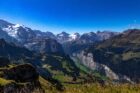

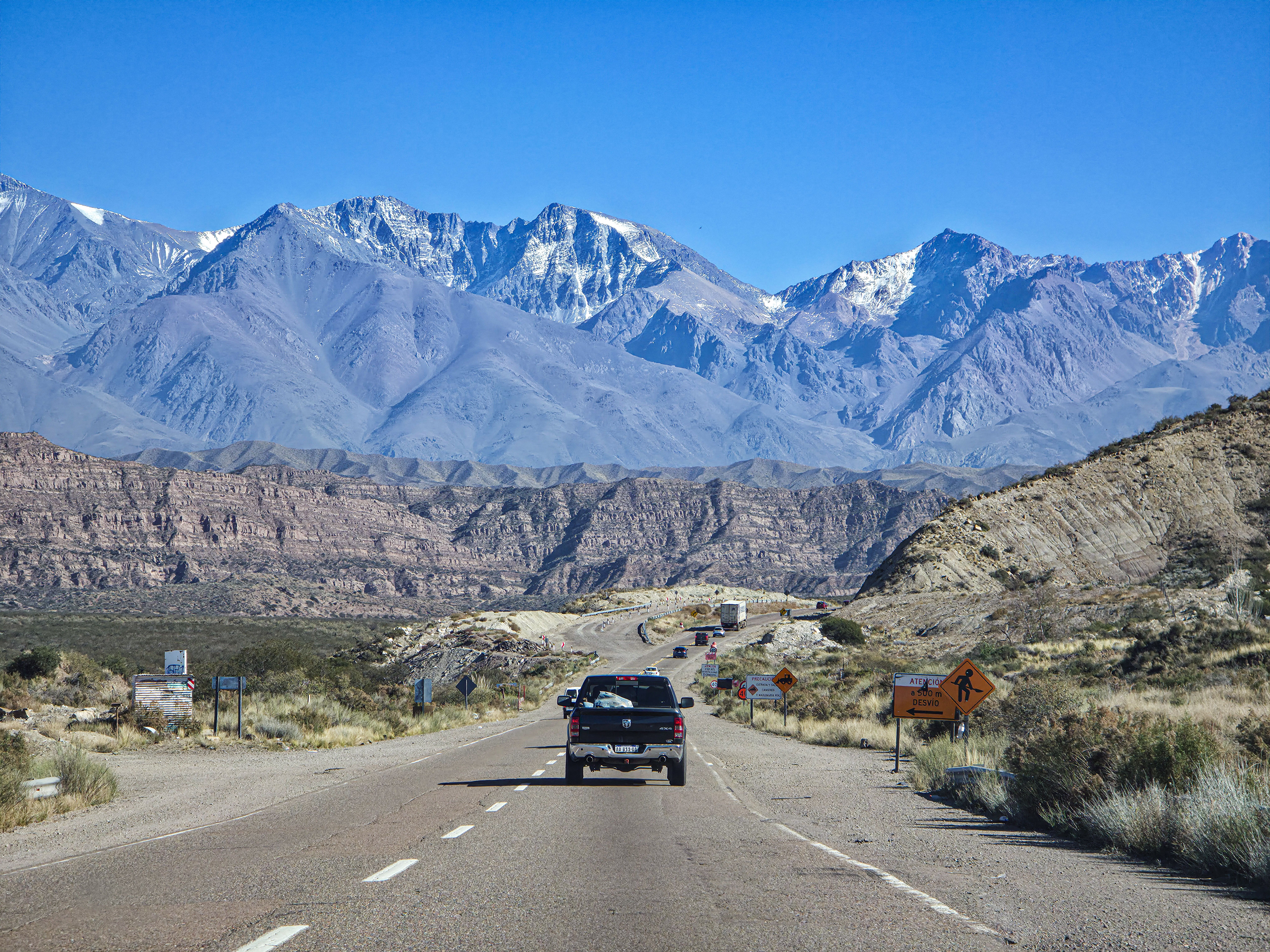
The circuit that gives the Andes its complete argument: five days in Peru for the Cusco and the Sacred Valley and the Machu Picchu at the dawn that earns the permit cost (full detail in 7 Days in Peru), four days in Bolivia for the Salar de Uyuni (the world’s largest salt flat, the mirror at sunrise when the 1cm of rainwater gives the perfect reflection of the sky above the 10,582 square kilometres of white salt — the photograph that one hundred million people have seen and that the physical experience exceeds by the specific factor of the 3,656-metre altitude silence and the complete absence of any reference to the horizon scale), and five days in Colombia for the Cartagena walled city and the Medellín transformation and the coffee region (full detail in 7 Days in Colombia) — the circuit that gives the South America argument from the ancient to the geographical to the contemporary in fourteen days.
Reading time: 10 minutes | Last updated: 2025
The Route
Lima, Peru (1 night, arrival) → Cusco (2 nights) → Sacred Valley (1 night) → Machu Picchu (1 night: Aguas Calientes) → fly Cusco-La Paz → La Paz, Bolivia (2 nights) → Uyuni Salt Flat (2 nights) → fly Uyuni-La Paz-Bogotá → Colombia (5 nights: Cartagena, Medellín, Coffee Region) → fly home from Bogotá or Medellín
DAYS 1-5 — Peru
Full detail: 7 Days in Peru and Peru with Kids. The abbreviated circuit:
The Machu Picchu at dawn (Day 4-5):
The 5:30am entry (the earliest admission slot — the Sun Gate walk (the Inti Punku, the 1.5-hour walk from the main site entrance, the site visible from the gate in the first light)):
The specific Machu Picchu dawn instruction (not repeated from the destination guide — the new addition): the condor thermalling above the main plaza at 7am (the Andean condor (Vultur gryphus) the most dramatic single wildlife presence at Machu Picchu, the 3.3-metre wingspan visible against the morning sky as the bird uses the thermal above the stone terrace, the condor that the tourist photograph never includes because it is above the frame):
DAYS 6-9 — Bolivia
La Paz:
The La Paz (the seat of government at 3,625 metres — the world’s highest administrative capital, the city visible from above as the bowl surrounded by the Altiplano, the Illimani (the 6,438-metre peak) visible above the city from the Plaza Murillo):
The Witches’ Market (Mercado de las Brujas):
The Mercado de las Brujas (the Linares Street, La Paz — the market selling the dried llama foetuses (the traditional Pachamama (Earth Mother) offering, buried in the foundations of new buildings as the blessing for the construction), the coca leaves, the amulets, and the specific Bolivian Aymara spiritual tradition visible at the commercial level):
The specific La Paz altitude management: arrive the day before the Uyuni departure. La Paz at 3,625 metres gives the acclimatisation that the 3,656-metre Uyuni requires. Do not arrive in La Paz and depart for Uyuni on the same day.
The Death Road:
The Yungas Road (the 64km descent from La Cumbre at 4,650 metres to Coroico at 1,200 metres — the mountain bike descent, the road carved into the cliff face with the 600-metre drop visible at the road edge, the “World’s Most Dangerous Road” title (the road killed 200-300 people per year in the pre-bypass era; the bypass now carries the motorised traffic, the mountain bike tour the specific adventurer)):
From La Paz: USD 25-50 / £19.69-39.37 per person for the guided mountain bike tour with transport.
The Salar de Uyuni:
The Salar de Uyuni (the Bolivian salt flat — the 3-day tour from the Uyuni town (the tour operator circuit covering the salt flat, the Isla Incahuasi (the island of cacti rising from the salt flat — the cardon cactus (Echinopsis atacamensis) at 10 metres height visible above the white salt), the Laguna Colorada (the red lake at 4,278 metres — the colour from the Dunaliella salina algae and the red sediment, the flamingo visible at the lake edge in hundreds)):
Day 1: The Salar de Uyuni at sunrise (the mirror effect — the 1cm of seasonal rainwater giving the sky-reflection visible at the dawn light). The salt hotel. Day 2: The altiplano (the Eduardo Avaroa National Reserve — the Laguna Colorada, the Salvador Dali Desert, the geysers at 4,800 metres). Day 3: Return to Uyuni.
3-day tour: USD 60-150 / £47.24-118.11 per person (the split jeep, the group tour format — the private jeep at 3× the price).
DAYS 10-14 — Colombia
Full detail: 7 Days in Colombia. The 5-day abbreviated circuit:
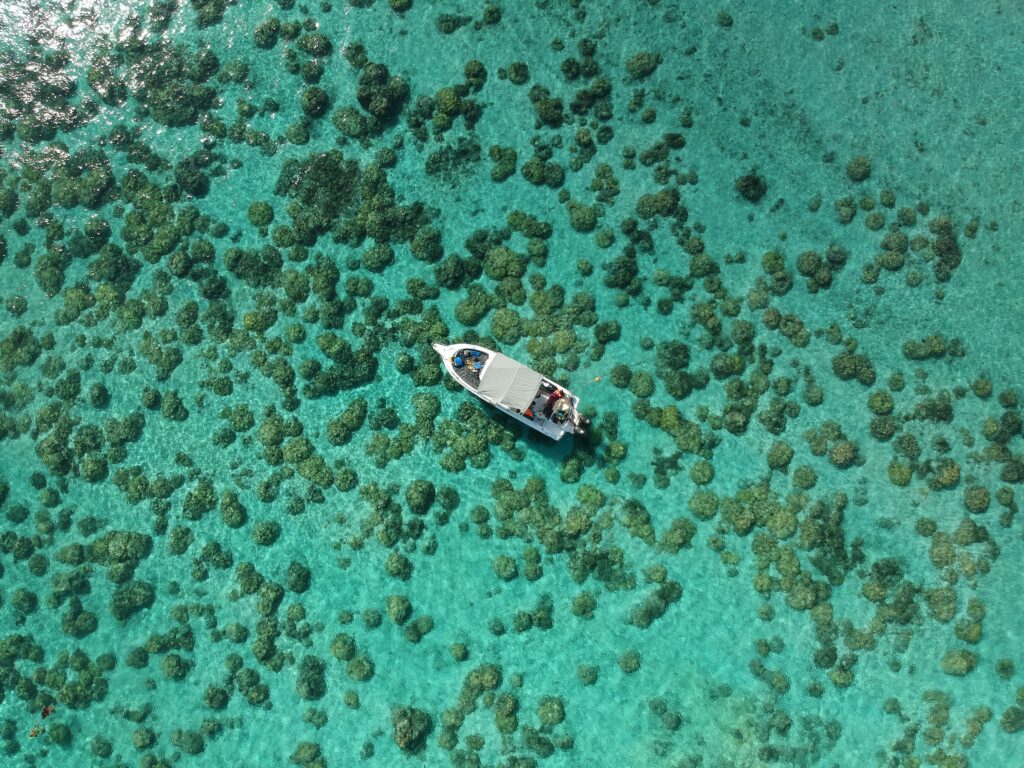
The Cartagena walled city (2 days): The Getsamaní neighbourhood evening (the outdoor music, the arepas de huevo, the specific Cartagena barrio culture visible at 8pm), the castle of San Felipe at 8am (before the cruise ship visit, the fortress visible in its full Cartagena Bay position), and the islands day trip (the Islas del Rosario — the boat from the Cartagena pier at 9am, the coral at 5 metres depth, the return at 5pm).
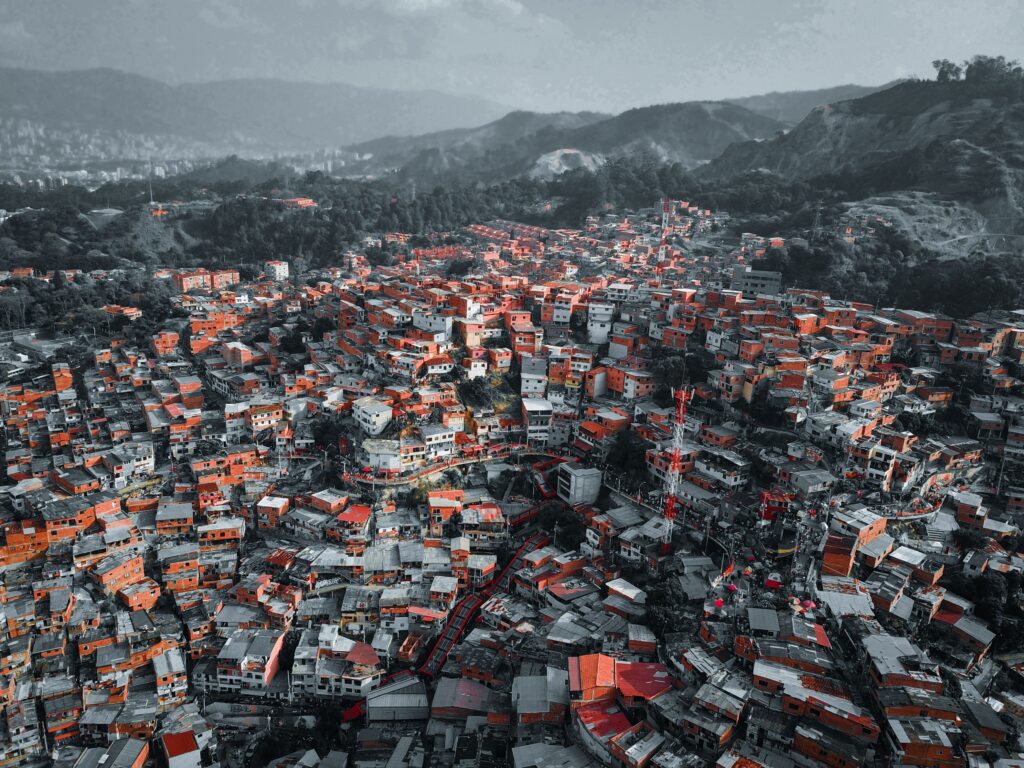
The Medellín transformation (2 days): The cable car and the comunas, the Pablo Escobar tour (with the Colombia Walks ethical tour operator), and the Parque Arví (the cable car extension to the ecological park above the city, the specific Medellín aerial perspective above the transformation).
The Coffee Region (1 day): The Finca El Ocaso (the coffee cherry picking), the Wax Palms of Cocora Valley.
What It Costs
| Category | Budget | Mid-Range |
|---|---|---|
| Return flights (UK-Lima, Colombia-UK) | £550-950 | £750-1,300 |
| Machu Picchu entry + train | £90-130 | £90-130 |
| Peru-Bolivia-Colombia internal flights | £120-250 | £180-380 |
| Uyuni 3-day tour | £47-118 | £100-200 |
| 14 nights accommodation | £140-420 | £420-1,050 |
| Food (14 days) | £50-130 | £130-320 |
| Total | £997-1,998 | £1,670-3,380 |