
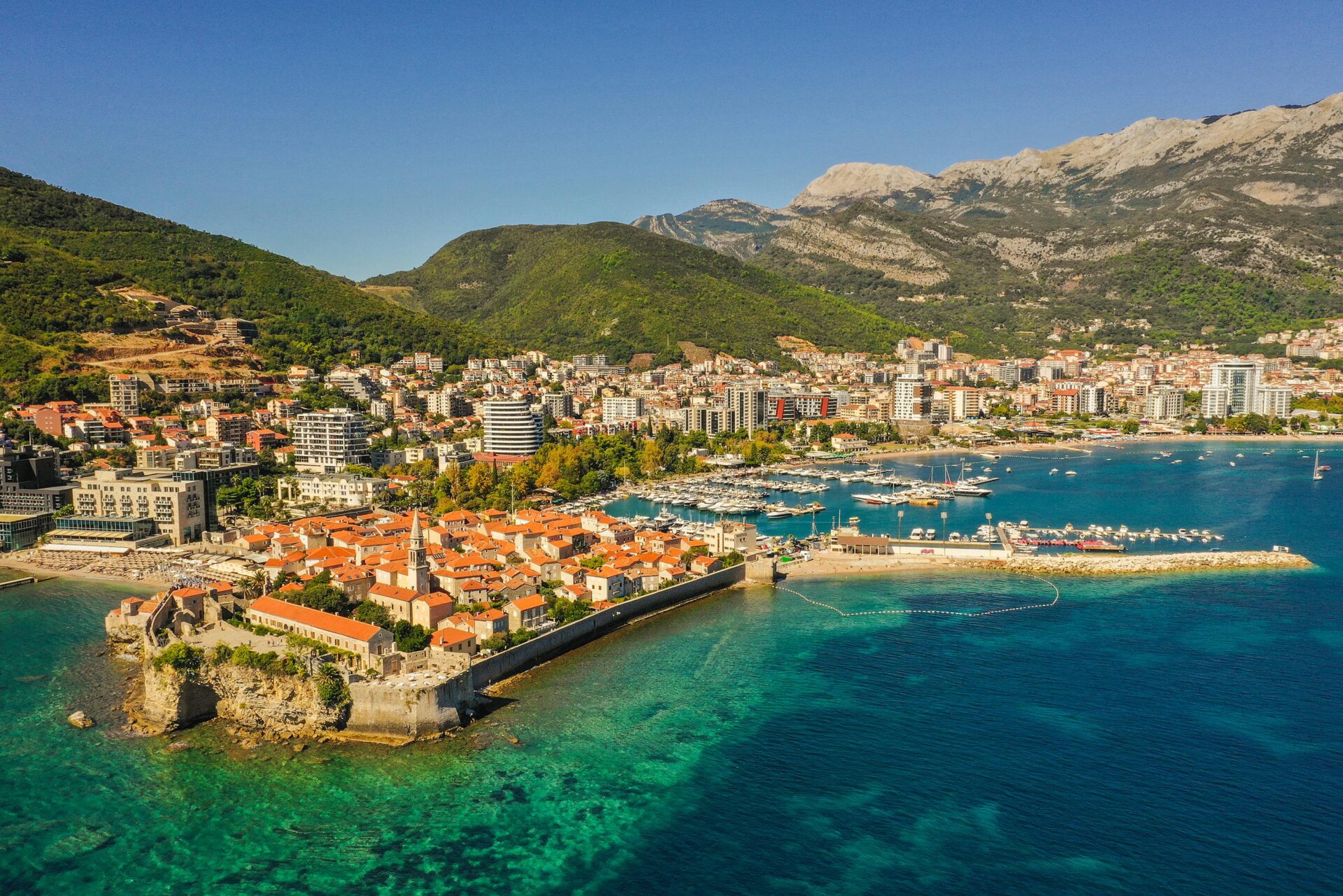
The complete guide for UK travellers: the Bay of Kotor that rivals any fjord in Europe, Sarajevo and the history carried lightly, the market in Skopje that predates the city above it, the most dramatic canyon in Europe, a lake older than any species living in it, Mostar’s bridge and the story behind its destruction and rebuilding, and why three countries in ten days is the finest value European circuit available.
Reading time: 16 minutes | Last updated: 2026
Three countries. Ten days. Three different scripts, three different religions, three different culinary traditions, three different histories of the same region in the same century.
The Western Balkans — the countries that were Yugoslavia until 1991 — are the most historically complex and the most geographically extraordinary part of Europe that most UK travellers have not properly visited. They are also, collectively, among the best-value destinations on the continent: the combination of Montenegro’s Adriatic coast, Bosnia’s mountain interior, and North Macedonia’s ancient lakeside capital can be covered for a daily budget (excluding flights) that makes coastal Croatia look expensive by comparison.
This guide covers the three countries as a circuit — the natural route that flows from the Montenegro coast inland through Bosnia to North Macedonia, or in reverse, without backtracking. All three countries are accessible in combination with Albania (Albania-Montenegro-Bosnia is a particularly logical arc) or with Serbia and Croatia.
Quick Navigation
- The Case for the Balkans Triple
- When to Go
- Getting There
- MONTENEGRO — The Bay of Kotor
- Kotor — The Walled City
- The Bay of Kotor — Beyond the Town
- Durmitor National Park — The Canyon
- BOSNIA & HERZEGOVINA — The Country That Carries Its History
- Sarajevo — The City of Four Religions
- Mostar — The Bridge and What It Means
- The Kravice Waterfalls and the Neretva Valley
- NORTH MACEDONIA — The Ancient Lake
- Lake Ohrid — The Oldest Lake in Europe
- Skopje — The Capital and the Old Bazaar
- What It Costs — The Full Comparison
- Eating Across Three Countries
- Practical Notes
- The 10-Day Balkans Circuit
The Case for the Balkans Triple
The argument is not primarily about value, although the value is remarkable. The argument is about density — the specific density of historical experience per kilometre that the Western Balkans delivers, and the fact that three distinct civilisational legacies (Venetian coastal, Ottoman inland, and the specific layer of socialist Yugoslavia that lay across both of them until 1991) are visible simultaneously in the landscape, the architecture, and the food.
Kotor is a Venetian walled city on an Adriatic bay. Forty minutes inland from Kotor begins the Montenegrin highland interior. Six hours from Kotor is Sarajevo, where the Ottoman bazaar (the Baščaršija) and the Austro-Hungarian Habsburg boulevard (the Ferhadija) face each other across a river, and where the 1914 assassination of Franz Ferdinand set off World War One, and where the 1990s siege — 1,425 days, the longest siege of a capital city in the history of modern warfare — left bullet holes still visible in the buildings.
This is the compression of European history in a single circuit. Three countries, three flags, three languages (closely related Slavic languages in Montenegro and Bosnia, an entirely different Slavic language in North Macedonia), three scripts (Latin in Montenegro and Bosnia; Cyrillic in North Macedonia alongside Latin), and a shared recent history of dissolution, war, and reconstruction that most Western Europeans understand in general terms and almost none have stood inside.
When to Go
May to June and September to October — Best Overall
The optimal window for the full circuit. Montenegro’s coast is warm and swimmable without the peak July-August crowds. Bosnia’s mountain interior is accessible. North Macedonia’s Lake Ohrid is perfect for swimming in June and September. The Durmitor canyon in Montenegro is best accessed June-September.
July to August — Peak Season
The Montenegro coast (particularly the Bay of Kotor and the Budva Riviera) is at maximum capacity in July-August — accommodation prices double, parking in Kotor town becomes a significant logistical challenge, and the famous Montenegrin beaches are at European resort density. The inland areas (Durmitor, Bosnia, North Macedonia) are significantly less affected.
November to April — Off-Season
Durmitor becomes a ski resort (one of the most affordable in Europe — day passes from £15). Kotor’s old town without the cruise ships and summer tourists is a different and in many ways more atmospheric experience. Sarajevo in winter is serious — snow in the mountains, the specific atmosphere of a city with this particular history in the grey months.
The BGGD recommendation: June or September. Both give the coast without the crush and all three countries in excellent condition.
Getting There
Into Montenegro:
Tivat Airport (TIV) serves the Bay of Kotor directly — British Airways flies Heathrow to Tivat in summer, and easyJet serves it from several UK airports. Podgorica (TGD), the capital, has more year-round scheduled service. Return flights: £80-160 depending on season and airport.
Into Sarajevo:
Sarajevo International Airport (SJJ) is served by Wizz Air from London Luton, Ryanair seasonally, and Austrian Airlines via Vienna. Return flights: £80-180.
Into North Macedonia:
Skopje International Airport (SKP) is served by Wizz Air from Luton and easyJet from various UK airports. Return flights: £60-130.
The open-jaw strategy:
Fly into Montenegro (Tivat), circuit through Bosnia, exit from North Macedonia (Skopje). Or the reverse. Open-jaw tickets are typically the same price as returns and eliminate all backtracking.
Getting between the three countries:
Bus is the primary intercity transport. Flixbus and regional operators connect:
- Kotor → Sarajevo: 5-6 hours, £12-18
- Sarajevo → Mostar: 2.5 hours, £5-8
- Mostar → Skopje: 7-8 hours (overnight option available), £15-22
- Alternatively: Sarajevo → Skopje via Belgrade or direct: 6-7 hours, £14-20
MONTENEGRO — The Bay of Kotor
Montenegro is the smallest country in this triple circuit and the one with the most concentrated natural drama. The name means “Black Mountain” — the Dinaric Alps forming the dramatic backdrop to a coast that is among the finest in the Mediterranean.
The Bay of Kotor:
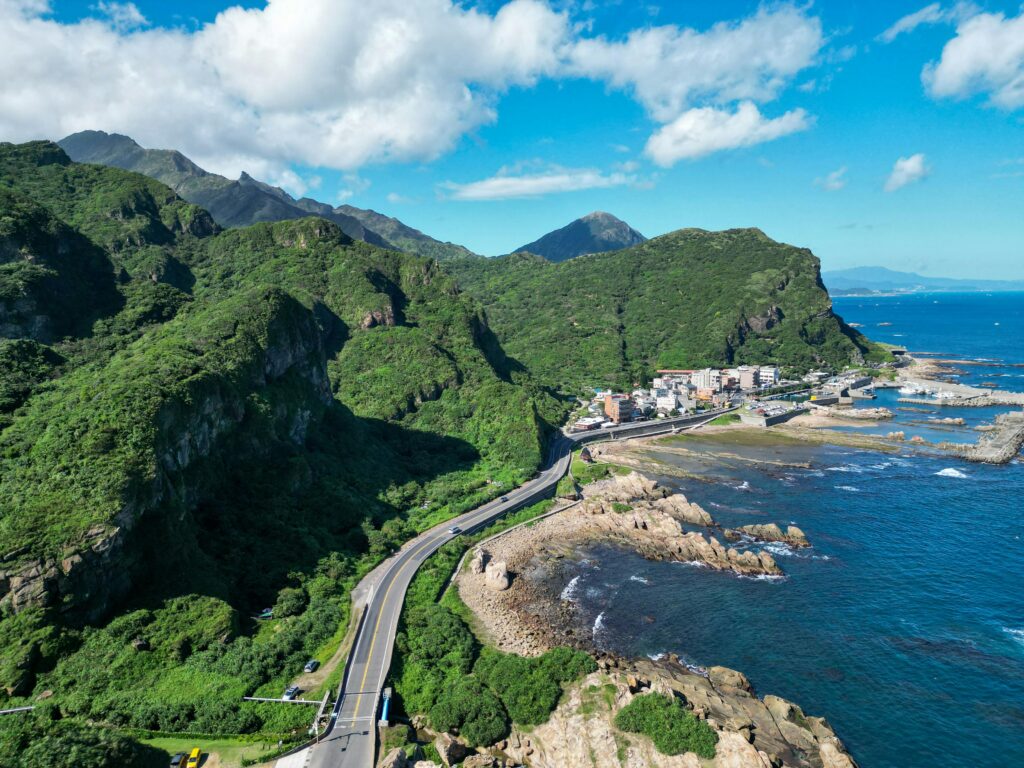
A flooded river canyon rather than a true fjord (the geological distinction is technical; the visual effect is similar) — an enclosed bay 28km long, its narrowest passage just 300 metres wide at the Verige Strait, surrounded by mountains that rise to 1,700m directly from the water. The towns on the bay — Kotor, Perast, Risan, Herceg Novi — were all Venetian for centuries, their architecture reflecting 400 years of the Most Serene Republic.
Kotor — The Walled City
Kotor is a UNESCO World Heritage Site — a Venetian walled city at the innermost point of the bay. The walls (4.5km, 15th-17th century) climb the mountain above the town from the waterfront; the town inside the walls contains squares, churches, palaces, and the density of a medieval city that has been continuously inhabited for 2,000 years.
The City Walls Climb:
The ascent from the town to the Fortress of St. John above takes 30-45 minutes on the stepped path within the walls. 1,350 steps. The view from the fortress (280m above the bay): the full bay visible, the enclosed water, the mountains on both sides, the Adriatic visible through the bay entrance in clear conditions.
Entry to the walls and fortress: £6. Go at dawn or in the last two hours before sunset. The midday summer version — cruise ship passengers filling the stair — is a different experience.
The Church of St. Tryphon:
A 12th-century Romanesque cathedral inside the old city, with a treasury containing one of the finest collections of Byzantine and medieval jewellery and reliquaries in the Adriatic. Entry: £4. The cathedral has been partially damaged and rebuilt multiple times (the 1979 earthquake caused significant structural damage — the asymmetric appearance of the facade reflects the repair).
The Cat Squares:
Kotor has the highest density of cats per square metre of any city in the Adriatic — a centuries-old relationship between the city and its feline population (traditionally maintained because the stone buildings and the narrow lanes created an ideal habitat). The specific squares where the cats congregate in the morning are documented and, in the Instagram era, have become a semi-serious local attraction. The cats don’t mind.
Cruise ship timing:
Kotor receives cruise ships almost daily in peak season — up to four simultaneously in July and August, adding 8,000-10,000 day visitors to the old city. The old town empties significantly by 6pm when the ships depart. The evening in Kotor, after the ships, is the correct Kotor.
The Bay of Kotor — Beyond the Town
Perast:
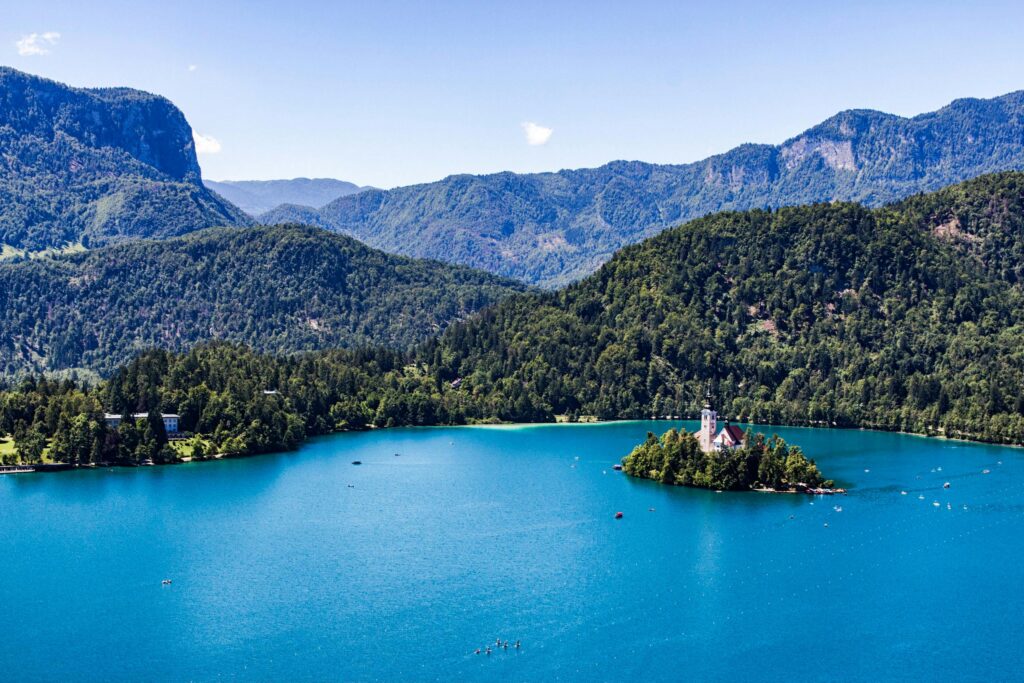
A small town on the inner bay — 17 baroque palaces on a single street, two islands visible from the waterfront (Our Lady of the Rocks — an artificial island built from 1452 by ships depositing rocks on the site of a natural reef after a miraculous image was found there; and St. George Island, natural, with a Benedictine monastery). The boat to Our Lady of the Rocks: £2, runs from the Perast waterfront. The church interior: votive paintings from sailors who survived disasters, dating from the 16th century. Perast itself, without the Kotor cruise ship volume, is the more atmospheric town on the bay.
The Verige Strait:
The narrowest section of the bay — the channel where the Byzantine chain and the Ottoman fortress guarded the passage. The road crosses the strait by bridge; the local ferry (a car ferry for the 5-minute crossing) is the more atmospheric option. The view of the mountains above the water at the narrowest point: the finest single landscape moment on the bay.
Risan:
On the northwestern shore — the oldest town in Montenegro (Illyrian settlement from the 3rd century BC), with Roman floor mosaics still in situ under a shelter in the town’s residential area. The mosaics are from a 3rd-century CE Roman villa and include a remarkable depiction of Hypnos (the god of sleep), visible from the cover shelter. Entry: £2. Almost no visitors.
Durmitor National Park — The Canyon
Durmitor National Park is in the northern interior of Montenegro — the Dinaric Alps at their most dramatic, with the Tara River Canyon as its centrepiece: the deepest canyon in Europe at 1,300m, the second-deepest in the world after the Grand Canyon.
The Tara River Canyon:
Accessible from the town of Žabljak (the highest town in the Balkans, 1,456m). The canyon view from the Đurđevića Tara Bridge (a 1940 concrete arch bridge, 172m above the river, the highest concrete arch bridge in the world at the time of its construction): the river 172m below, turquoise from the limestone, the canyon walls rising to the plateau above.
White water rafting on the Tara: £25-45 for a half-day through the canyon sections. The rafting operates May-October.
The Black Lake (Crno Jezero):
A glacial lake at 1,416m below the Medjed peak — the centrepiece of the Durmitor national park, accessible by a 3.5km walk from Žabljak. The lake in June (when the snowmelt feeds it): the most vivid colour available in Montenegro.
Getting to Durmitor:
4-5 hours from Kotor by car (the most direct mountain route) or bus from Podgorica (2.5 hours). Car is strongly recommended — the park’s multiple lakes and canyon viewpoints require flexibility. Roads in the park range from good (the main Žabljak road) to rough (the canyon rim tracks).
BOSNIA & HERZEGOVINA — The Country That Carries Its History
Bosnia & Herzegovina is the most historically complex country in the Western Balkans — a state with three constituent peoples (Bosniaks, Serbs, Croats), two political entities (the Federation and the Republika Srpska), one international administrator (the High Representative, still in post), and a 1990s war that killed approximately 100,000 people and is still within the memory of everyone over the age of 30 in the country.
It is also, outside Sarajevo and Mostar, almost entirely undiscovered by international tourism — vast swathes of mountain landscape, medieval fortresses, Ottoman market towns, and Franciscan monasteries that receive a fraction of the visitors they would receive in any comparable Western European country.
The honest note: Bosnia’s history is not background to visiting. It is present, visible, and requires engagement. The cemeteries in Sarajevo (the white headstones dated 1992-1995 on every hillside), the Srebrenica memorial (in the eastern part of the country), the rebuilt Mostar bridge — these are not optional additions to an itinerary that might otherwise focus on the landscape. Understanding why the bridge was destroyed and rebuilt is understanding what Bosnia is.
Sarajevo — The City of Four Religions
Sarajevo is the only European capital city where you can stand at a single intersection and see a mosque, a Catholic cathedral, an Orthodox church, and a synagogue within 200 metres — a physical expression of the religious coexistence that characterised the city through the Ottoman and Austro-Hungarian periods and that the 1990s war specifically targeted.
The Baščaršija:
The Ottoman old bazaar — established in the 15th century as the commercial heart of Ottoman Sarajevo, a grid of covered lanes organised by trade (copper-workers, leatherworkers, silversmiths) that has been operating continuously since 1462. The Sebilj fountain (the 19th-century wooden kiosk fountain in the central square, surrounded by pigeons, the photographic symbol of Sarajevo) and the Gazi Husrev-beg Mosque (the most significant Ottoman mosque in the Balkans, 1531, the founder’s tomb adjacent, open to non-Muslim visitors outside prayer times) are the centrepieces.
The Baščaršija copper market: the çaršija crafts tradition is still active — coppersmiths hammering designs into trays and coffee sets in the same workshops their predecessors occupied. A small copper coffee set (džezva): £8-15, depending on size and quality.
The Latin Bridge:
The site of the assassination of Archduke Franz Ferdinand on 28 June 1914 — the event that triggered the chain of alliance obligations producing World War One. The assassin Gavrilo Princip stood on the corner of the Latin Bridge when Franz Ferdinand’s car made an unexpected stop on the Appel Quay; the moment is marked by a plaque. The bridge itself (the original Ottoman structure, rebuilt, now a pedestrian crossing) connects the Baščaršija to the 19th-century Habsburg quarter.
The War Tunnel Museum:
On the western outskirts of Sarajevo — the tunnel (800m, dug in 1993 under the airport runway that separated besieged Sarajevo from Bosnian government territory) through which food, weapons, and people moved throughout the 1,425-day siege. The museum covers the siege in detail; 30 metres of the tunnel are preserved and walkable. Entry: £5. Taxi from the city centre: £6-8 each way.
The Yellow Fortress (Žuta Tabija) and the Sarajevo View:
A short uphill walk from the Baščaršija — the finest single panorama over Sarajevo, the city spread in the valley below with the minarets and the Austrian architecture visible simultaneously. The correct time: late afternoon, when the light comes from the west across the minarets.
Mostar — The Bridge and What It Means
Mostar is a city in the Neretva valley, 130km south of Sarajevo — famous internationally for the Stari Most (Old Bridge), a 16th-century Ottoman arch bridge that was destroyed by Croat forces on 9 November 1993 and rebuilt in 2004 using the original stones recovered from the river and new stone from the same quarry.
The bridge is 29 metres high above the Neretva, 29 metres wide, built in 1566. Its destruction in 1993 — a deliberate act targeting a structure that was not militarily significant but was symbolically the defining feature of the city — was understood internationally as an attack on the coexistence the bridge represented. The reconstruction, funded by international donors using the original Ottoman construction methods, was as deliberately symbolic.
Standing on the bridge:
The view from the centre of the Stari Most: the Neretva below (emerald in summer, turquoise in early spring from the snowmelt), the Ottoman towers (the Helebija and Tara towers) on each bank, the Kujundžiluk bazaar street approaching from the east. The specific quality of the bridge — the single white limestone arch, the steep camber of the crossing that requires lifting the feet higher than a flat bridge — is unlike any other Ottoman bridge in the Balkans.
The Stari Most Diving:
A tradition: the divers of the Mostar Diving Club jump from the bridge for training and, in summer, as a demonstration. A dive from the bridge is a 21-metre fall into water that reaches 7°C in some seasons. The divers accept donations (£3-5 is appropriate) and dive when sufficient donations have been collected. Watch from the banks or pay to watch from the bridge itself.
The War Photography Exhibition:
On the western bank, within the old city — a permanent exhibition of war photography from the 1992-1995 conflict in Mostar, covering the siege of the city and the specific events around the bridge’s destruction. Entry: free. The exhibition is adjacent to the most tourist-facing part of the old town; most visitors walk past it. Don’t.
The Kravice Waterfalls and the Neretva Valley
40km south of Mostar on the Trebižat River — the Kravice waterfalls, a series of tufa waterfalls (the same calcium carbonate formation as Croatia’s Plitvice) forming a 25-metre horseshoe cascade into a deep green pool.
Entry: £4. Swimming in the pool below the falls is permitted (and significant on a 35°C Herzegovinian summer day). Day trips from Mostar: £10-15 by shared taxi or organised tour. Alternatively, rent a car in Mostar (£20-25/day) and combine with the Trebinje wine region to the south and the Dervish monastery at Blagaj (the Tekija, a 16th-century dervish monastery built at the base of a 200m cliff where the Buna river emerges directly from the rock — one of the most dramatically sited buildings in Bosnia).
NORTH MACEDONIA — The Ancient Lake
North Macedonia became an independent republic in 1991 following the dissolution of Yugoslavia and was admitted to NATO in 2020 under the compromise name North Macedonia (after a 30-year dispute with Greece over the use of the name “Macedonia”). The country of 2 million people contains: Skopje (a capital city comprehensively rebuilt after a 1963 earthquake and then again comprehensively rebuilt again with an ambitious public architecture programme in the 2010s that is a specific experience), Lake Ohrid (one of the oldest and deepest lakes in Europe, a UNESCO World Heritage Site), and the most intact Ottoman bazaar in the Balkans outside Istanbul.
Lake Ohrid — The Oldest Lake in Europe
Lake Ohrid is approximately 3-5 million years old — old enough to have evolved its own endemic species that exist nowhere else (212 endemic species, including the Ohrid trout, Ohrid eel, and dozens of endemic invertebrates). It is one of the oldest lakes in the world still supporting its original ecosystem.
The town of Ohrid on the lake’s northeastern shore — a UNESCO World Heritage Site for both its natural and cultural values — is the most complete example of a medieval Macedonian city in the country. The castle above the lake (the Tsar Samuel’s Fortress, 10th century), the collection of Byzantine churches (including the Church of St. Sophia, 11th century, with the finest Byzantine fresco programme in North Macedonia), and the lake itself form a combination that is genuinely extraordinary.
The Church of St. John at Kaneo:
The image that most represents Ohrid internationally — a 13th-century Byzantine church on a promontory above the lake, its apse extending over the water. At dawn, with the lake below and the Albanian mountains visible across the water: one of the finest single views in the Balkans. Free access from the lakeside path (30-minute walk from the Ohrid old town).
Swimming in Lake Ohrid:
The lake water (21-24°C in summer) is among the clearest in Europe — the limestone basin and the great depth (286m maximum) give a visibility of 22 metres in clear conditions. Swimming from the rocks below the Church of St. John at Kaneo, with the church above and the Albanian mountains across the water: one of the finest swimming experiences in the Balkans.
The Ohrid Old Bazaar:
A 19th-century covered market adjacent to the Byzantine quarter — not the scale of the Skopje bazaar but more intact as a working market. The specific crafts of Ohrid: Ohridska bisera (Ohrid pearls — a cultured freshwater pearl industry using the scales of the endemic Ohrid bleak fish, producing iridescent pearl objects unique to the lake). A small Ohrid pearl necklace: £10-30 from the market jewellers.
Skopje — The Capital and the Old Bazaar
Skopje requires a specific mental adjustment. The city was largely destroyed by the 1963 earthquake (1,100 people killed, 80% of buildings destroyed). The reconstruction produced a modernist city of broad boulevards. Then, from 2010, the government’s “Skopje 2014” urban development project added: dozens of neoclassical statues and monuments (Alexander the Great, Mother Teresa — born in Skopje in 1910, now claimed by multiple countries — and dozens of Macedonian historical figures), several neoclassical public buildings in 19th-century European style, and a triumphal arch.
The resulting city centre is simultaneously kitsch and fascinating — a purpose-built classical city dropped on top of a 1960s modernist grid. Whether it succeeds as urban design or fails comically is entirely a matter of perspective; that it’s unlike anything else in Europe is not debatable.
The Old Bazaar (Čaršija):
Across the Stone Bridge from the new city — the Ottoman bazaar that predates the reconstruction, the earthquake, and the neoclassicism. The largest functioning Ottoman bazaar in the Balkans outside Istanbul, with approximately 1,000 shops in covered lanes organised by trade. The dyer’s quarter, the leatherworkers, the brasswork. The Painted Mosque (Šarena džamija, 1438), the Mustafa Pasha Mosque (1492), and the Daut Pasha baths (now the National Gallery of Macedonia) — all within the bazaar complex.
The bazaar is the genuine Skopje. It predates everything around it by five centuries.
What It Costs — The Full Comparison
The three countries in this triple circuit are broadly similar in cost — all significantly cheaper than Western Europe, slightly more expensive than Albania.
Daily Budgets (Each Country)
Montenegro (budget: £30-45/day)
- Accommodation: guesthouse (£15-25/night)
- Food: local restaurants (£8-14/day)
- Note: peak season Bay of Kotor can push mid-range to £50-70/day
Bosnia & Herzegovina (budget: £25-38/day)
- Accommodation: guesthouse or hostel (£12-20/night)
- Food: local restaurants, burek from the bakeries (£6-10/day)
- Bosnia is the cheapest of the three for accommodation and food
North Macedonia (budget: £25-38/day)
- Accommodation: guesthouse in Ohrid (£15-22/night)
- Food: local restaurants (£6-10/day)
What 10 Days Costs Across All Three
| Category | Budget | Mid-Range |
|---|---|---|
| Return flights (open-jaw: UK→Tivat, Skopje→UK) | £100–200 | £140–260 |
| 10 nights accommodation | £145–230 | £270–420 |
| Food (10 days) | £80–125 | £140–200 |
| Buses between countries (3 legs) | £35–50 | £35–50 |
| Activities (Kotor walls, war tunnel, Butrint-adjacent sites) | £35–55 | £50–80 |
| Car hire (Montenegro only, 3 days) | £60–90 | £75–110 |
| Total | £455–750 | £710–1,120 |
Eating Across Three Countries
The Balkan kitchen across these three countries reflects the Ottoman inheritance differently in each:
Montenegro:
Njeguški Pršut — dry-cured smoked ham from the Njeguši village above the Bay of Kotor, one of the finest cured meats in the Balkans. The village is on the mountain road between Kotor and Cetinje; a plate of pršut with local cheese (from the same village) is the correct first meal on arrival. £3-5 for a full plate.
Lignje na žaru — grilled squid on the coast. The Adriatic squid grilled over olive wood, dressed with olive oil and lemon. Available at any coastal town, the freshness variable by distance from the sea.
Bosnia:
Ćevapi — small grilled minced meat rolls, served in a Bosnian flatbread (somun) with raw onion and kajmak (clotted cream). The Sarajevo version — smaller than the Serbian variant, served in groups of 10 — is the reference. At Ćevabdžinica Željo in the Baščaršija: the most debated finest ćevapi in Sarajevo, 8 BAM / £4 for a portion. Open since 1957.
Begova Čorba — “Bey’s soup,” an Ottoman-origin chicken soup with okra, carrots, and a sour cream finish. The most specifically Bosnian soup preparation, named for the Ottoman-era governor’s household where it was developed.
Burek — the Bosnian version of the filled pastry (closely related to the Albanian byrek). The Bosnian burek is meat-filled only, by the traditional Sarajevo definition; the cheese version is called sirnica, the spinach version zeljanica. From bakeries throughout Bosnia from 6am: £0.80-1.50 per portion.
North Macedonia:
Tavče Gravče — baked beans in a clay pot with onion, peppers, and dried paprika. The national dish — a preparation of extraordinary simplicity that requires the specific quality of the Macedonian dried beans (grown in the Veles and Tikveš regions) to achieve its characteristic richness. At any traditional restaurant: £2-4.
Pastrmajlija — a Macedonian flatbread topped with marinated pork pieces and egg, baked in a wood-fired oven. The bread takes on the fat of the pork and crisps at the edges; the egg is cooked in the centre. Available from traditional restaurants in Skopje and Ohrid.
Macedonian wine — the Tikveš wine region in central North Macedonia produces some of the finest wines in the Balkans — the indigenous Vranec grape (a red of great depth and tannin, similar to Primitivo) and Temjanika (aromatic white). The Tikveš winery is the largest producer; smaller wineries (Bovin, Popova Kula) produce more characterful wines. A bottle of Vranec at a Macedonian restaurant: £4-8.
Practical Notes
Visas: No visa required for UK passport holders in any of the three countries. Montenegro, Bosnia, and North Macedonia are all EU candidate countries but not EU members — border crossings are straightforward, passports stamped.
Currencies: Three different currencies in three countries.
- Montenegro: Euro (€) — the only non-EU country using the Euro unilaterally
- Bosnia: Convertible Mark (BAM), pegged to the Euro at 1.96 BAM = €1. £1 ≈ 2.75 BAM
- North Macedonia: Macedonian Denar (MKD). £1 ≈ 70 MKD ATMs in all cities. Cash useful in smaller towns; cards increasingly accepted in restaurants and hotels.
Language: Serbian/Croatian/Bosnian in Montenegro and Bosnia (mutually intelligible, one language in practical terms, three political names). Macedonian in North Macedonia (a separate South Slavic language, intelligible to Serbian speakers with effort). English is spoken by younger generations in all tourist areas.
Getting between the countries: Bus is the primary option. Book at the bus station on the day or the day before for most routes. Flixbus now covers several Balkan routes and allows advance online booking.
The 10-Day Balkans Circuit
Day 1: Arrive Tivat/Kotor (Montenegro) Land at Tivat. Transfer to Kotor old city (20 minutes). Check in. The old city in the evening.
Day 2: Kotor Walls and Bay Castle walls at 7am (before cruise ships). Afternoon: boat to Perast and Our Lady of the Rocks. Evening: Kotor’s old city after the ships depart.
Day 3: Durmitor Hire car from Kotor (or book a transfer). Drive to Žabljak (4 hours). The Tara Canyon bridge at sunset. Overnight Žabljak.
Day 4: Durmitor → Sarajevo Morning: Black Lake walk. Drive/bus to Sarajevo (4-5 hours via Foča). Arrive afternoon. Baščaršija evening.
Day 5: Sarajevo War Tunnel Museum morning (taxi, 30 minutes). Latin Bridge. Baščaršija and the four faiths. Yellow Fortress at sunset.
Day 6: Sarajevo → Mostar Bus to Mostar (2.5 hours). Old Bridge. War Photography Exhibition. Stari Most dive watching (evening, when the light is best on the bridge).
Day 7: Mostar → Kravice → Skopje Morning: Blagaj Tekija (30 minutes from Mostar by taxi). Kravice waterfalls (45 minutes). Overnight bus or afternoon bus to Skopje (7-8 hours). Or: split the journey with a night in Ohrid first.
Day 8: Ohrid Arrive Ohrid (from Skopje by bus, 3 hours, or direct from Bosnia). Church of St. John at Kaneo at dawn. Swimming. Old town walk.
Day 9: Ohrid → Skopje Bus to Skopje (3 hours). The Old Bazaar afternoon. Skopje neoclassical architecture evening.
Day 10: Skopje — Departure Final morning in the bazaar. Departure from Skopje airport.
Final Thought
I was at the Stari Most in Mostar at 6am. Nobody else. The river below was still dark, the bridge catching the first light from the east, the pale limestone glowing briefly before the sun cleared the mountains and made everything ordinary.
The bridge was destroyed on 9 November 1993. The one I was standing on was completed in 2004 using the original stones from the river and the original Ottoman construction technique. It is the original bridge. It is not the original bridge.
There is no resolution to this. The bridge holds both truths simultaneously. The city does the same — the minarets and the church steeples, the bullet holes in the facades and the outdoor cafes in front of them, the history that is 30 years ago and yesterday at the same time.
The Balkans carry their history with a directness that comfortable countries don’t. Not as a burden — as a fact. The bridge fell. They rebuilt it. They are still rebuilding it, in every sense.
That is what makes the circuit extraordinary. Not the scenery, which is also extraordinary. The weight of recent history, carried openly, in a landscape of exceptional beauty.
Go, and pay attention.
Question about the Balkans this guide doesn’t cover? Drop it in the comments.