
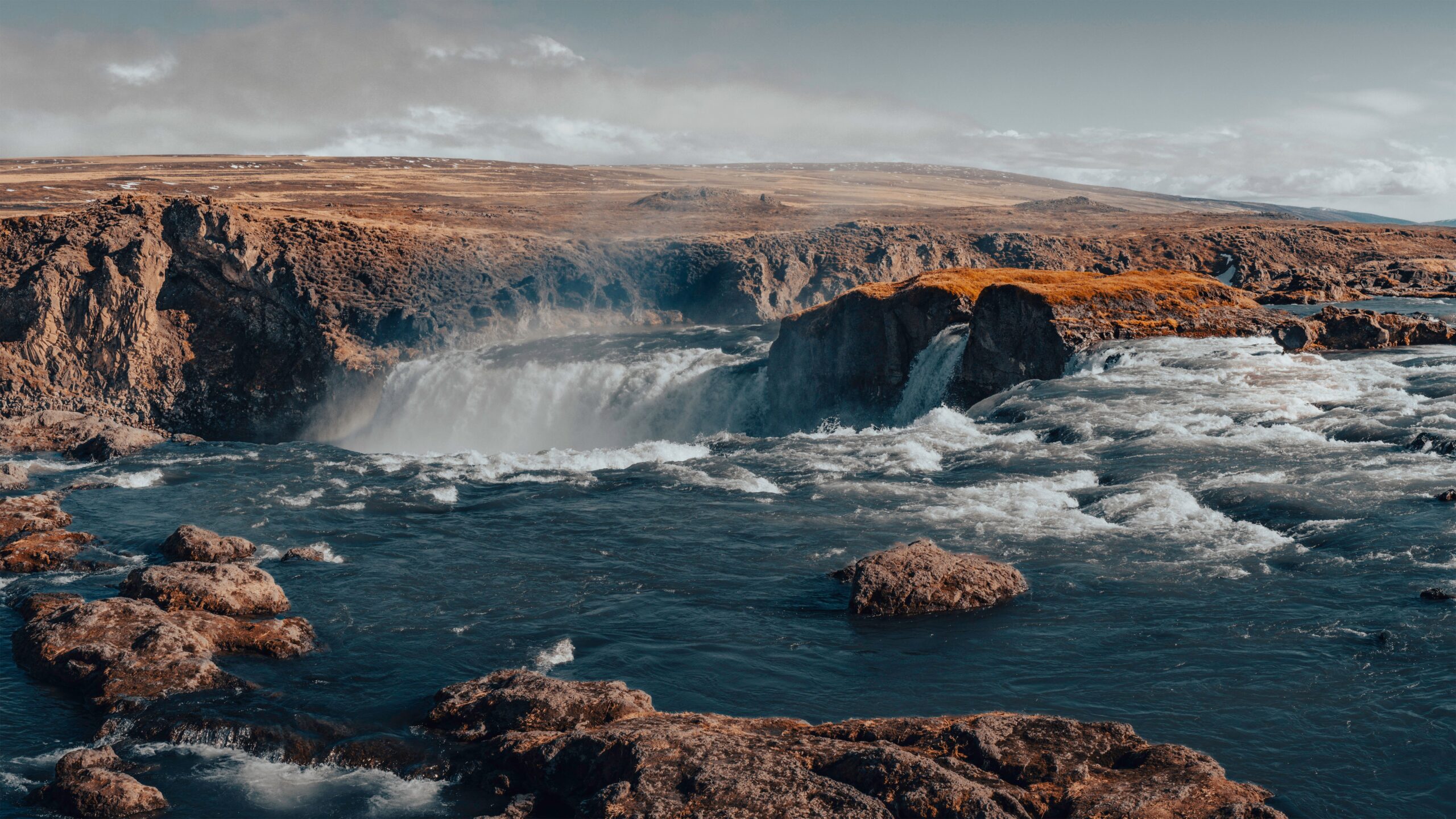
The honest Iceland with kids assessment: Iceland is genuinely family-friendly in ways that no amount of Instagram preparation can fully convey until you are standing at the Jökulsárlón glacier lagoon and your 8-year-old is watching a blue-tinged iceberg the size of a house float past in the current and asking how long it has been ice and you say approximately 1,000 years and they go quiet for 30 seconds and that silence is the specific Iceland moment that justifies the price of the flight. The geothermal pool at Reykjavík at 7am. The puffins at Látrabjarg at 6pm when the birds are returning from the ocean. And the midnight sun that the child cannot sleep through and doesn’t want to.
Reading time: 9 minutes | Last updated: 2026
Iceland is the easiest adventure destination in the world — the roads are paved throughout the Ring Road circuit, the visitor infrastructure is mature, the English is spoken everywhere, and the specific wildlife (the puffins, the Arctic foxes, the orca in the Snæfellsnes waters, the reindeer in the east) is visible from the road in a way that no East African or South American wildlife destination can replicate. The geothermal landscape (the geysers, the hot springs, the volcanoes) is the most dramatic accessible geology on earth. And the midnight sun in June-July produces the most disorienting and most beautiful sleep-schedule disruption available in the Northern Hemisphere.
When to Go
June-July (Midnight Sun): The optimal family Iceland window. The midnight sun — the sun visible above the horizon at midnight, the sky never fully dark — is the specific Iceland natural phenomenon that children respond to most viscerally. The road conditions are optimal. The puffins are at the Látrabjarg cliffs from May to August (the puffin chicks visible in July). The Jökulsárlón lagoon has the maximum iceberg count as the summer melt accelerates.
August: The midnight sun begins to shorten but is still present in the early part of the month. The lambing and the highland road access both good.
February-March (Northern Lights): The other family window — the Northern Lights visible on clear nights from September-March, the specific aurora experience that is the winter Iceland family reason. The roads require attention in winter conditions.
The Family Circuit
Reykjavík with Kids (All Ages)
The Sundhöllin Pool (Ages 3+):
The full guide in Reykjavík in 48 Hours. The 7am instruction for families: the pool before breakfast, the steam over the outdoor hot pot visible from inside the changing room, the specific Icelandic morning that the children will describe to their friends.
The Reykjavík Zoo and Family Park (Ages 3-10):
The Húsdýragarðurinn (the Reykjavík Zoo at Kjalvegur — the Icelandic farm animal zoo, the reindeer, the seals, the Arctic foxes, the horses, the cattle from the Viking-age breeds): entry ISK 1,800 / £9.73 per adult, ISK 1,000 / £5.41 per child, under 5 free. The most child-friendly single attraction in Reykjavík.
The Whales of Iceland (Ages 6+):
The Whales of Iceland exhibition (Fiskislóð 23-25 — the life-size whale models, the 23 whale species found in Icelandic waters displayed at full scale, the blue whale model at 24 metres the most immediately comprehensible representation of the animal’s size available anywhere): entry ISK 2,900 / £15.68 adult, ISK 1,500 / £8.11 child.
The Golden Circle (All Ages)
The Golden Circle day trip from Reykjavík: the guide in Reykjavík in 48 Hours.
The specific family Golden Circle additions:
At Geysir: the Strokkur eruption (every 4-8 minutes, the wait for a child is approximately 10 times more tolerable than the wait for an adult — the patience required is measured in metres from the geyser rather than in minutes). The specific child instruction: stand slightly back from the front row (the eruption directs steam horizontally at the moment of eruption — the front row participants are regularly soaked by the steam plume).
At Þingvellir: the Silfra fissure snorkelling (the gap between the North American and Eurasian tectonic plates, the fresh glacial meltwater filtered through the lava at 2-3°C, the visibility 100 metres, the specific experience of swimming between continents): minimum age 10, the dry suit fitting required, the water temperature requiring the full dry suit at all times. USD 100-150 / £78.74-118.11 per person for the guided snorkel. Book at divenis.is.
The South Coast (Ages 4+)
The south coast driving circuit (the Ring Road east from Reykjavík): the guide in Iceland — The BGGD Guide.
The specific family south coast moments:
Seljalandsfoss:
The waterfall that you can walk behind (the path behind the falls — the path slippery, the waterfall’s spray soaking the path completely, the child who wants to do it again immediately after the first pass): entry free, the wet clothes mandatory.
The Puffin Colonies:
The Dyrhólaey and the Ingólfshöfði (the two most accessible puffin colonies on the south coast — the Dyrhólaey accessible by the road to the lighthouse, the puffins nesting in the cliff burrows visible from the lighthouse path in July): free access to the viewpoint. The puffin (the Fratercula arctica — the bird with the clown face, the 40cm wingspan, the ability to carry 10+ small fish in its beak simultaneously) returns from the ocean to the nesting burrow in the late afternoon (3pm-8pm is the optimal viewing time as the birds return with the day’s catch).
The Jökulsárlón Glacier Lagoon:
The Jökulsárlón (the glacier lagoon at the terminus of the Breiðamerkurjökull glacier — the icebergs that calve from the glacier and float across the lagoon to the ocean): the amphibian boat tour (the boat that drives directly from the shore into the lagoon and navigates between the icebergs): ISK 6,900 / £37.30 adult, ISK 3,500 / £18.92 child 7-12. Book at icelagoon.is.
The Diamond Beach (the black sand beach on the ocean side of the lagoon bridge — the icebergs that the current carries from the lagoon to the ocean, deposited on the black sand, the ice transparent blue against the volcanic black): free access.
The specific child experience at Jökulsárlón:
The child who is told that the ice in the lagoon began forming approximately 1,000 years ago and that each iceberg took decades to reach this size and will melt within days or weeks of floating in the warmer ocean water is in the presence of a comprehensible geological timescale. The grandparent who sees the child go quiet for 30 seconds with this information is seeing the specific Iceland child moment.
The Snæfellsnes Peninsula (Ages 5+)
The Snæfellsnes Peninsula (the 90km peninsula west of Reykjavík — the Snæfellsjökull glacier visible from Reykjavík on clear days across the Faxaflói bay, the Jules Verne Journey to the Centre of the Earth beginning here, the orca visible offshore in June-July):
The Orca Watching (the whale watching from the Grundarfjörður harbour, the orca present in the waters around Grundarfjörður from December-May when the herring are schooling): ISK 9,900 / £53.51 adult, ISK 4,950 / £26.76 child. The orca watching is weather-dependent — verify the season before planning the trip around it.
The Arnarstapi and Hellnar coastal walk (the 2.5km coastal path between the two fishing villages — the basalt formations, the sea caves, the Arctic tern nesting sites, the specific Snæfellsnes coast quality): free, 1 hour.
The Age-by-Age Iceland Guide
Ages 3-6
What works: The geothermal pool (the universal family activity, the Reykjavík pools with the children’s warm pool at 28°C and the geothermal hot pot at 38°C — the temperature differential is appealing to all ages). The puffins (the bird with the clown face at arm’s length requires no explanation). The Jökulsárlón boat tour (the amphibian boat is stable and the icebergs are immediately comprehensible in scale). The waterfall walk-behind at Seljalandsfoss (universally loved, universally soaking).
What needs management: The geyser (the 10-minute waiting period between eruptions requires the parental management of the 4-year-old’s attention). The Ring Road driving days of 4+ hours.
Ages 7-12
What works: Everything in the 3-6 list plus: the Silfra snorkelling (minimum age 10 for the full snorkel), the Þingvellir lava tunnel tour (the lava tube accessible from Þingvellir — the underground tunnel at ambient temperature, the torch exploration appropriate for 7+), and the midnight sun (the 8-year-old who cannot sleep at midnight because the sun is still bright has had the specific Iceland experience).
Ages 12-16
The Laugavegur Trek section (Ages 13+):
The Laugavegur hiking trail (the 4-day trail from Landmannalaugar to Þórsmörk — the most celebrated multi-day hike in Iceland, the volcanic highlands, the rhyolite colour fields, the glacial rivers): the Day 1 section from Landmannalaugar to Hrafntinnusker (12km, 4-5 hours) accessible as a day hike from the Landmannalaugar bus service from Reykjavík.
What It Costs — Family of Four
| Category | Budget | Mid-Range |
|---|---|---|
| Return flights (UK-Reykjavík, 4 persons) | £800-1,400 | £1,200-2,000 |
| Car hire (7 days, 4WD in winter, standard in summer) | £300-500 | £450-700 |
| 7 nights accommodation | £560-980 | £980-1,960 |
| Food (7 days, self-catering 4 days) | £300-500 | £500-900 |
| Activities (Golden Circle tour, Jökulsárlón boat, pools) | £250-420 | £350-600 |
| Total (7 nights) | £2,210-3,800 | £3,480-6,160 |
Iceland is expensive in the same tier as Norway — the accommodation and the petrol are the primary costs. The self-catering model (the Reykjavík AirBnB with a kitchen for the first and last nights, the Golden Circle guesthouse, the south coast cabin with a kitchen for the rural nights) reduces the food cost significantly.