
The specific argument: the safari lodge at £500/person/night that delivers the walking safari with the private guide and the elephant herd at breakfast and the specific conversation with the anti-poaching team that gives the conservation context, versus the lodge at £500/night that delivers the same game drive as the camp at £150/night in a slightly more upholstered vehicle. The ranking below is built on the second criterion: where does the premium accommodation directly improve the wildlife experience rather than simply improving the thread count?
Reading time: 9 minutes | Last updated: 2026
The luxury safari market has expanded dramatically since 2015, and the price differentiation between mid-range and premium now covers everything from genuinely superior wildlife access (the private conservancy with exclusive game drives, the walking safari guide with 15 years of experience, the anti-poaching partnership that the lodge fee funds) to superior thread count and a better wine list. Both are legitimate luxury. Only the first is worth £500/night to someone who came for the wildlife.
The Ranking — Where the Premium Delivers
1. The Okavango Delta, Botswana — Private Concession Camps
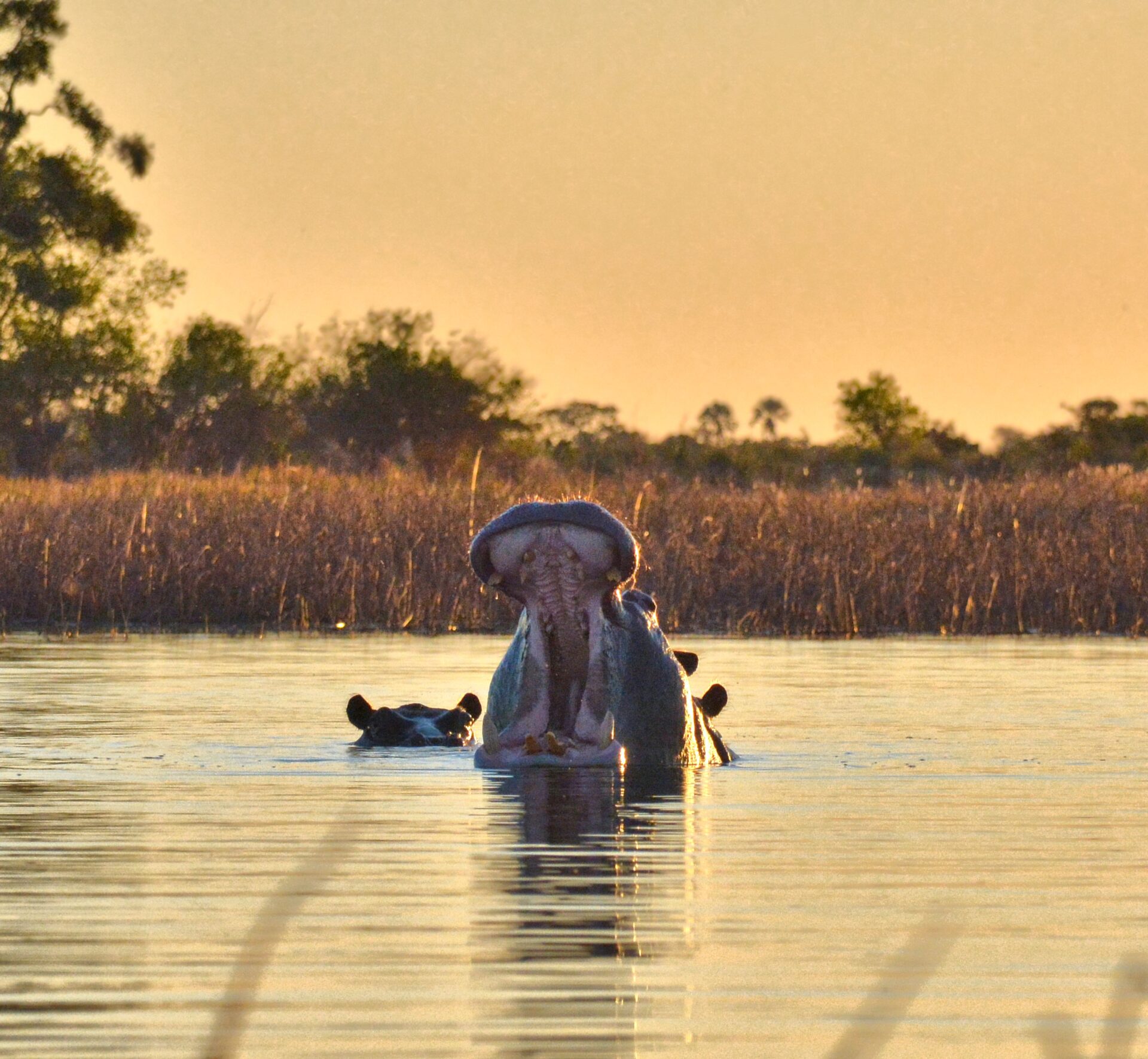
Why it’s first: The Botswana model — the low-volume, high-value tourism strategy enforced by the government since the 1990s — gives the highest wildlife density at the lowest visitor density of any luxury safari destination in Africa. The private concession camps (the camps that hold exclusive rights to their concession area, typically 10,000-200,000 hectares with a single camp of 4-8 tents) operate with game drive vehicles that never encounter another vehicle in the field. In the Masai Mara or the Serengeti, the lion sighting involves 8-15 vehicles. In the Okavango private concession: your vehicle and no others.
The specific camps:
Mombo Camp and Little Mombo (Wilderness Safaris): The Chief’s Island — the most wildlife-dense single area in the Okavango, the 5-star camp that is consistently cited as the finest wildlife camp in Africa by the specialist safari operators. USD 1,500-2,500 / £1,181-1,969 per person per night, all-inclusive. The premium: the exclusive access to the Chief’s Island concession (shared with one other camp), the walking safari, the mokoro (the traditional dugout canoe) through the flood plain channels.
Duba Plains Camp (Great Plains Conservation): The lions of Duba — the buffalo-hunting pride that has been documented by Beverly and Dereck Joubert in four National Geographic films, the camp positioned in their territory. USD 1,200-2,000 / £944.88-1,574.80 per person per night.
Why the premium is justified here: The Botswana government tourism levy is structured so that each visitor’s fee funds the anti-poaching operation and the community trust. The cost of the camp directly funds the conservation outcome.
2. The Laikipia Plateau, Kenya — The Walking Safari
Why it’s second: The Laikipia Plateau (the semi-arid highland plateau north of Mount Kenya, the private and community conservancies that collectively form the largest rhino sanctuary in East Africa) offers the one experience that the Masai Mara and the Serengeti circuits cannot: the walking safari with an armed ranger tracking the specific animal on foot.
The walking safari changes the scale of the wildlife encounter — the elephant at 10 metres on foot is a different animal from the elephant at 10 metres in a vehicle. The vehicle removes the animal’s awareness of the human; the walking approach requires the full field craft of the guide.
The specific camps:
Borana Lodge: The private 35,000-acre conservancy bordering the Lewa Wildlife Conservancy, the black and white rhino within the fence (the Borana-Lewa conservancy holds the largest black rhino population outside a national park), the walking safari at dawn. USD 700-1,100 / £551.18-866.14 per person per night, all-inclusive.
Ol Pejeta Bush Camp (Sanctuary Retreats): The Ol Pejeta Conservancy — the home of the last two northern white rhinos in the world (the female Najin and Fatu, guarded 24 hours by armed rangers), the black rhino sanctuary, and the widest cheetah population density in East Africa. The camp’s fee directly funds the conservation programme. USD 600-950 / £472.44-748.03 per person per night.
Why the premium is justified: The walking safari cannot be conducted in any national park in Kenya — it is only available in the private conservancies where the land management allows the specific safety assessment required for foot access. The Laikipia walking safari is the experience that the national park cannot provide regardless of budget.
3. The Serengeti — Private Conservancy vs the National Park
The specific Serengeti premium argument:
The Serengeti National Park is open to all visitors at the same park fee (USD 70 / £55.12 per person per day). The game drive quality depends on the guide and the vehicle, not the accommodation — the budget camp’s vehicle sees the same lions as the luxury camp’s vehicle.
The premium that is justified in the Serengeti: the private conservancy buffer zones (the Singita Lamai in the northern Serengeti, the Singita Grumeti on the western border) that give the exclusive game drive access and the balloon safari exclusive to the conservancy guests.
The unjustified Serengeti premium: The luxury lodge inside the national park boundary. The game drive from a £500/night lodge inside the park encounters the same vehicles as the game drive from the £150/night camp. The thread count is different. The lion is the same.
Singita Lamai (northern Serengeti): USD 1,800-2,800 / £1,417-2,204 per person per night. The northern Serengeti migration (the Mara River crossing in August-October, the Lamai region giving the crossing from the Kenya side and the crossing back from the Tanzania side in the same conservancy): the most concentrated single wildlife experience in the migration circuit.
4. Rwanda — The Gorilla Premium
Why it’s fourth: The Rwanda mountain gorilla trek (the Volcanoes National Park, the permit costing USD 1,500 / £1,181 per person) is the most expensive single wildlife encounter in Africa. The luxury camp adjacent to the park (the Singita Kwitonda Lodge, the One&Only Gorilla’s Nest, the Bisate Lodge) gives the earliest access to the trailhead and the best guide assignment — both factors that improve the gorilla encounter.
The gorilla encounter is a 1-hour maximum with the habituated group. The premium camp gives: the earliest departure (the guide assignment for the closest habituated group is given to the lodges that book through the park management — the lodge’s relationship with the Rwanda Development Board determines the guide quality), the best naturalist briefing, and the physical infrastructure (the altitude-appropriate food, the hot water bottle in the bed for the 2,750m cold night).
Bisate Lodge: USD 1,800-2,500 / £1,417-1,969 per person per night. The reforestation programme visible from the lodge — the degraded hillside being replanted with indigenous species, the gorillas’ habitat expanding year by year as the lodge’s environmental programme continues.
Why the premium is justified: The gorilla permit is the leveller — every visitor pays USD 1,500 regardless of where they stay. The premium lodge gives the guide quality and the trail access that the permit alone cannot guarantee.
5. Zambia — The South Luangwa Walking Safari
Why it’s fifth: South Luangwa is the birthplace of the modern walking safari — the Norman Carr tradition of tracking wildlife on foot, developed in the 1950s, continues at the camps that maintain the original ethos. The specific South Luangwa experience available only in the premium camps: the multi-day walking safari (the mobile camp moved nightly as the track progresses, the camp carried by the porters, the safari on foot for 3-5 days without a vehicle).
Time + Tide Chinzombo: USD 600-900 / £472.44-708.66 per person per night. The Norman Carr legacy visible in the walking programme, the Luangwa River visible from every camp unit, the hippo pool in the river bend below the main deck.
Robin Pope Safaris: The benchmark for the South Luangwa walking safari, the original guide lineage that traces to Norman Carr’s training, the multi-day trail available March-October. USD 500-800 / £393.70-629.92 per person per night.
Why the premium is justified: The multi-day walking safari cannot be replicated at the budget level. It requires the registered walking guide, the armed ranger, the camp infrastructure, and the specific guide-client ratio (maximum 6 walkers per guide) that the premium pricing supports.
The Non-Negotiable Booking Rules
Book direct or through a specialist:
The safari comparison websites (the Booking.com equivalents for African lodges) do not give the conservation performance information, the specific guide quality, or the current wildlife activity that determines whether the premium is justified. The specialist safari operator (Wilderness Safaris, Singita, &Beyond, Robin Pope, Ker & Downey) and the specialist UK travel agents (Tribes Travel, Steppes Travel, Natural World Safaris) have current, verified information on which guides are in which camps and which concessions are currently performing.
The timing:
Book the Okavango July-October (the dry season, the wildlife concentrated at the water sources), the Laikipia year-round (the rhino and the walking safari are not season-dependent), the Serengeti migration August-September (the Mara River crossing), and the Rwanda gorilla permit 3-4 months ahead (the USD 1,500 permit sells out).