



The comparison that the UK travel market asks every summer: Portugal or Spain? The broad answer (Portugal is calmer, cheaper, and less visited; Spain is more diverse, more energetic, and has the better nightlife) conceals the specific comparisons that are actually useful — Lisbon vs Barcelona (two cities with completely different characters), the Algarve vs the Costa del Sol (the British-dominated resort coast vs the authentic Andalusian coast), and the Douro Valley vs Rioja (the two finest wine regions in Iberia, 600km apart, with fundamentally different winemaking philosophies).
Reading time: 8 minutes | Last updated: 2026
The Big Picture
Portugal and Spain are the two westernmost countries of continental Europe — the Atlantic-facing nations of the Iberian Peninsula whose languages are mutually intelligible to roughly the same extent that Spanish and Italian are, whose histories are intertwined (the Iberian Union of 1580-1640 united them under a single crown), and whose current travel market positions are divergent: Spain receives 85 million visitors per year and is the second most visited country in the world. Portugal receives 27 million and is the fastest growing European destination in the UK market.
The specific difference that matters to the UK traveller: Spain is bigger, louder, and more varied; Portugal is calmer, cheaper, and more focused. These are temperamental differences as much as logistical ones.
The City Comparison
Lisbon vs Barcelona
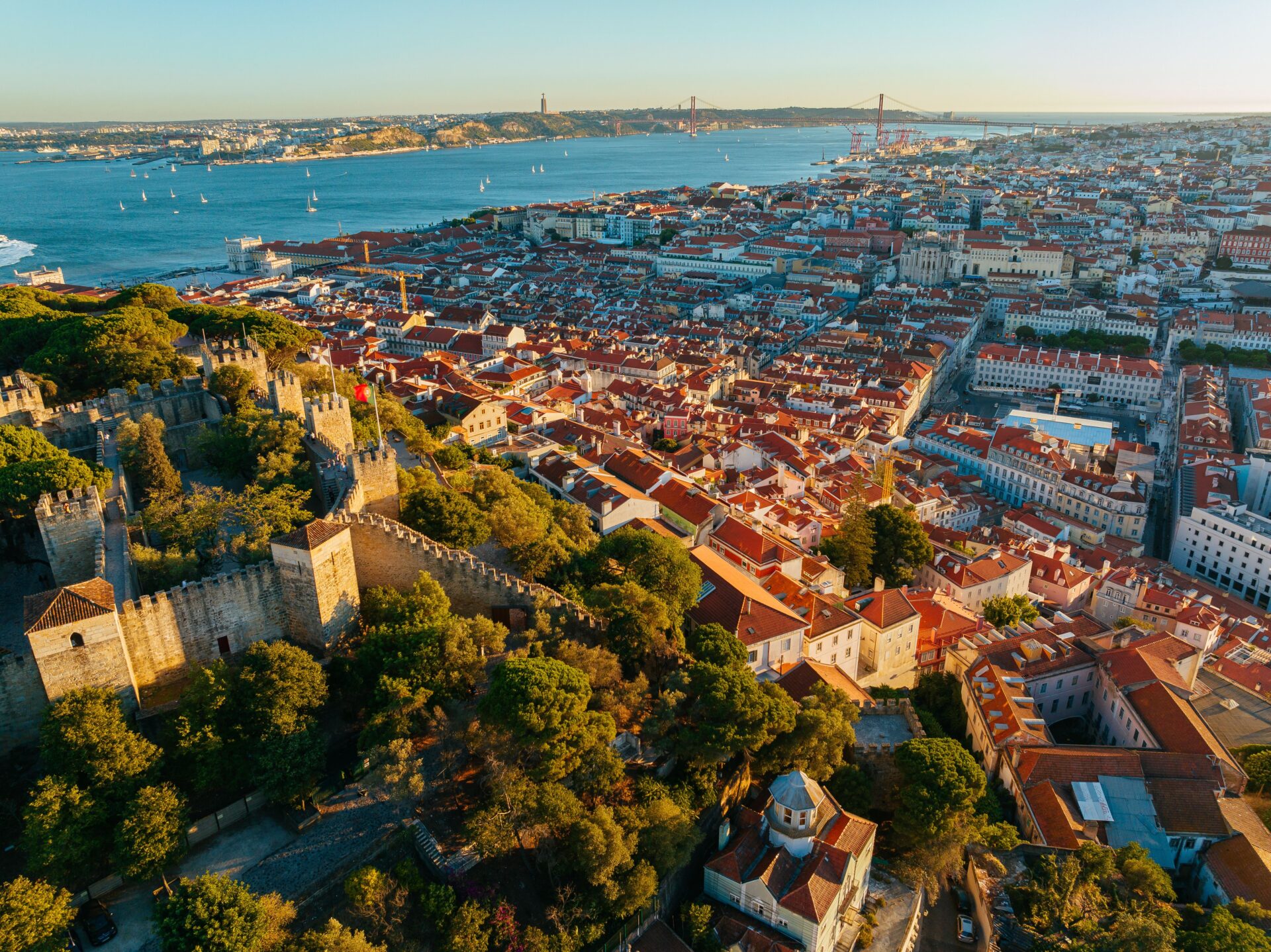
Lisbon: The 7 hills, the trams, the azulejo tiles, the pastéis de nata, the fado at the tasca. The city whose specific quality is the saudade (the Portuguese longing, the aesthetic of the melancholy that is at once a sadness and a pleasure). Lisbon is beautiful in the specific way of a city that has been declining since the 16th century and that wears the beautiful decay with dignity.
Barcelona: The Gaudí architecture, the Las Ramblas, the Gothic Quarter, the Picasso Museum, the Barceloneta beach, the Camp Nou. Barcelona is the most technically diverse European city below Paris — the Modernisme and the Gothic and the Olympic-era architecture giving three completely different visual vocabularies in adjacent districts.
Verdict: Lisbon for the atmospheric beauty and the calm. Barcelona for the architectural variety and the energy.
Porto vs San Sebastián
Porto: The Douro River, the port wine lodges, the azulejo station, the Francesinha at Café Santiago. The most specifically Portuguese city in Portugal — working rather than glamorous, authentic rather than curated.
San Sebastián (Donostia): The Basque capital of gastronomy — the most Michelin stars per capita of any city in the world, the pintxos (the Basque bar snack, the bread with the topping, the chalkboard price) at every bar in the Parte Vieja, the La Concha beach (the most beautiful urban beach in Europe by frequent nomination):
Verdict: Porto for the authentic city character. San Sebastián for the finest food city in Europe.
The Wine Region Comparison
Douro Valley vs Rioja
Full guides in Best Wine Regions for Non-Experts. The specific comparison:
The Douro gives the vertical — the steep terraced hillsides, the schist and the granite, the port wine and the dry red wine from the same grapes, the quinta (the family estate) as the primary visitor experience.
The Rioja gives the horizontal — the flat Rioja Alavesa plateau, the traditional underground cellars, the ageing classifications printed on the bottle, the village cooperatives where the village wines are produced communally.
Verdict: Douro for the dramatic landscape and the port wine context. Rioja for the accessible wine education (the label does the teaching).
The Coast Comparison
The Algarve vs the Andalusian Coast
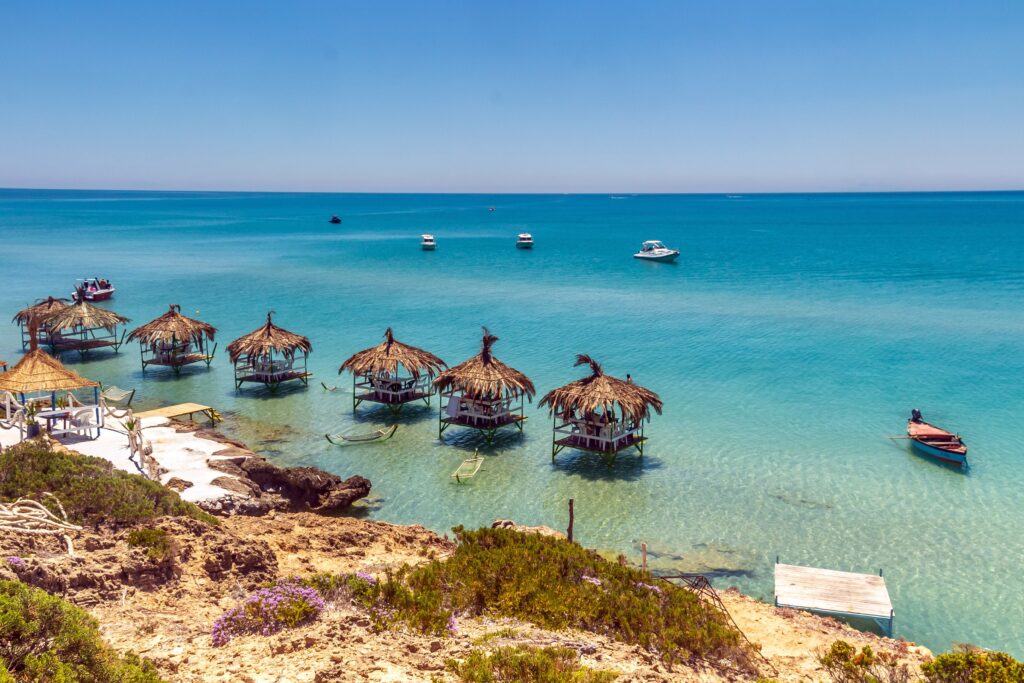
The Algarve (Portugal): The limestone cliffs, the golden beaches, the Ponta da Piedade arches near Lagos, the Sagres point at the southwest corner of Europe — the most dramatic coastal geology in Iberia. The Algarve in June-September: the UK holiday territory. The Algarve in April-May: the correct Algarve.
The Costa de la Luz (Andalusia): The Atlantic-facing Andalusian coast from Tarifa to Huelva — the kitesurfing at Tarifa, the Cádiz old city on the peninsula, the Doñana National Park (the largest national park in Western Europe, the pink flamingo colony, the lynx territory), and the specific Andalusian Atlantic coast that the Costa del Sol tourism economy has not reached.
Verdict: The Algarve for the limestone coastal drama. The Costa de la Luz for the authentic Andalusian Atlantic.
The Budget Comparison
Portugal is consistently 15-25% cheaper than Spain in equivalent accommodation and restaurant quality. The Lisbon hostel costs less than the Barcelona equivalent. The Porto restaurant costs less than the San Sebastián pintxos bar. The Algarve villa costs less than the Ibiza villa.
This difference has been narrowing as Lisbon’s tourist economy has developed since 2018 — the Alfama guesthouse that cost £35/night in 2018 costs £65/night in 2025. But Portugal remains the more affordable Iberian option.
The BGGD Verdict
Choose Portugal if: The calm, the authentic, the melancholy beautiful, the slightly cheaper, the Douro wine, and the Atlantic coast without the crowd are the motivation.
Choose Spain if: The diversity (from the Basque coast to the Canary Islands, from the Galician Atlantic to the Catalan Mediterranean), the Gaudí, the best food city in Europe (San Sebastián), and the larger travel infrastructure are the motivation.
The correct answer for the 2-week traveller: The Iberian circuit (Porto → Lisbon → Seville → Granada → Barcelona, or the reverse) gives Portugal and Spain’s essential contrast in a single trip. The two countries are 1-2 hours apart by flight or 3-4 hours by the Lisbon-Madrid high-speed train (when it opens in full operation).