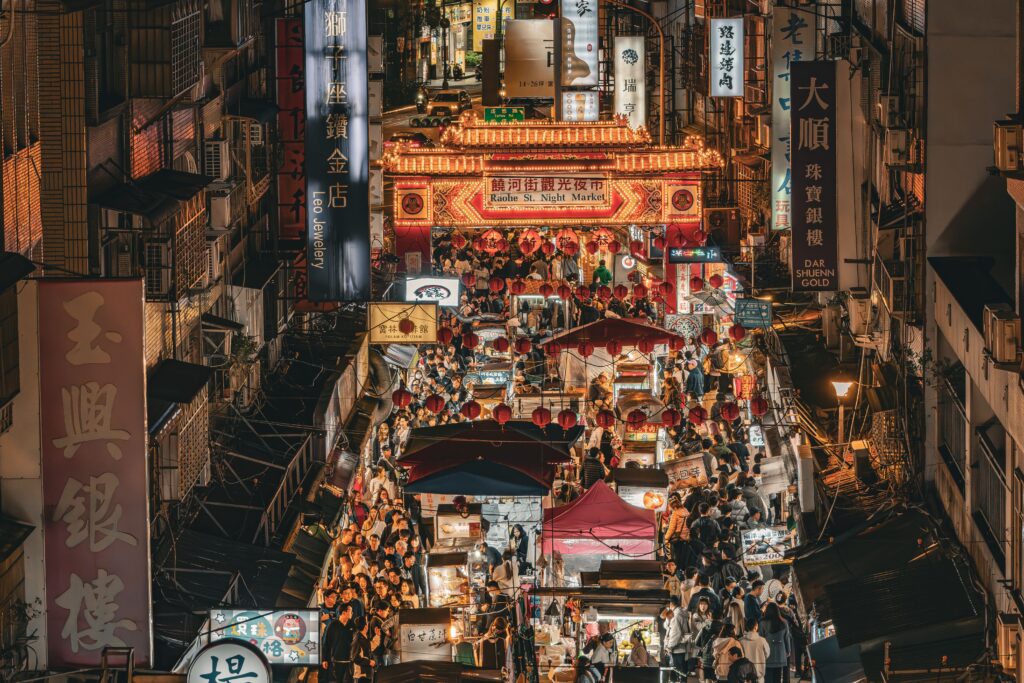




The comparison that the experienced East Asia traveller eventually reaches: Japan vs China. Not the beginner comparison (that is Japan vs South Korea) but the deeper one — the two countries that define East Asian civilisation, that have influenced each other for 1,500 years, and that give the Western visitor the most complete available immersion in Asian cultural and historical depth. Japan gives the refinement: the aesthetic culture that has compressed 1,500 years of influence from China into the specific Japanese form that is simultaneously more accessible and more profound than its source. China gives the source: the scale, the rawness, the specific weight of a civilisation that was the world’s largest economy for most of recorded history and whose monuments reflect the confidence of the unquestioned centre.
Reading time: 8 minutes | Last updated: 2026
The Core Distinction
Japan filtered China. The calligraphy, the tea ceremony, the Buddhism, the Confucian social structure — all arrived from China and were refined in Japan into forms that the Japanese aesthetic tradition made more concentrated and more precise. The Japanese Zen garden gives you the Chinese garden’s philosophy at a density that the original Chinese garden expresses only in its finest examples.
China gives the scale that Japan cannot. The Forbidden City (the 980-room palace complex of the Ming and Qing dynasties) is not comparable to the Nijo Castle in Kyoto — it is a different order of magnitude. The Great Wall visible from the Mutianyu section on a clear morning is not comparable to the castle walls of any Japanese city. The Yangtze Gorges are not comparable to anything.
The traveller who has been to Japan and wants to understand where Japan came from goes to China. The traveller who has not been to either goes to Japan first.
Category by Category
The UNESCO Heritage
China wins on quantity and scale:
China has 57 UNESCO World Heritage Sites (the most of any country except Italy). The Forbidden City, the Great Wall, the Mogao Caves, the Terracotta Warriors, the Huangshan mountains, the Suzhou classical gardens, the Potala Palace in Lhasa — the scale of Chinese UNESCO heritage is disproportionate to any other country’s offering.
Japan wins on accessibility and preservation:
Japan has 25 UNESCO World Heritage Sites. The Hiroshima Peace Memorial, the Himeji Castle, the Kyoto historic monuments (17 temples and gardens), the Nara temples — the Japanese UNESCO sites are more accessible to the independent traveller (the English signage, the transport infrastructure, the well-maintained paths) and in better condition than the comparable Chinese sites.
The specific comparison: The Suzhou classical gardens vs the Kyoto Zen gardens. The Suzhou gardens give the literati scholar’s garden — the rock formations, the ponds, the pavilions, the specific Chinese aesthetic of the Scholar’s Rock (the taihu stone valued for the specific perforated, eroded shape that makes each rock unique). The Kyoto Zen gardens give the minimal — the single stone in the gravel, the specific Japanese concentration of the same garden tradition into the essential element.
Verdict: China for the scale and variety. Japan for the accessibility and the preservation quality.
The Food
Draw — for profoundly different reasons:
Chinese food is not one cuisine. The Cantonese dim sum, the Sichuan mapo tofu, the Xi’an biang biang mian, the Beijing Peking duck, the Shanghainese xiaolongbao, the Yunnan mushroom hotpot — the regional diversity of Chinese food is the greatest of any national cuisine in the world by the number of distinct regional traditions.
Japanese food is the most technically precise national cuisine in the world — the knife skills, the dashi, the specific preparation standards that the Japanese chef applies to every element of the dish. The Japanese ramen, the sushi, the kaiseki, the okonomiyaki — the depth within a single Japanese regional style exceeds the depth of most entire national cuisines.
The specific comparison: The Japanese convenience store versus the Chinese street food cart. The Japanese Family Mart or 7-Eleven (onigiri, the egg salad sandwich, the hot food counter) gives the quality convenience food that has no equivalent in any other country’s retail food sector. The Chinese street food cart (jianbing, the cong you bing, the tang bao) gives the unplanned meal at the corner that is inexplicably perfect.
Verdict: China for the regional variety. Japan for the technical depth.
The Practical Comparison
| Factor | Japan | China |
|---|---|---|
| Visa | Visa-free 90 days (UK) | Visa required (£130-180, apply 3-4 weeks ahead) |
| Language | Limited English outside tourist areas | Less English than Japan; Google Translate essential |
| Internet | Unrestricted | The Great Firewall — VPN essential before arrival |
| Daily budget | £100-160/day | £60-110/day |
| Safety | Extremely safe | Safe in major cities; standard urban precautions |
| Flight time (UK) | 12-13 hours | 10-11 hours (Beijing/Shanghai direct) |
The China practical requirements:
The VPN (download and activate before arriving in China — the Great Firewall blocks Google, Instagram, WhatsApp, Gmail, and the major social platforms from within China. The VPN must be downloaded before arrival because the VPN app stores are also blocked from within China): ExpressVPN or NordVPN, activated before the flight.
The China visa (the UK citizen requires the Chinese Tourist Visa — apply at the Chinese Visa Application Service Center, the processing time 4-7 working days, the fee £130-180 depending on the visa type and the processing speed): apply at visaforchina.org.
WeChat (the Chinese super-app — the messaging, the payments (WeChat Pay), the restaurant bookings, the everything that Chinese urban life routes through a single application): set up before arrival, link to the Wise or Revolut card for the payment functionality.
The BGGD Verdict
Go to Japan first if: This is the first East Asia visit, the ease of the independent travel (the English signage, the impeccable transit infrastructure, the absence of the VPN complexity) is important, or the refined aesthetic culture (the Zen garden, the ryokan, the kaiseki) is the primary motivation.
Go to China if: You have been to Japan, you want the historical scale that Japan learned from, you are comfortable with the VPN complexity and the Mandarin-language environment, or the specific Chinese destinations (the Zhangjiajie sandstone pillars, the Li River karst, the Chengdu panda sanctuary, the Dunhuang Silk Road oasis) are the specific motivation.
The combined East Asia trip: The visa complexity makes Japan-China consecutive more logistically demanding than Japan-South Korea. The JR Pass-holder who adds a 5-day China side trip (Beijing, the Great Wall, the Forbidden City, fly back to Japan from Beijing) with the pre-arranged VPN and the China visa has the most complete East Asia first trip available.