
The route that gives Malta its full argument in a week: two days in Valletta for the most historically dense capital city in the EU and the Caravaggio in St. John’s and the Upper Barrakka Gardens at sunset when the Grand Harbour is below and the Three Cities are across the water, two days on Gozo for the Ġgantija temples that are older than Stonehenge and the Azure Window’s replacement (the Wied il-Mielaħ arch) and the specific Gozo quality of the island that is to Malta what Bali’s Ubud is to Kuta — smaller, quieter, and more specifically itself — and three days on the Maltese island circuit for the Blue Lagoon at dawn when the boat tourists haven’t arrived yet and the Three Cities that gave the Knights Hospitaller their specific military identity and the Mdina at 6am when the Silent City is actually silent.
Reading time: 10 minutes | Last updated: 2026
Malta is 316 square kilometres — the smallest EU member state by land area, the archipelago of the three inhabited islands (Malta, Gozo, Comino) in the central Mediterranean between Sicily (90km north) and Libya (320km south). The density of what Malta contains per square kilometre is extraordinary: the Ġgantija temple complex (5,600 years old — older than Stonehenge, older than the Egyptian pyramids), the Ħal Saflieni Hypogeum (the 5,000-year-old underground sanctuary carved into the living rock), the Mdina (the medieval walled city on the plateau above the island), the Valletta Baroque (the 16th-18th century architecture of the Knights Hospitaller), and the Blue Lagoon (the turquoise shallow water between Comino and the uninhabited Cominotto that the boat tourists reach at 10am and that the kayaker reaches at 7am in the specific pre-tourist light that makes the photographs look impossible).
Before You Leave
The visa: Malta is in the Schengen Area. UK citizens can visit visa-free for 90 days in any 180-day period within the Schengen Area (the same 90-day allowance as the rest of Schengen).
The transport: Malta’s public bus network covers the main island comprehensively (the Tallinja card — €21 / £18.10 for 12 rides, available at the airport). Gozo accessible by the Gozo Channel Company ferry from the Ċirkewwa terminal (€4.65 / £4.01 adult return — the ferry runs throughout the day and evening). Comino accessible by water taxi from the Ċirkewwa terminal or the Mġarr harbour on Gozo (€8-12 / £6.90-10.34 return).
The heat: Malta in July-August reaches 34-38°C. The outdoor activity (the Gozo cliff walks, the Valletta street navigation) is most comfortable before 11am and after 5pm. The Blue Lagoon visit at 7am gives the swim in the low 20°C morning air with the water at 27-28°C — the correct summer Malta water approach.
The Route
Valletta (2 nights) → Gozo (2 nights, ferry from Ċirkewwa) → Comino Blue Lagoon (morning trip from Gozo) → Malta south (2 nights, Marsaxlokk base) → Mdina day trip → return Valletta, fly home
The 7 Days
DAYS 1-2 — Valletta
Day 1: St. John’s Co-Cathedral and the Grand Harbour
9:00am — St. John’s Co-Cathedral:
The Co-Cathedral of St. John (the 1577 Baroque cathedral of the Knights of St. John — the nave floor of the 400 marble tombstones of the Knights (the carved marble portraits of the Knights inlaid in the floor, the walk through the nave walking on the faces of the medieval crusader aristocracy), and the Oratory of the Co-Cathedral containing the Caravaggio: The Beheading of Saint John the Baptist (the 1608 painting, the only signed Caravaggio work)):
The Caravaggio instruction (the complete version): the painting is 3.7 metres × 5.2 metres. The figure of Salome’s servant, waiting with the silver plate to receive the head, is visible in the right foreground. The executioner has drawn the blade across the neck; John is not yet fully dead in the composition. The specific Caravaggio technique (the pool of blood visible below John’s neck on the ground of the painting — the technique by which Caravaggio signed the work: the signature is painted in the blood of the Baptist). Entry: €15 / £12.93.
The Upper Barrakka Gardens:
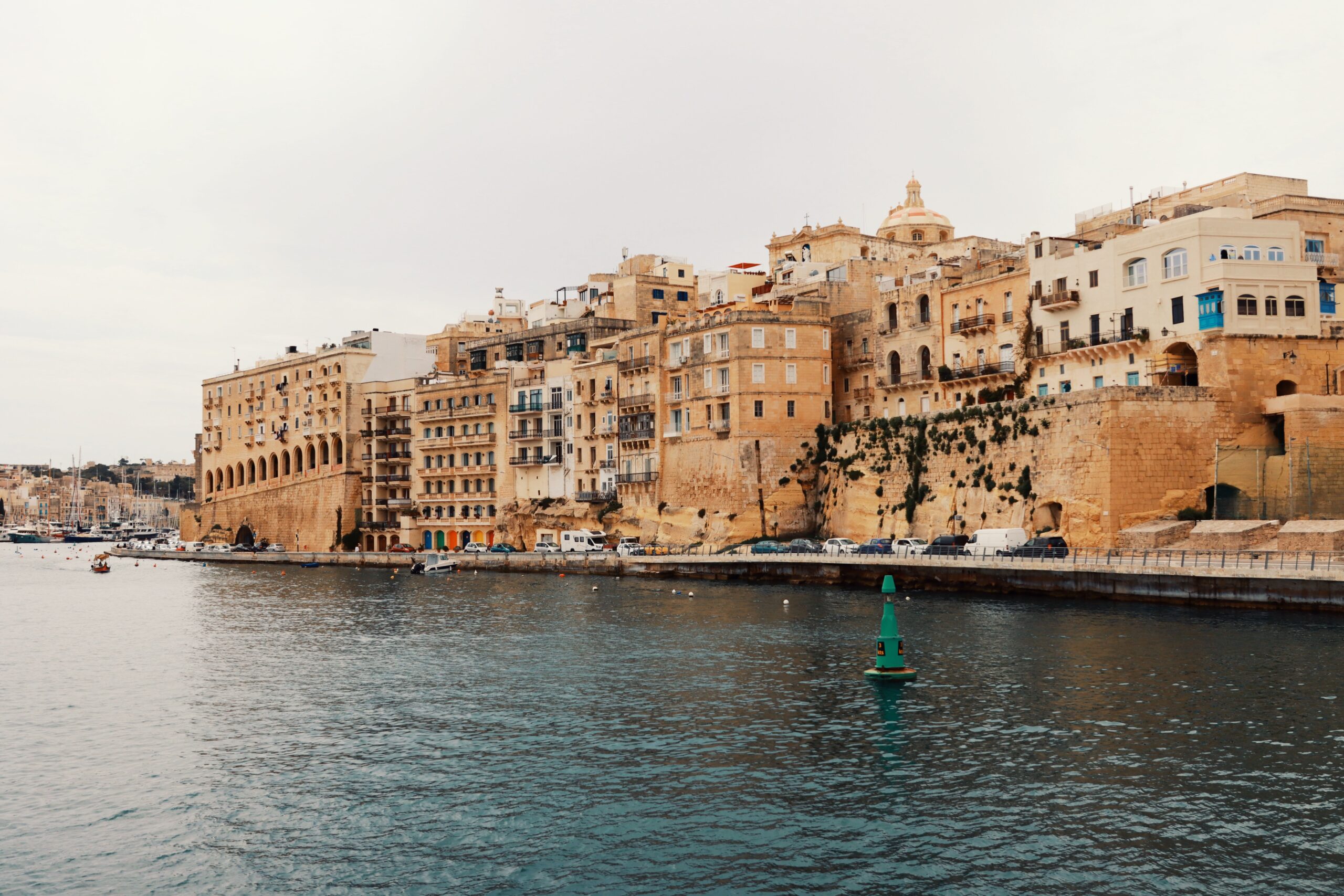
The Upper Barrakka Gardens (the public garden on the bastions above the Grand Harbour — the view of the Three Cities (Birgu, Bormla, and Isla) across the harbour, the morning cannon (the Saluting Battery, the noon cannon fired daily, audible across the harbour, the specific Malta sound):
The Grand Harbour view at sunset (the St. Elmo lighthouse visible at the harbour entrance, the Kalkara creek visible to the right, the dghajsa (the traditional Maltese water taxi, the gondola of the harbour) visible at the quayside): the most specifically beautiful urban view in Malta.
Day 2: The Three Cities
The Three Cities (Birgu, Bormla, Isla — the promontories on the south side of the Grand Harbour, accessible by the water taxi from the Valletta waterfront (the dghajsa, €2-3 / £1.72-2.59 per person one way) or by ferry):
The Fort St. Angelo (the medieval fortress at the tip of Birgu — the fortress that the Knights held during the Great Siege of 1565 when the Ottoman fleet of 40,000 besieged the 700 Knights and their Maltese allies for 4 months until the relief force arrived from Sicily): entry €10 / £8.62.
The Inquisitor’s Palace (the 16th-century palace that was the operational centre of the Maltese Inquisition — the prison cells, the interrogation rooms, the specific institutional architecture of the Counter-Reformation visible in the physical spaces): entry €10 / £8.62.
The pastizzi (the traditional Maltese pastry — the diamond-shaped flaky pastry filled with ricotta or mushy peas, the specific Malta street food, available from the pastizzeria at every town square): €0.40-0.70 / £0.34-0.60 each. The cheapest and most specifically Maltese single food purchase available.
DAYS 3-4 — Gozo
Day 3: The Ġgantija Temples and Ramla Bay
The Ġgantija:
The Ġgantija Megalithic Temple Complex (the 3600-3200 BCE temples at Xagħra — the two temples built from the local coralline limestone, the megalithic construction using stones up to 5 metres long and 6 tonnes in weight, the UNESCO World Heritage Site whose age (5,600 years) makes it the oldest freestanding stone structure in the world):
The specific Ġgantija instruction: the temples are not ruins in the conventional sense — they are unusually complete for their age, with walls standing to 6 metres in some sections and the original threshold stones visible at the temple entrances. The visitor who expects the Parthenon or Stonehenge scale is given the human scale instead — the temples are the right size for 50 people to conduct the ritual within, not for 5,000 to observe it from the outside.
Entry: €15 / £12.93 (includes the Gozo Museum of Archaeology).
The Ramla Bay:
The Ramla Bay (Gozo’s largest beach — the red-sand beach (the iron oxide in the sand giving the specific terracotta colour that distinguishes Ramla from every other Mediterranean beach)), the Roman villa ruins visible at the beach’s eastern end (the mosaic floors of the 2nd-century CE villa partially preserved under the vegetation above the beach):
Entry to the beach: free. The Ramla Bay in July at 8am: swimmable, uncrowded. At noon: the shade retreats.
Day 4: The Wied il-Mielaħ Window and the Ta’ Pinu Basilica
The Wied il-Mielaħ Window (the sea arch on the northwest Gozo coast — the natural limestone arch above the Mediterranean, the specific Gozo coastal geology visible at the arch’s edge, the azure water visible through the arch below): the Azure Window was destroyed by a storm in March 2017; the Wied il-Mielaħ is the most frequently cited accessible replacement arch on the island.
Free access. The coastal path from the Gharb village (2km walk).
The Ta’ Pinu Basilica (the 1931 national shrine of Malta, built on the site of the 17th-century chapel where the miraculous apparition of the Virgin was reported in 1883 — the ex-voto offerings visible in the side chapel, the specific Catholic Malta devotion visible in the accumulated offerings of the grateful): free.
The Blue Lagoon (dawn visit from Gozo, Day 4 or Day 3):
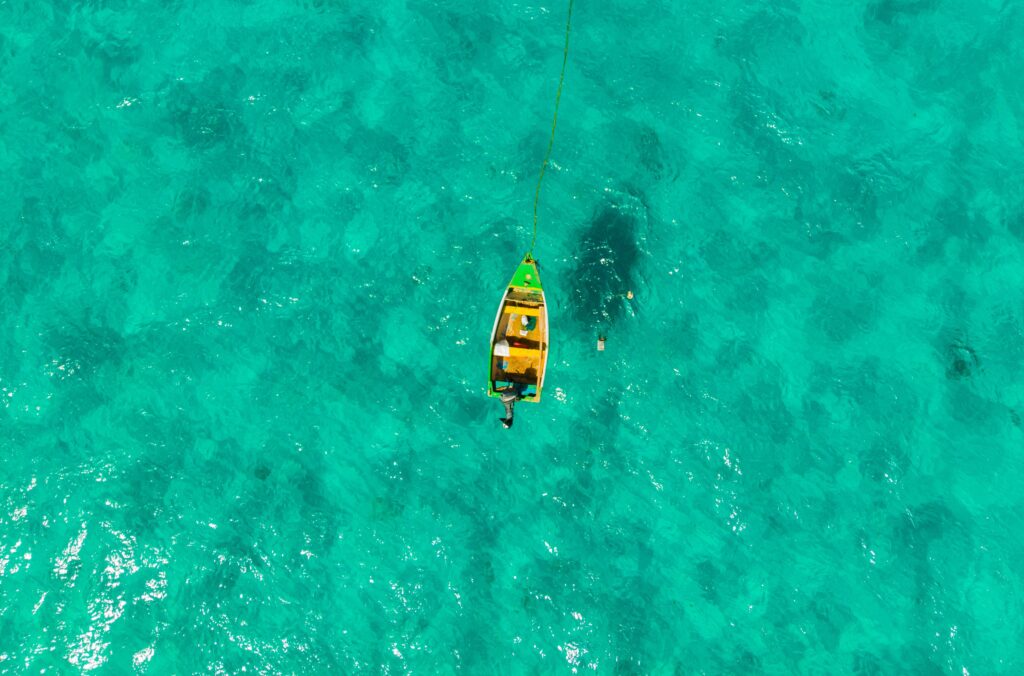
The Comino Blue Lagoon (the turquoise shallow water between Comino and Cominotto — the water at 27-28°C in summer, the limestone bottom visible through the clarity, the specific Mediterranean sea colour):
The 7am water taxi from Mġarr (the Gozo harbour) to the Blue Lagoon (the water taxi service available from the private operators, the 20-minute crossing, approximately €10-15 / £8.62-12.93 per person each way — the price negotiable for the early morning run):
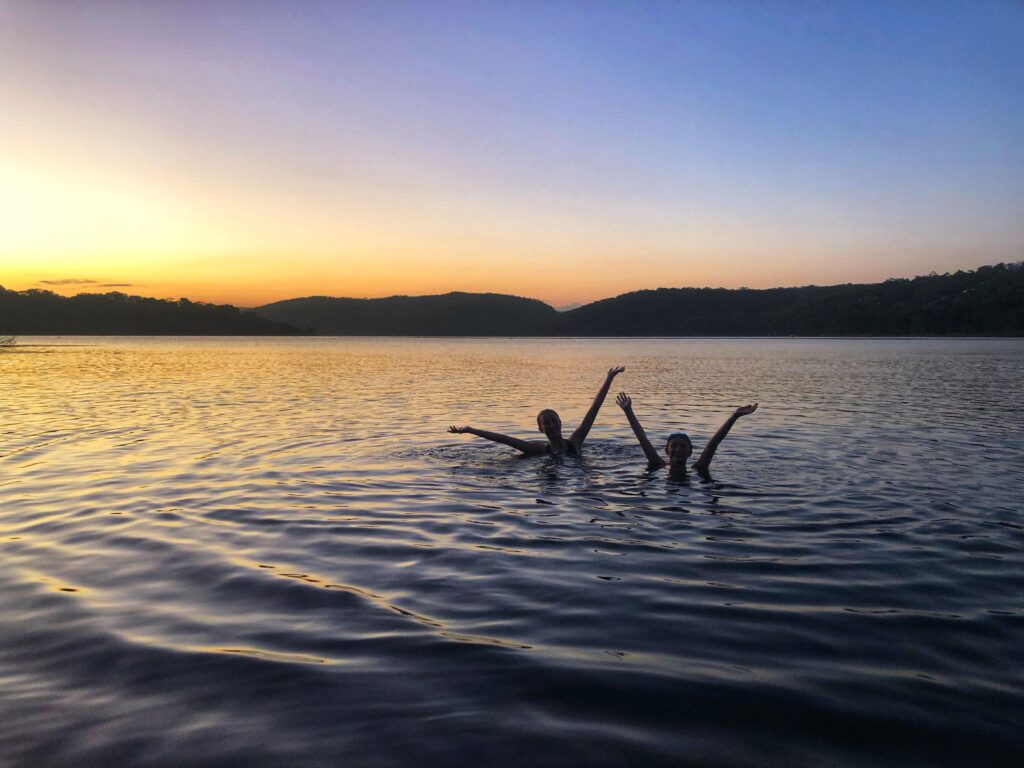
The Blue Lagoon at 7am (the water calm, the tourist boats not yet arrived from the Malta main island (the first boat tours from Malta typically arrive from 9:30am), the light from the east giving the water the specific turquoise that the noon sun reduces to merely blue): the most visually extraordinary water in Malta and the most specifically timed wildlife encounter in this guide — not an animal sighting but a light-and-water combination that exists for approximately 90 minutes each morning before the context changes.
DAYS 5-6 — Southern Malta
The Marsaxlokk:
The Marsaxlokk (the fishing village on the southeast Malta coast — the luzzus (the traditional Maltese fishing boat with the eye of Osiris painted on the bow — the most photographed single boats in Malta, the eye visible in the harbour from every approach angle) visible in the harbour):
The Marsaxlokk Sunday market (the weekly fresh fish market — the largest single-day fish market in Malta, the Mediterranean catch from the overnight boats, the octopus, the swordfish, the tuna, the specific Malta Sunday morning market):
The lampuki (the dorado fish, Coryphaena hippurus — the fish that the Maltese fish market organises its autumn season around, available September-November, the specific Malta seasonal fish that the restaurants serve in the lampuki pie (the savoury pastry, the fish, the olives, the capers, the specific Malta combination)): the correct seasonal Malta food.
Day 6: Mdina
The Mdina (the walled city on the plateau above the Malta plain — the “Silent City,” the medieval capital of Malta before the Knights built Valletta, the 450 permanent residents in the walled city, the population that the Knights replaced the original Arab inhabitants with after the reconquest):
The Mdina at 6am (the city gates open at all times — the walled city at dawn when the 450 residents are the only people within the walls, the limestone streets empty, the Baroque palaces visible in the horizontal morning light):
The Cathedral of St. Paul (the 1697 Baroque cathedral on the site of the Roman governor Publius’s house, where St. Paul was reportedly sheltered after the shipwreck of 60 CE — the specific Mdina connection to the Acts of the Apostles 28:7): entry free to the cathedral, €5 / £4.31 for the crypt and museum.
What It Costs
| Category | Budget | Mid-Range |
|---|---|---|
| Return flights (UK-Malta) | £30-120 | £60-200 |
| 7 nights accommodation | £175-490 | £350-980 |
| Gozo ferry (return) | £8 | £8 |
| Food (7 days) | £100-200 | £200-400 |
| Activities and entries | £60-120 | £80-160 |
| Total | £373-938 | £698-1,748 |
Malta is the most affordable 7-day Mediterranean destination in this guide — the Ryanair flight from £30 one way, the accommodation prices 30-40% below the Greek island equivalent, and the Maltese restaurant pricing (the set menu at the traditional Maltese restaurant €12-18 / £10.34-15.52 for 3 courses) give the Mediterranean culture, history, and climate at the Central European city-break price.