

The open water swimming guide for the swimmer who has spent 20 lengths per session in the chlorinated pool and who wants the specific sensory reset of the natural body of water: the cold, the visibility, the absence of the lane rope. The Lake Windermere (the English Lake District, the 17km of freshwater, the specific chill at 15°C in August that makes the 60-minute swim give the specific post-swim heat that the pool does not), the Lake Bled (the Julian Alps, the island church visible from the water at the 400m mark, the turquoise at 68 metres depth), and the Red Sea at Dahab (the Blue Hole — the 130-metre underwater sinkhole visible as the deep blue circle from the surface, the coral at snorkel depth from the shore, the specific Egypt swim destination that the European pool swimmer discovers and returns to for the rest of their swimming life).
Reading time: 7 minutes | Last updated: 2026
The Destinations
1. Lake Windermere — English Lakes
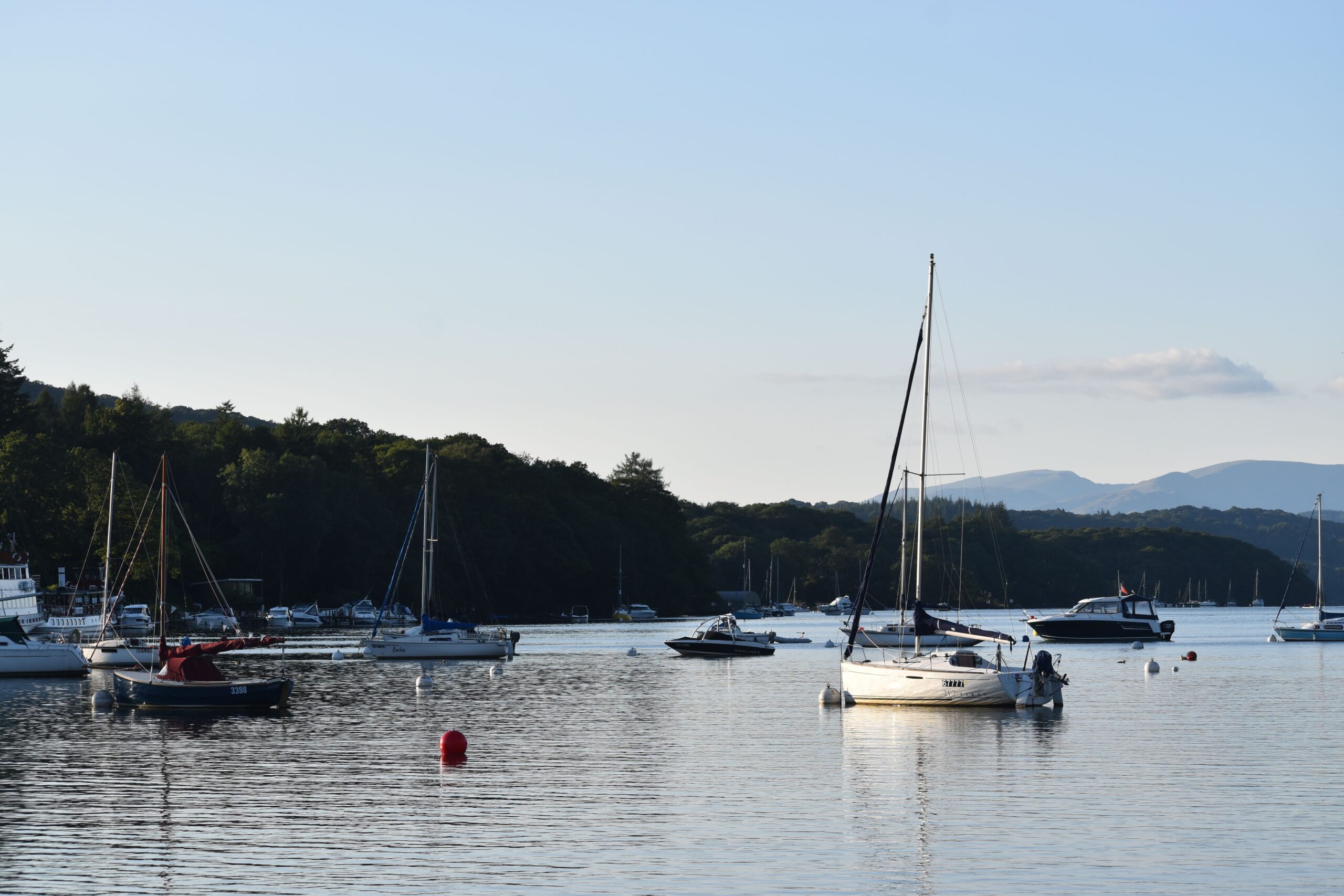
The swim: Windermere (the longest natural lake in England — 17km, 1.6km wide at the widest point, the depth 67m at maximum): the Great North Swim (the annual open water swimming event, 1km and 1.5-mile distances, the June event giving the 15-16°C water and the Lake District backdrop):
The independent swim: The Windermere public access points (the Low Wood Bay, the Fell Foot Park, the Miller Ground beach — the public access points where the independent swimmer enters legally, the swim from any of these points legal under the right to roam):
The water temperature: June-August: 15-18°C. September: 14-16°C. The specific Windermere water quality (the clear water, the visibility at 4-6 metres in the standard summer condition) gives the lake swim that the UK wild swimming community uses as the reference freshwater open water.
Practical: Train to Windermere from Manchester Piccadilly (1.5 hours), the waterfront accessible from the town.
2. Lake Bled — Slovenia
The swim: Bled (the glacial lake at 475 metres — the 2.12km circumference, the island church (Blejski Otok — the Church of the Assumption visible from the water at the 400m mark of the circuit), the Bled Castle visible from the water at the 1km mark):
The lake circuit swim: The 2.12km circuit (the lake swum in either direction, the standard open water swim accessible to any intermediate swimmer): the specific Bled quality — the Julian Alps visible above the lake rim in every direction, the water temperature at 22-24°C in July-August giving the summer swim without the cold acclimatisation required at Windermere.
The official swim: The Blejsko Jezero public swimming area (the south shore of the lake, the natural beach, the entry free): no wetsuit required in summer; recommended in May-June.
3. Dahab (Blue Hole) — Egypt, Red Sea
The swim: Dahab (the Sinai Peninsula Red Sea resort town, 90km from Sharm el-Sheikh — the specific Egypt swim destination, the Blue Hole accessible from the Dahab town beach by the road 9km north):
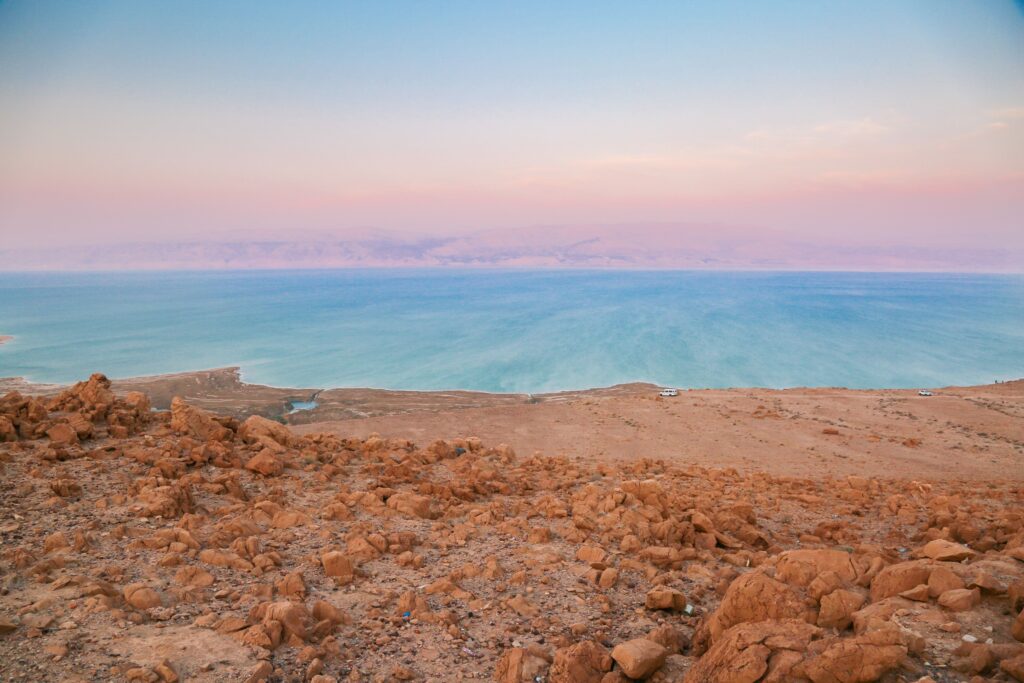
The Blue Hole: The Blue Hole (the underwater sinkhole, 130 metres deep, 8-9 metres wide at the surface — the circular dark blue visible from the reef edge at the surface, the reef surrounding the hole accessible by snorkel at 5-10 metres depth):
The Blue Hole is the most famous snorkel/freedive site in Egypt and one of the most famous in the world — the coral visible in every direction from the surface, the water visibility at 20-30 metres in standard conditions, the specific Red Sea clarity.
The safety note: The Blue Hole has the highest scuba fatality rate of any dive site in the world (the arch at 56 metres has been the specific location of over 130 diver deaths). The surface snorkel and the freedive to 10-15 metres are accessible to the intermediate swimmer without the specific risk of the technical dive. Do not attempt the arch without the technical diver qualification and the guide.
4. Silfra Fissure — Iceland
Full description in Wild Swimming Destinations in Europe. The ranking entry: the 2°C glacial water, 100m visibility, the tectonic plate swim. The most specific open water swimming experience on Earth.
5. The Øresund — Denmark/Sweden
The swim: The Øresund (the strait between Denmark and Sweden — the Helsingør-Helsingborg crossing, the public beach access on the Danish side at Snekkersten and on the Swedish side at Helsingborg):
The distance: The Øresund at its narrowest point (the Elsinore crossing — the historical crossing point (the Kronborg Castle of Shakespeare’s Hamlet visible on the Danish shore): 4km. Swum regularly by open water swimmers from both shores.
The specific Øresund quality: The swim crosses an international maritime shipping lane (the world’s fourth busiest shipping lane — the vessels visible from the water throughout the crossing, the escort kayak mandatory for the organised crossing events). The Øresund swim is the specific swim that is both geographically and logistically the most demanding on this list, and that gives the international crossing (Denmark to Sweden in the water) that no other European swim offers at this distance.