
The comparison that the wild landscape traveller eventually makes: Iceland or Scotland? Both give the Atlantic coast, the mountain, the waterfall, the loch and the lake, the specific Northern European sky that the blue-sky destinations do not give. Iceland gives the geologically active version — the geyser, the volcano, the northern lights, the specific otherworldly that the 18 million years of volcanic activity has produced. Scotland gives the historically layered version — the Callanish Standing Stones, the Highland clan architecture, the specific Scotland that 10,000 years of human settlement have inscribed into the landscape alongside the geology. The comparison is not which is more beautiful (unanswerable) but which gives the specific nature or the specific culture at the distance and the price the week allows.
Reading time: 7 minutes | Last updated: 2026
The Core Distinction
Iceland is geology — the country that sits on the Mid-Atlantic Ridge, the volcanic island that gives the visitor the planet’s geological processes at human scale (the geyser erupting every 8 minutes, the lava field where the rock is 50 years old, the glacier calving into the glacial lagoon). The Iceland the visitor encounters is the Earth at work.
Scotland is history — the country that has been inhabited since 9,000 BCE, that gave the world the Enlightenment (Adam Smith, David Hume, James Watt all Scottish), and that maintains the specific Highland culture (the ceilidh, the whisky, the clan) as a living tradition rather than a heritage industry. The Scotland the visitor encounters is the human story inscribed on a landscape.
Category by Category
The Geology and Landscape
Iceland wins:
The Geysir (the geyser field giving the Strokkur eruption every 8 minutes), the Vatnajökull glacier (the largest glacier in Europe by volume), the Jökulsárlón glacial lagoon, the Fimmvörðuháls lava field (new lava from the 2010 Eyjafjallajökull eruption), and the northern lights (September-March, the Reykjanes Peninsula or the Þórsmörk giving the Aurora Australis at latitude 64°N): the geological argument has no Scotland equivalent.
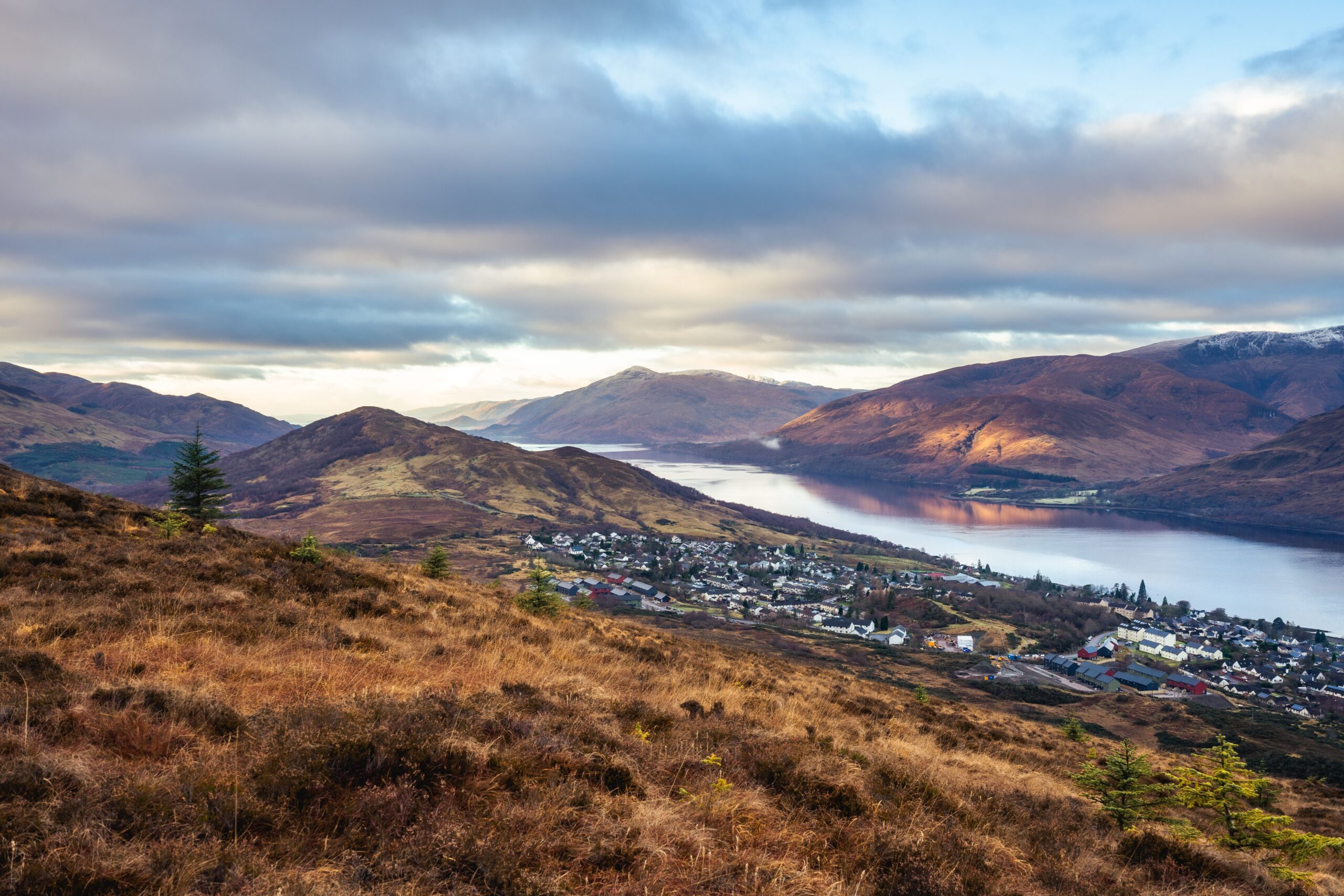
Scotland competes with: Ben Nevis (the highest peak in the British Isles), the Cairngorms plateau, Loch Ness and the Great Glen, the Fairy Pools on Skye, and the Luskentyre beach on Harris (full coverage: 7 Days in Scotland — Skye and the Hebrides).
The Cost
Scotland wins significantly:
Iceland is one of the most expensive European destinations — the mid-range daily budget at £120-180/day (the restaurant meal: £25-40 per main, the accommodation: £80-150/night budget). The “cheap Iceland” trip that the budget travel market promotes requires the sleeping bag hostel and the supermarket food that the £80/night budget buys.
Scotland is accessible: the Ryanair flight from Edinburgh from £20, the guesthouse in the Highlands at £40-80/night, and the self-catering in the Outer Hebrides from £60/night for the family cottage.
The Northern Lights
Iceland wins on probability:
The northern lights (Aurora Borealis) require: clear sky, solar activity above KP3, and darkness (the autumn equinox to the spring equinox). Iceland gives these conditions more reliably than Scotland — the latitude (64°N in Reykjavik versus 58°N in Inverness), the lower light pollution, and the specific Iceland sky give the lights at higher frequency.
Scotland has northern lights: the Orkney, the Shetland, and the Outer Hebrides give the Aurora Borealis at KP3+ activity. The lights are visible from Scotland, less frequently than from Iceland.
The Practical Comparison
| Factor | Iceland | Scotland |
|---|---|---|
| Flight time | 3 hours | 1.5 hours (Edinburgh) |
| Daily budget (mid-range) | £130-180/day | £80-130/day |
| Car required | Yes (essential) | Yes (for the Highlands) |
The BGGD Verdict
Choose Iceland if: The geological spectacle (the geyser, the volcano, the glacier, the northern lights at high probability), the otherworldly landscape, and the specific Iceland that is unlike anywhere else on Earth are the motivation. Budget for £120+/day.
Choose Scotland if: The wild landscape with the historical and cultural depth, the accessible price (40% less than Iceland), and the specific Scotland — the Callanish at dawn, the Luskentyre beach, the Harris Tweed weaver — are the motivation.