


Two cities that have been arguing about food supremacy for decades. The Tokyo partisans cite the Michelin star count (more than any city in the world). The Osaka partisans cite kuidaore — eating until you drop — as a philosophy, not a metaphor. Both are correct about different things.
What Tokyo Does Best
The ramen counter:
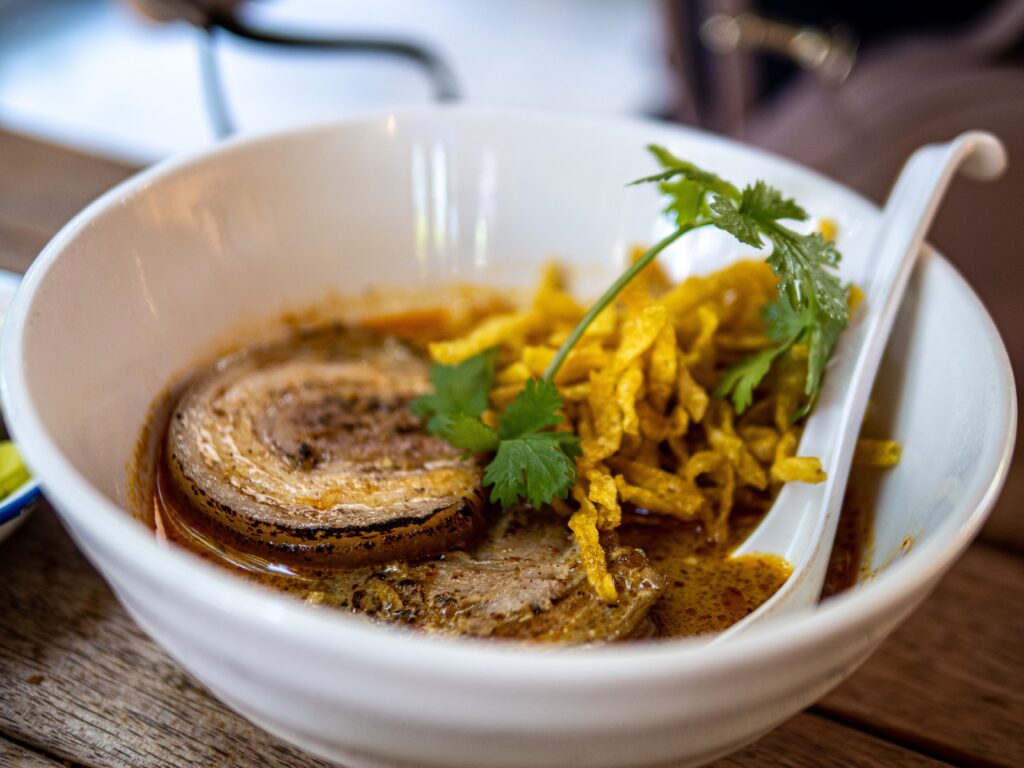
The Tokyo ramen counter — the 8-seat, single-chef operation on a back street of Shinjuku or Nakameguro, the chef visible through the narrow opening above the counter, the menu on the wall in kanji (no English, a good sign), the single bowl of shoyu (soy-based) or shio (salt-based) ramen brought to the counter within 4 minutes of ordering. The broth: the accumulated intelligence of a chef who has cooked nothing else for 15 years. The noodles: the thin, straight Tokyo noodle (the Hakata thin ramen versus the wavy Sapporo noodle — Tokyo uses its own style).
The best Tokyo ramen by style:
- Shoyu (soy): Ramen Nagi (Shinjuku), the chicken and soy broth with the fat separated and recombined at serving temperature
- Shio (salt): Supuretaku (Nakameguro), the clear broth with the intensely mineral chicken and seafood base
- Tsukemen (dipping ramen): Fuunji (Shinjuku), the concentrated dipping broth with the thick flat noodles
- Mazemen (brothless): Menya Musashi (multiple locations), the flat noodles with the toppings and sauce, no broth
The depachika:
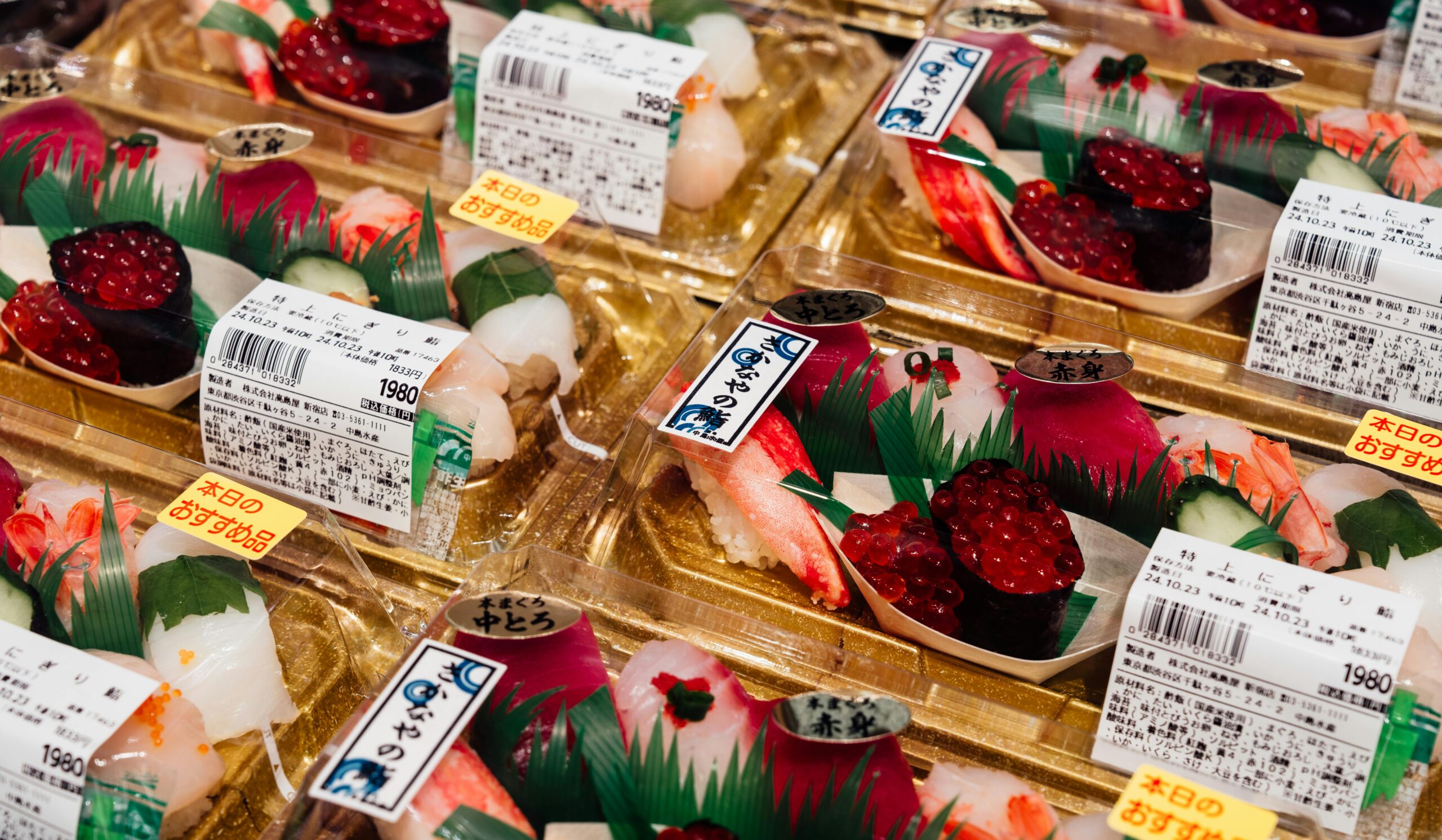
The basement food halls of the Tokyo department stores are the finest food retail environments in the world — the wagyu beef from the Kagoshima prefecture at the counter (cut to order, the fat marbling visible through the glass), the fresh wagashi (the Japanese confections: the yokan, the mochi, the dorayaki) from the hundred-year-old confectionery houses, and the bento boxes that change with the season, each component arranged with the specific Japanese aesthetic of makoto — the genuine.
What Osaka Does Best
Takoyaki:
The octopus ball — the batter (the takoyaki batter, a specific recipe of wheat flour, dashi broth, and egg) cooked in the round-cast-iron moulds, the tentacle of octopus placed in the centre, the balls turned continuously with a skewer as the outside cooks until the interior is still liquid and the outside is crisp. The finished balls dressed with takoyaki sauce (a thick sweet-savoury sauce), Japanese mayonnaise, dried bonito flakes (which move in the heat), and green aonori seaweed.
The specific Osaka instruction: eat immediately. The takoyaki is at its optimal temperature for approximately 90 seconds after serving.
Where: Aizuya (Dotonbori, the most established takoyaki vendor on the canal strip). Takoyaki Juhachiban (Namba): the version with the more liquid interior, considered by Osaka residents the correct construction. 6 pieces: 600-800 JPY / £3.18-4.25.
Okonomiyaki:
The Osaka savoury pancake — the batter of wheat flour, dashi, and grated nagaimo (the Japanese mountain yam that gives the characteristic lightness), mixed with cabbage, the protein of choice (pork belly, shrimp, squid, or the kitchen-sink combination called the modern yaki), and cooked on the teppan (the iron griddle) and dressed with okonomiyaki sauce, Japanese mayonnaise, bonito flakes, and aonori.
The Osaka style (the mixed style — the kansai-style — everything in the batter together) versus the Hiroshima style (the layered style — the noodles, the cabbage, the pork, the egg in separate layers): two different dishes that share a name and a cooking surface.
Where: Mizuno (Dotonbori, operating since 1945): the most celebrated okonomiyaki restaurant in Osaka, the queue from the opening (11:30am). 1,500-2,200 JPY / £7.95-11.66 per okonomiyaki.
The Verdict
For ramen: Tokyo. The concentration of ramen counters per square kilometre, the diversity of styles, the depth of cooking tradition.
For street food: Osaka. The Dotonbori canal and the Namba shopping district contain the finest concentration of Japanese street food available — the takoyaki, the okonomiyaki, the kushikatsu (the deep-fried skewers unique to Osaka), the taiko mochi. Kuidaore is not a slogan; it is the operating principle.
For fine dining: A draw — Tokyo has more Michelin stars but Osaka has the specific kaiseki tradition (the multi-course Japanese seasonal cuisine, the kaiseki of Osaka’s old restaurants drawing on the Kyoto culinary tradition but with the specific Osaka emphasis on the flavour of the ingredient rather than the visual presentation).
For the fish market: Osaka. The Kuromon Ichiba (the market that supplies the Osaka restaurant kitchens, open to retail customers from 8am) — the tuna, the sea urchin, the eel, the live seafood tanks, and the prepared food vendors who grill the morning’s catch in front of the customer.
The BGGD recommendation: Osaka as the base for 3-4 days, Kyoto as the day trip (30 minutes by Shinkansen), Tokyo as the separate 4-5 day destination. Both cities in one Japan trip is the correct architecture.