



Zurich, Oslo, and Copenhagen consistently rank among the world’s most expensive cities, but each has a genuine local workaround, a specific lunch pattern locals actually use to eat well without restaurant prices, that visitors rarely discover without knowing exactly where to look.
Quick answer: all three cities support a genuine £5-£8 lunch through supermarket lunch counters, bakery-based meals, or specific budget chains that locals themselves rely on daily, entirely distinct from the €25-€40 restaurant lunch prices these cities are known for.
Zurich: The Coop and Migros Lunch Counter Hack
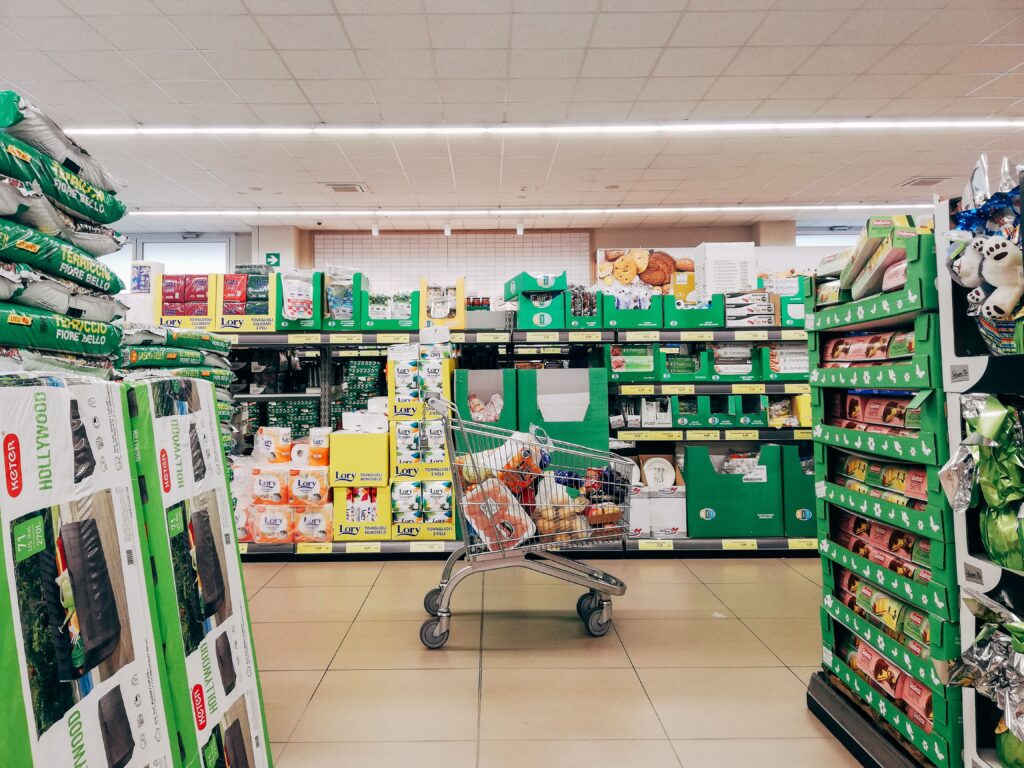
Switzerland’s two dominant supermarket chains, Coop and Migros, both operate genuine hot lunch counters within many of their larger city-centre locations, a workaround Swiss office workers rely on daily rather than a tourist secret.
- Migros Take It or Coop Pronto lunch counters: a full hot meal (typically a protein, starch, and vegetable combination) runs CHF 8-12 (£7.15-£10.75), genuinely the cheapest hot restaurant-style meal available in central Zurich
- Alternative: assembling a picnic from the supermarket itself, bread, cheese, and cold cuts from either chain’s own-brand range, runs CHF 6-9 (£5.35-£8.05) for a full lunch
- Where to eat it: Lindenhof, a small hilltop park in the old town, offers genuinely excellent Limmat river and city views, free and perfectly suited to a supermarket picnic lunch
Oslo: The Gatekjøkken and Bakery Route
Norway’s gatekjøkken (literally “street kitchen”) culture, essentially a hot dog and fast food stand tradition, offers Oslo’s most genuinely affordable hot lunch option, alongside a strong bakery-based alternative.
- Gatekjøkken hot dogs (pølse): NOK 40-60 (£2.90-£4.35) for a proper Norwegian hot dog, often wrapped in a potato-based lompe flatbread rather than a standard bun, a genuine local staple rather than a tourist novelty
- Bakery lunch (bakeri): a proper Norwegian bakery sandwich or pastry combination runs NOK 60-90 (£4.35-£6.50), with chains like Godt Brød offering consistently good quality
- Where to eat it: Vigeland Park or the Oslo Opera House’s walkable roof, both free and genuinely pleasant lunch settings
Copenhagen: The Smørrebrød Lunch Counter Route
Denmark’s traditional open-faced sandwich, smørrebrød, is available at both expensive sit-down restaurants and considerably cheaper takeaway lunch counters, with the latter genuinely favoured by Copenhagen office workers over the tourist-facing restaurant versions.
- Takeaway smørrebrød counters: DKK 35-55 (£4.05-£6.35) per piece at local lunch counters (Slotskælderen and similar no-frills establishments), compared to DKK 85-150 (£9.80-£17.25) at sit-down restaurants for a comparable item
- Alternative: Netto or Rema 1000 supermarket lunch assembly, Denmark’s budget supermarket chains, offering a full lunch (rugbrød, Danish rye bread, with toppings) for DKK 30-45 (£3.45-£5.20)
- Where to eat it: the King’s Garden (Kongens Have) offers a genuinely pleasant, free setting for a supermarket or takeaway lunch
Why These Specific Workarounds Exist
Each of these three cities’ extreme dining costs reflect genuine structural factors, high labour costs, strong worker protections, and generally high overall price levels, that apply uniformly across the hospitality sector. Locals themselves face the same restaurant pricing visitors do, which is precisely why these specific lunch workarounds developed as a genuine daily habit rather than a niche budget trick.
What Each Lunch Actually Costs Compared to a Restaurant
| City | Local Lunch Hack | Restaurant Lunch |
|---|---|---|
| Zurich | £7.15-£10.75 (supermarket hot counter) | £22-£35 |
| Oslo | £2.90-£6.50 (gatekjøkken/bakery) | £20-£32 |
| Copenhagen | £3.45-£6.35 (takeaway smørrebrød) | £25-£38 |
Step-by-Step: Making This Work in Any of the Three Cities
- Identify the specific local chain before arrival, Migros/Coop in Zurich, a reliable bakeri chain in Oslo, or a genuine no-frills smørrebrød counter in Copenhagen, rather than defaulting to the nearest tourist-facing restaurant.
- Eat lunch during standard local working hours (roughly 11:30am-1:30pm), since these lunch counters and stands are genuinely timed around local office worker patterns rather than tourist schedules.
- Ask locally if uncertain, since staff at any of these establishments are generally happy to point out the cheapest genuinely good options on their specific menu.
- Combine the lunch hack with a free park or public space for eating, maximising the overall savings by avoiding any seating charge or minimum spend some cafés apply.
- Reserve restaurant dining for one specific dinner splurge, using the lunch savings across the trip to fund a single genuinely worthwhile dinner rather than eating at restaurant prices for every meal.
Frequently Asked Questions
Do UK citizens need a visa for Switzerland, Norway, or Denmark?
No for standard tourist stays. Switzerland and Norway are both part of the Schengen Area (Norway via the EEA agreement), and Denmark is a full EU and Schengen member, all allowing UK passport holders visa-free entry for stays up to 90 days within any 180-day period.
Is the quality genuinely good at these budget lunch options, or just cheap?
Genuinely good in all three cases, reflecting the fact that locals themselves choose these options daily rather than settling for inferior quality purely to save money; the price gap reflects overhead and service style differences rather than ingredient or preparation quality.
Are these lunch hacks available outside the specific capital cities covered here?
Yes, broadly, since Migros/Coop, Norwegian bakeri and gatekjøkken culture, and Danish smørrebrød counters all extend well beyond Zurich, Oslo, and Copenhagen specifically, making this strategy applicable throughout each respective country.
How much can a full week of lunches genuinely save using this approach?
Roughly £100-£190 per person across a week, comparing the local lunch hack against restaurant dining for the same seven lunches, a genuinely significant saving in cities where every other cost category also runs high.
Applying the Same Principle Elsewhere
The core lesson from all three cities generalises well beyond this specific list: expensive destinations almost always have a genuine local budget workaround that isn’t obvious from outside, precisely because locals live with the same high prices visitors encounter. Applying this same question, “where do office workers actually eat lunch here?”, to any high-cost destination beyond these three consistently uncovers a similar pattern worth seeking out before defaulting to tourist-area restaurant pricing.
Breakfast and Dinner: Do the Same Rules Apply?
Breakfast is generally the easiest meal to manage cheaply in all three cities regardless of strategy, since hotel breakfasts are commonly included and bakery pastries remain inexpensive across the board. Dinner is where costs genuinely resist the same lunch-counter workaround, since gatekjøkken and lunch-specific counters typically close by early evening, meaning a dinner budget realistically requires either self-catering from a supermarket or accepting standard restaurant pricing for at least that one meal each day.
The Bottom Line
Zurich, Oslo, and Copenhagen’s reputation for extreme dining costs is genuinely accurate for restaurant dining, but each city has a real, locally-used lunch workaround that delivers good food at a fraction of the price. The honest recommendation is adopting the specific local habit, supermarket lunch counters, gatekjøkken stands, or takeaway smørrebrød, rather than assuming expensive restaurant dining is the only option in any of these three cities.