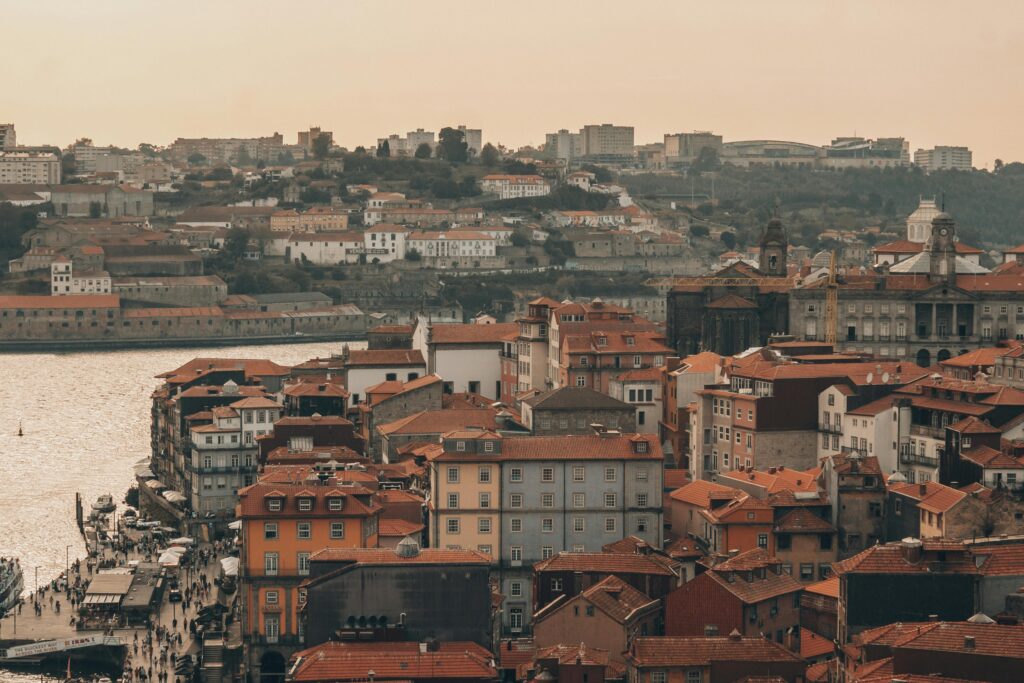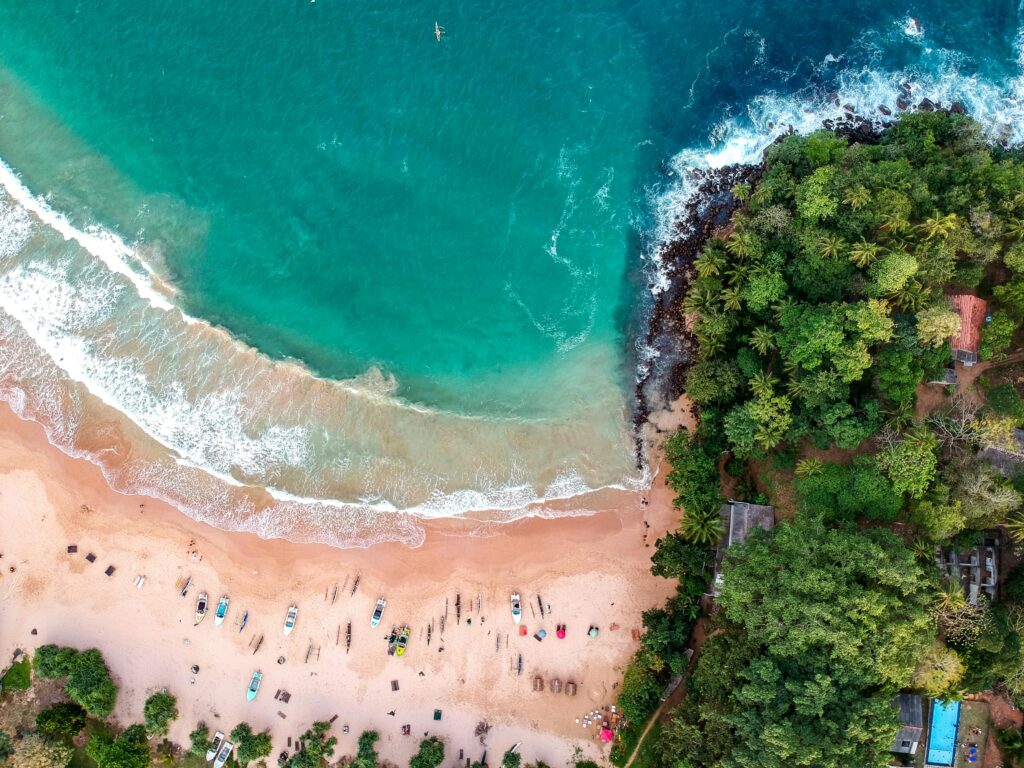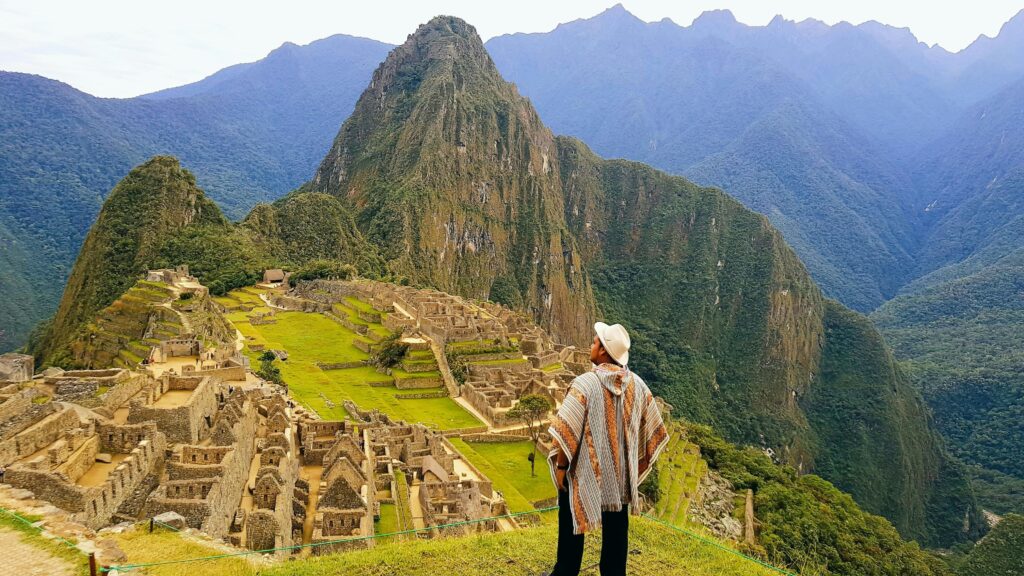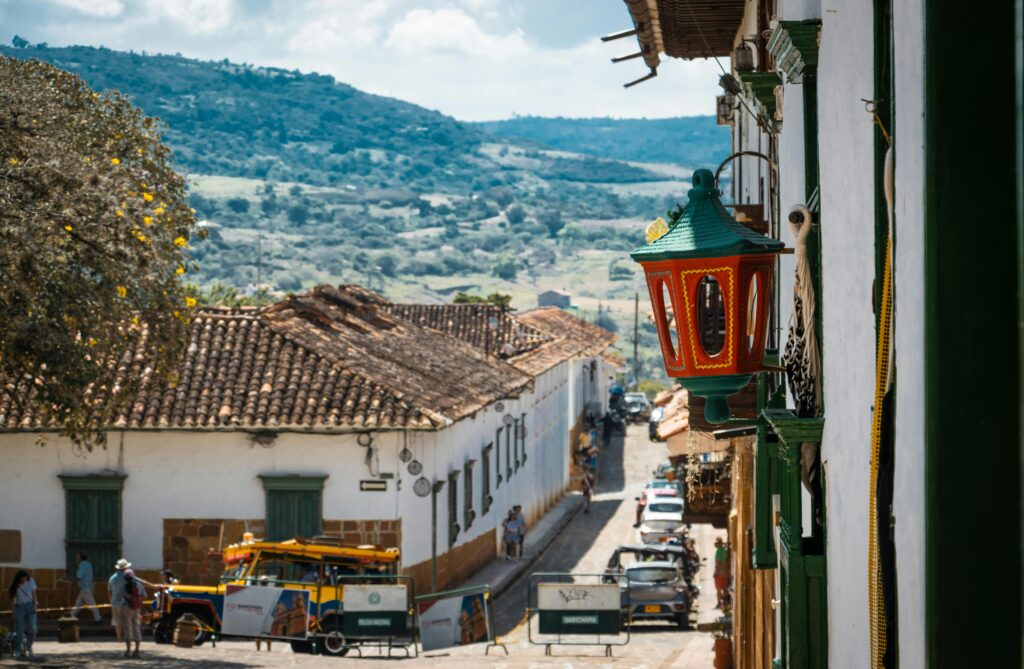

The complete guide for UK travellers who already know Rome, Venice, and Florence — and want to find the other 85% of the most extraordinary country in Europe: Matera, Puglia, the Dolomites, a Naples that rewards the curious, a Sicily that goes past Taormina, a Sardinia that isn’t the Costa Smeralda, and the northern towns that don’t appear on anyone’s mood board yet.
Reading time: 18 minutes | Last updated: 2026
Italy is the most visited country in Europe and the country most people feel they haven’t properly seen despite having visited three times.
The math behind this feeling is simple. Italy has 58 UNESCO World Heritage sites — more than any other country in the world. Most of them are not in Rome, Venice, or Florence. The country contains more artistic heritage per square kilometre than anywhere else on earth, and the tourist infrastructure is so comprehensively oriented around three cities that vast portions of one of the world’s great civilisations remain genuinely undiscrowded.
Matera: a city of cave dwellings — sassi — continuously inhabited for 9,000 years, which made it a cause of national shame in the 1950s (the Italian government forcibly evacuated residents, calling it a disgrace to modernity) and is now a UNESCO World Heritage site where you sleep in a cave converted into a hotel with underfloor heating and handmade ceramics. Four hours from Naples by train. Almost nobody adds it to their Italy itinerary.
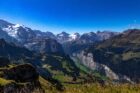
The Dolomites: a mountain range in northeastern Italy so dramatically vertical and so specifically pink at sunset that UNESCO listed them for their geological significance. The finest hiking terrain in the Alps. Half the price of the Swiss Alps in winter. Three hours from Venice by train. Vastly underrepresented in Italian travel content.
Puglia in September: a heel-of-the-boot landscape of whitewashed trulli houses, olive groves, and Adriatic coast, when the summer crowds have thinned and the harvest is in and the whole region is doing what it does when it’s being itself rather than a backdrop for photographs.
This guide is for the Italy that exists in the space between those three cities. It also covers Rome, Venice, and Florence — because the case for them holds up — but it covers them honestly and focuses most of its attention on what comes after.
Quick Navigation
- The Case for Going Beyond the Obvious Three
- When to Go — The Regional Timing That Changes Everything
- Rome — What To Do When You’ve Already Done It Once
- Naples — Italy’s Most Misunderstood City
- Matera — The Cave City That Changes Your Sense of Old
- Puglia — The Heel of the Boot
- The Dolomites — Europe’s Most Dramatic Mountains
- Sicily — The Island Beyond Taormina
- Sardinia — Not the Costa Smeralda
- The North — Smaller Cities That Outperform Their Reputations
- The Hidden Corners — Places Most Guides Don’t Reach
- What It Costs — Real Numbers
- Eating in Italy — The Actual Rules
- Practical Notes
- Two Itineraries — The Classic and The Alternative
The Case for Going Beyond the Obvious Three
The obvious three are obvious for excellent reasons. Rome is one of the greatest cities in human history. Venice is categorically unlike anywhere else. Florence is the most concentrated collection of Renaissance art in the world. None of this is wrong.
It’s also not the point of this guide.
The point is that a country with 58 UNESCO sites has 55 of them elsewhere, and most of those 55 are quieter, cheaper, and — in the specific way that the absence of tour buses and laminated menus creates — more alive than the three cities everyone goes to.
The trulli of Alberobello — circular stone houses with conical roofs, found nowhere else on earth — sit in a valley in central Puglia 50km south of Bari. The town itself is UNESCO-listed. The surrounding Valle d’Itria is full of smaller trulli, working farms, and masseria (converted farmhouses) where you can eat the finest Puglian food in a courtyard under a pergola for £25/person all in.
The sassi of Matera — the cave dwellings cut into the ravine — look like an illustration from a book you loved as a child, the kind of illustration where the impossible turns out to be possible and has simply been sitting there waiting to be found.
Civita di Bagnoregio: a medieval village connected to the modern world by a single pedestrian bridge, its population reduced from thousands to twelve, the surrounding volcanic plateau slowly eroding. The view of it from across the ravine — 2 hours by bus from Rome, £5 entry — is one of the most extraordinary things available in central Italy and appears on a small fraction of the itineraries that pass within range.
These are not compromises for people who couldn’t get into Rome. They are the places people who’ve been to Rome twice and want Italy to continue surprising them are going next.
When to Go — The Regional Timing That Changes Everything
Italy’s geography spans 1,300km from the Alps to the Mediterranean and the seasonal patterns reflect that range.
April to June — The First Sweet Spot
The best window for most of Italy. The shoulder of spring: warm enough everywhere, wildflowers in Puglia and Sicily, the Dolomites accessible but not yet at peak summer capacity, Rome and Florence before the full heat of July. Lake season opens. The Amalfi Coast before the August gridlock.
May is the single finest month in Italy for a traveller who wants to cover multiple regions. The light is extraordinary, the temperatures are ideal, and the tourist density is 40-50% of the July-August peak.
July to August — Peak and Priced
The entire country is at capacity. Accommodation prices spike 40-70% in coastal and alpine areas. The major sites are crowded from opening time. Sicily and the south can be genuinely hot (38-42°C). The Dolomites have the most predictable weather and the most visitors. Venice in August is an experience that rewards a specific kind of patience.
If this is your window: prioritise the south (Matera, Puglia, coastal Sardinia’s less-visited beaches) or the mountains (Dolomites, Alpine lakes). Both reward early starts.
September to October — The Better Window
The finest months in Italy for experienced travellers. The harvest (vendemmia) runs from late August in the south through October in the north. Puglia: warm, dry, harvest done, the tourists mostly departed. Sicily: the sea still warm, the crowds gone, the light entering its golden autumn register. The Dolomites: the crowds have thinned, the mountain huts are still open, the forest colour beginning in late September.
Truffle season begins in October in Umbria and Tuscany, which is either incidental or central depending on how you feel about truffles. (Correct answer: central.)
November to March — Off-Season
Most of the south and the islands are quiet, cheaper, and for certain travellers (those who prefer their historic cities without selfie sticks) genuinely preferable. Venice in fog is one of the finest atmospheric experiences in Europe. Matera in January has the sassi to yourself.
The north and the mountains: ski season from December. The Dolomites ski resorts (Cortina d’Ampezzo, the Alta Badia, Val Gardena) operate December-April at prices significantly lower than French and Swiss equivalents.
The BGGD recommendation: May for the full Italy sweep. September for the south and islands. The mountain regions: July and August for hiking, December-March for skiing.
Rome — What To Do When You’ve Already Done It Once
If you haven’t been: the Colosseum, the Forum, the Vatican, the Pantheon, the Trevi Fountain at dawn (6am, before the crowds arrive — the specific light at 6am, the fountain almost empty, the sound of it filling the square). These are non-negotiable and they hold up.
This section is for the second visit.
Ostia Antica
45 minutes by metro from central Rome (Line B to Laurentina, then a local train). The ancient port city of Rome — a full Roman city with streets, apartment buildings, bakeries, temples, brothels, theatres, mosaics, and baths, all accessible without a tour guide on foot. Significantly less visited than Pompeii and, for the architecture of daily Roman life, more interesting. Entry: £12. A full morning.
The contrast to the Forum: the Forum shows the ceremonial and governmental Rome. Ostia shows where Roman people lived, worked, and ate. The combination of the two — the Forum in the afternoon, Ostia the following morning — gives the most complete picture of ancient Rome available within the city’s orbit.
The Appian Way (Via Appia Antica)
The oldest road in Rome, running southeast from the city walls into the countryside. On Sunday mornings, the road is closed to traffic and Italians come to walk, cycle, and picnic among the ancient tombs, mausoleums, and catacombs that line the first five kilometres. Rent a bicycle in the Appio Claudio neighbourhood and cycle south. The catacombs of San Callisto and San Sebastiano are the most accessible (entry £8 each, guided tour included).
The Aventine Keyhole
The Knights of Malta compound on the Aventine Hill has a keyhole in its garden gate through which the dome of St. Peter’s Basilica is perfectly framed — a calculated piece of 18th-century spatial theatre that still works. Free. Always a small queue. Worth the 10 minutes.
Trastevere in the Morning
The neighbourhood across the Tiber that functions as Rome’s evening social hub also functions, at 7am, as one of the finest morning walks in the city. The piazzas empty, the cats out, the bakeries open, the smell of coffee and fresh cornetti. By noon it’s full of Instagram accounts. At 7am it’s a Roman neighbourhood doing its morning.
The Borghese Gallery
The finest Baroque sculpture collection in the world, in a 17th-century villa in the middle of Rome’s largest park. Bernini’s Apollo and Daphne, Pluto and Proserpina, and David — three sculptures that represent the absolute peak of what marble can do in the right hands. Entry: £14, must be booked in advance (the gallery limits to 360 visitors per 2-hour slot). Booking opens weeks ahead and fills completely. This is the one Rome booking that genuinely cannot be done same-day.
Naples — Italy’s Most Misunderstood City
Naples has a reputation that precedes it in the wrong direction. Chaotic, grubby, loud. All of this is true and all of it misses the essential point, which is that Naples is the most alive city in Italy — the place where Italian culture is most intensely itself, least diluted by tourist expectation, and most willing to feed you things that will recalibrate your understanding of what Italian food actually is.
The city is chaotic. The traffic follows rules that only residents understand. The Quartieri Spagnoli neighbourhood has alleys narrow enough to touch both walls simultaneously. The energy is continuous and immersive in a way that requires complete engagement rather than passive observation.
In exchange: the finest pizza in the world. The finest street food in Italy. A centro storico (historic centre) that is a UNESCO World Heritage site, containing more Baroque churches per square kilometre than anywhere in Europe. The Museo Archeologico Nazionale with the finest collection of Greco-Roman artefacts in the world — the original mosaics and frescoes from Pompeii, including the Battle of Alexander mosaic (6 metres wide, made from 1.5 million tesserae) — all in one building.
And Pompeii, 30 minutes by Circumvesuviana train.
The Pizza
L’Antica Pizzeria da Michele on Via Cesare Sersale: the most famous pizzeria in the world, open since 1870, serving only two pizzas (Margherita or Marinara). The queue at 11am is 15 minutes. The pizza costs €5. It is the most perfectly proportioned pizza available anywhere — the cornicione (edge crust) charred and airy, the tomato sauce sharp and simple, the fior di latte mozzarella melted across the surface. Order the Margherita. Eat it immediately. Do not fold it in half and walk with it — sit at the table and give it the attention it deserves.
The broader point: Neapolitan pizza is a specific and defined thing. The dough uses tipo 00 flour, ferments for 24-72 hours, stretches by hand to a thickness of 3mm in the centre, cooks at 485°C in a wood-fired oven for 60-90 seconds. The result has a texture that no other pizza style replicates. Every other pizza is a variation on this original.
The Street Food Circuit
Five things to eat on the streets of Naples, in order of encounter:
Sfogliatella — a shell-shaped pastry filled with ricotta, semolina, and candied citrus, eaten hot from the oven. Antico Forno delle Sfogliatelle Calde on Via Tribunali: open from 7am, the sfogliatelle coming out in batches. €1.50. One of the finest things you can eat in Italy.
Cuoppo di frittura — a paper cone of fried seafood (shrimp, calamari, small fish), eaten walking. Available from friggitorie throughout the Quartieri Spagnoli. €4-5. The batter is light, the seafood fresh, the cone structurally appropriate.
Pizza fritta — deep-fried pizza, folded in half around a filling of ricotta, salame, and provola cheese. Invented during WWII when wood for pizza ovens was rationed. Still sold from street carts in the historic centre. €2.50. Entirely perfect.
Ragù napoletano — a pasta sauce slow-cooked for 8 hours with pork, beef, and tomato, the fat rising and being stirred back in continuously, available on Sundays at traditional trattorie that have been making it the same way for generations. Trattoria da Nennella in the Quartieri Spagnoli: Sunday lunch, full plate for €8, queue of locals outside.
Babà — a rum-soaked sponge cake, available at every pasticceria, the correct dessert after any Neapolitan meal. At its finest at Pasticceria Carraturo near the Museo Archeologico.
The Museo Archeologico Nazionale
The finest collection of Greco-Roman antiquities in the world. The Pompeii and Herculaneum rooms contain the original artefacts from both sites — the mosaics and frescoes removed for preservation, the bronze statues, the furniture, the everyday objects (surgical instruments, bakery equipment, carbonised loaves of bread). The Battle of Alexander mosaic in the main hall is the finest surviving representation of Alexander the Great and one of the great works of ancient art. Entry: £12. Budget 3 hours minimum.
Pompeii and Herculaneum
Pompeii (30 minutes from Naples Centrale on the Circumvesuviana train) needs no introduction. The city buried by Vesuvius in 79 CE, excavated from the 18th century onward, the finest archaeological site in Europe. Entry: £16. Budget a full day.
Herculaneum (15 minutes from Naples on the same train): smaller, more compact, better preserved than Pompeii because it was buried under 20 metres of volcanic material rather than ash. The wooden furniture and organic materials survived in Herculaneum in a way that Pompeii’s deeper excavation destroyed. Entry: £11. A half-day site that most visitors skip because they’ve already done Pompeii. Don’t skip it.
Matera — The Cave City That Changes Your Sense of Old
Matera is in Basilicata — the instep of the Italian boot — 4 hours from Naples by train, 5 hours from Rome, and almost completely absent from most Italy itineraries. This is an oversight on a significant scale.
The sassi are the cave dwellings cut into the walls of a ravine (gravina) that the city has occupied since at least 7000 BC — making Matera one of the oldest continuously inhabited settlements in the world. The dwellings were carved and expanded over millennia: simple chambers at the base of the ravine, more elaborate multi-room houses with carved facades higher up, churches with frescoed interiors cut directly into the rock.
In the 1950s, the Italian government condemned the sassi as a national disgrace — Carlo Levi’s memoir “Christ Stopped at Eboli” had drawn international attention to the poverty of the region — and forcibly evacuated 15,000 residents. The sassi stood empty for decades. Then UNESCO listed them. Then architects began converting them into hotels, restaurants, and art spaces. Now you can sleep in a cave hotel with a view of the ravine, wake up to the church bells echoing off the rock, and eat in a restaurant carved from the same tufa stone that has been carved for nine millennia.
The Sassi Districts
The sassi divide into two districts: the Sasso Caveoso (older, steeper, less developed) and the Sasso Barisano (more developed, closer to the modern city on the ridge above). Both are walkable from each other in 15 minutes.
The Sasso Caveoso has the finest views: from the natural terrace above it, the ravine is visible in full — thousands of cave openings layered up the cliff face, the churches carved into the rock, the sheep grazing on the opposite bank of the gravina, and the whole composition looking exactly like an illustration from a mythology text. The photograph from this viewpoint is the canonical Matera image. It does not capture what it is actually like to stand there.
The Cave Churches
The rupestrian churches — rock churches — are the finest Matera experience. The Cripta del Peccato Originale (Crypt of Original Sin), 15km from the city, contains 8th-century frescoes so vivid and so well-preserved they could have been painted last century. Entry requires a reservation (book through the Matera tourism office or online, €5). One of the finest early medieval fresco cycles in southern Italy.
The Madonna delle Virtù and San Nicola dei Greci cave churches in the Sasso Caveoso: two churches stacked vertically in the cliff face, connected by a stone staircase. Guided tours only (€3, the guide explains the fresco fragments and the geology simultaneously). Worth 45 minutes.
Where to Stay
Stay in the sassi, not in the modern city. The cave hotels range from genuinely affordable (a converted cave room with stone walls and small windows, from £60/night) to extraordinary (Sextantio Le Grotte della Civita — a former cave dwelling complex converted into 18 rooms, fireplaces, complimentary wine on arrival, the finest sassi hotel in the city — from £180/night). The difference between waking up in a cave hotel and waking up in a standard hotel on the ridge is the difference between understanding Matera and merely visiting it.
Puglia — The Heel of the Boot
Puglia is the southeastern region of Italy — the heel of the Italian boot — and one of the finest regional arguments for the value of going beyond the famous cities. The landscape: olive groves (Puglia produces 40% of Italy’s olive oil), whitewashed towns, the flat coastal plain of the Tavoliere, and the Valle d’Itria where the trulli are.
The Trulli of Alberobello and the Valle d’Itria
The trullo is a circular whitewashed dry-stone house with a conical roof, found only in the Itria Valley of Puglia. The theory on their origin: built without mortar so they could be rapidly dismantled when tax inspectors arrived (a 17th-century owner could claim an uninhabited ruin rather than a taxable dwelling). The theory is contested. The houses are extraordinary.
Alberobello: the trulli town — 1,500 trulli on a hillside, UNESCO-listed, the most concentrated and most touristed trulli settlement. Go at 8am before the tour buses, or in the late afternoon when the light turns the white stone amber. Entry to the houses is free; the interior of the Trullo Sovrano (a two-storey example on the north side of the hill) is worth the €1.50 entry.
The Valle d’Itria surrounding Alberobello: drive or cycle the back roads between Locorotondo, Cisternino, and Martina Franca. The working trulli are in the countryside between the towns — farm buildings, storage structures, the occasional inhabited house. Stop at any sagra (village festival) in September or October when every village is celebrating the harvest with food, wine, and music in the main square.
Masseria: the converted farmhouses of Puglia — old agricultural estates reimagined as boutique hotels with pools, farm-to-table restaurants, and olive oil tours. Mid-range from £80/night. The finest are in the Valle d’Itria. Look for masseria with their own olive groves — the morning tour of the pressing facility followed by a tasting of fresh oil on bread is one of the most sensory pleasures available in Italian travel.
Lecce — The Florence of the South
Lecce is the finest baroque city in Italy outside Rome and it appears on a small fraction of the itineraries that reach Puglia. The centro storico: built from pietra leccese (the local golden limestone), soft enough to carve with extraordinary detail, hardening over time. Every facade on every church is covered in flora, fauna, cherubs, and cartouches — carved with a confidence and exuberance that Baroque architecture elsewhere only occasionally achieves.
The Basilica di Santa Croce: the most celebrated facade in Lecce, a riot of carvings covering every surface. Stand in front of it for 15 minutes and find new details. Entry to the church: free.
Piazza del Duomo: an enclosed square with the cathedral, the episcopal palace, and the campanile forming three sides — the proportions are perfect, the buildings are the finest in the city, and in the early evening when the light comes from the west and turns the stone gold, it is one of the most beautiful piazzas in Italy.
Ostuni — The White City
A hill town north of Lecce — whitewashed houses cascading down a conical hill above the Tavoliere plain, the Adriatic visible on the horizon. The old town is small and walkable. The view from the cathedral terrace is the view that appears on most Puglia content. Stay at least one night — the town after the day visitors leave has the quality of a place that knows exactly what it is.
The Adriatic Coast
The Puglia coast has some of the finest waters in the Adriatic — clear, warm in summer, backed by low coastal maquis rather than the high limestone cliffs of the Croatian coast. The most characterful beaches are in the Salento (the very tip of the heel): Baia dei Turchi near Otranto, Porto Selvaggio near Nardò. Arrive early. Leave before the heat peaks.
The Dolomites — Europe’s Most Dramatic Mountains
The Dolomites are a mountain range in northeastern Italy — part of the Alps but a specific and distinct geology. The rock is dolomite (calcium magnesium carbonate), a formation that produces the vertical pink-orange towers and walls that make the Dolomites unlike the granite Alps of France and Switzerland. UNESCO listed them in 2009. They are, by any measure, among the most extraordinary landscapes in Europe.
Getting There
From Venice: the train to Belluno (2 hours, £12) or Bolzano (2.5 hours, £18), then local buses or hire car into the mountains. Or fly to Venice, hire a car, and drive north — the approach through the foothills as the mountains begin to appear above the horizon is its own experience.
From within Italy: Bolzano (South Tyrol’s capital — Italian and German spoken equally, the food reflecting both, the architecture and organisation firmly Austro-Germanic) is the most useful base for the central Dolomites.
The Tre Cime di Lavaredo
Three enormous dolomite rock towers — 2,999m, 2,973m, and 2,857m — rising from a plateau above the Misurina lake. The circular hiking route around them (10km, 3 hours, moderate) is one of the finest day hikes in Europe. The towers change character continuously as you walk — from profile to en face to silhouette against the sky — and the Rifugio (mountain hut) at the base provides the best plate of pasta you will eat above 2,400m.
Getting there: drive to the Auronzo Rifugio car park (toll road, £25 for the vehicle, covers parking) and walk from there. No public transport above the valley floor.
The light on the Tre Cime at sunrise and sunset — the rock turning from orange to deep red as the sun hits or leaves the towers — is the Dolomites image. If you’re staying in Misurina (the village below), the walk from the lake at 4:30am to be at the circular trail for the alpenglow is worth the alarm.
Alta Via 1
A long-distance hiking route from Lago di Braies in the north to Belluno in the south, 120km, 9-12 days. The finest multi-day walk in Italy. The route connects a series of rifugios (mountain huts) where you sleep in dormitory bunk beds and eat a set dinner and breakfast — the cost is £35-55/person/night with full board. The daily hiking sections are 5-8 hours, across high passes with views of the entire Dolomite range on clear days.
If 9-12 days isn’t possible: the Lago di Braies section (the northern start, the lake surrounded by vertical rock walls) and the Cortina d’Ampezzo section (the most dramatic middle section) are the two finest single-day experiences on the route.
Lago di Braies
A mountain lake at 1,496m — deep green water, dolomite walls rising directly from the north and east shores, a small wooden boathouse. The image is on half the Italian travel content that isn’t Venice or the Amalfi Coast. The reality: entirely worth the image.
Arrive before 7am in summer. The car park fills by 8am and the path around the lake becomes crowded by 9am. At 6:30am, with light mist on the water and the rock walls catching the first sun, it is one of the finest mountain lake scenes available in Europe.
Cortina d’Ampezzo — Skiing
The most glamorous ski resort in Italy, host of the 1956 Winter Olympics (and the 2026 Milan-Cortina Olympics). The skiing: extensive, varied, connected to the Dolomiti Superski circuit (1,200km of pistes across 12 resorts). The town: fashionable, expensive, Italian Alpine in the specific way that involves fur coats and perfect espresso at the same bar.
Ski season: December to April. Lift passes: £40-55/day (compare: Chamonix is £60-70+/day, Verbier £70-80+/day). Accommodation: book 6-8 weeks ahead for Christmas and February half-term. Shoulder dates (January, early March) are significantly cheaper.
Sicily — The Island Beyond Taormina
Sicily is the largest island in the Mediterranean and one of the most historically layered places in Europe — Greeks, Romans, Arabs, Normans, and Spanish each left architecture and cuisine and genetics in a country that absorbed all of them and remained specifically Sicilian throughout. Taormina, the clifftop resort town with the Greek theatre, is where most of Sicily’s international visitors go. It is beautiful. It is also not the island.
Ortigia — Syracuse
A small island connected to the city of Syracuse by two bridges, containing 2,700 years of human history within 600 metres. The Greeks colonised it in 734 BC. The Romans captured it in 212 BC, killing Archimedes in the process. The Arabs reshaped the city in the 9th century. The Normans built a cathedral in the 12th century on the foundations of a Greek temple — the Greek columns still visible through the Baroque facade, incorporated into the walls, the original orientation preserved.
The Mercato di Ortigia: a market where the swordfish arrives whole each morning, where the blood oranges are so vivid they look painted, where the arancini (rice balls) vendor at the corner of Via della Maestranza has been in the same spot for 40 years. Go before 9am.
The granita: a Sicilian preparation entirely different from the Italian granita you may know elsewhere — a finer texture, a more intense flavour, made from almonds or mulberry or lemon or jastica (pistachio) and eaten with a brioche for breakfast. Bar San Rocco in the old town: almond granita with a fresh brioche, eaten standing at the bar, 7am. The finest Sicilian breakfast.
Stay at least two nights in Ortigia. It reveals itself slowly.
The Valley of the Temples — Agrigento
The most important Greek archaeological site outside Greece. Seven Doric temples built in the 5th century BC, on a ridge above the southern coast of Sicily — the finest of them (the Temple of Concordia, built 440 BC) survives almost completely intact, 2,500 years after construction. The site is 3km long; budget half a day and walk the full length.
Go at opening time (dawn in summer) or in the late afternoon when the horizontal light turns the honey-coloured stone and the almond blossom (February-March) to gold simultaneously. Entry: £12.
Palermo — The Market and the Mosaics
Sicily’s capital is the most chaotic and most rewarding city on the island. The Ballarò market (the oldest in Palermo, running from the cathedral to the Capo) at 8am: street food, produce, the noise and energy of a working Sicilian market that hasn’t been museum-ified. Panelle (chickpea fritters in a bread roll), stigghiola (grilled intestine — the one you need to try once), sfincione (thick Sicilian pizza with onion, tomato, and anchovy).
The Palatine Chapel in the Norman Palace: 12th-century mosaics covering every surface of the interior — Byzantine technique, Arabic geometry, and Norman political symbolism combined in a space so visually dense it requires multiple visits to process. Entry: £12 for the palace complex.
The Baroque Triangle — Noto, Ragusa, Modica
After the 1693 earthquake destroyed most of southeastern Sicily, the towns were rebuilt in a single architectural period — a unified Baroque urbanism found nowhere else in the world. Noto: the finest of the three — an entire city built in honey-coloured limestone in 30 years from 1693, the main Corso Vittorio Emanuele a set piece of Baroque architecture without interruption. The Palazzo Nicolaci di Villadorata: a palace facade with six balconies supported by figures of lions, horses, griffins, and humans bent under the stone — one of the most extraordinary decorative programs in Italian Baroque.
The chocolate of Modica: made using a pre-Columbian process inherited from the Aztecs via the Spanish, with no added fat — the texture is granular and crumbly, the cacao intense, the spicing (cinnamon, vanilla, chilli in the original formula) present but not dominant. Entirely unlike any other chocolate. Buy it at Antica Dolceria Bonajuto, the oldest chocolate shop in Sicily, open since 1880.
Sardinia — Not the Costa Smeralda
Sardinia has two reputations: the Costa Smeralda (the northeastern coast where Aga Khan built a private resort community in the 1960s that has been the preserve of yachts and Italian aristocracy ever since) and the rest of the island, which is entirely different and significantly more interesting.
The rest of the island: the nuraghi — circular stone towers built by the Nuragic civilisation from approximately 1900 BC, found only in Sardinia, the largest collection of Bronze Age monuments in Europe. The Barbagia interior — mountain villages where the population descends from pre-Roman Italic peoples who retreated into the mountains and maintained their genetic and cultural identity through every subsequent wave of conquest. The food, which uses ingredients found nowhere else in the Mediterranean — bottarga (cured mullet roe, the most intense umami experience in Italian cooking), the fregola pasta (toasted semolina granules, similar to Israeli couscous, cooked in fish broth), the sebadas (fried pastry filled with cheese and drizzled with bitter honey).
La Pelosa Beach — Northwest Sardinia
A beach north of Stintino on the northwestern tip of the island: turquoise water in a bay enclosed by a small island with a Spanish watchtower. The water colour-matches the Maldives in a way that requires seeing to believe. Arrive early (parking fills by 9am in July-August). Entry fee applies in summer (£3-5/person — a crowd management measure that has worked partially).
The Interior — Barbagia
Rent a car (Cagliari or Olbia airports) and drive into the Gennargentu mountains. The Barbagia villages — Orgosolo (famous for its political murals, painted across every available wall surface since the 1970s), Oliena, Fonni — are the most traditionally Sardinian communities accessible without a guide. The food: porcetto (roast suckling pig cooked over myrtle and arbutus wood), culingiònes (Sardinian pasta parcels filled with potato and fresh cheese), carta da musica (the paper-thin flatbread, so called because it crinkles like sheet music).
The Nuraghi
The most accessible nuraghe complex is Su Nuraxi di Barumini, 60km north of Cagliari — a Bronze Age settlement of a scale that required UNESCO listing in 1997 and that challenges any straightforward narrative about the “primitive” nature of pre-Roman Sardinia. Entry: £10, guided tours only. The guide provides essential context: the water system, the defensive towers, the evidence of trade with Mycenaean Greece.
Alghero — The Catalan Enclave
A coastal city on the northwestern coast where the street signs are in two languages (Italian and Catalan), the linguistic legacy of 14th-century Aragonese conquest. The old town — coral-coloured bastions above the sea, cobblestone streets, the Catalan-Gothic church of San Francesco — is the finest historic centre in northern Sardinia. The lobster (aragosta) in the surrounding restaurants is the local speciality, prepared alla catalana (with tomato, onion, olive oil, and lemon).
The North — Smaller Cities That Outperform Their Reputations
Bologna
Italy’s food capital and most consistently undervisited major city. The arcaded streets (40km of continuous portico in the historic centre — the longest in the world), the two medieval towers (one leaning more dramatically than Pisa’s), and the oldest university in the Western world (established 1088) give it a setting of genuine distinction. The food is the main argument: fresh pasta (tagliatelle al ragù, the true original of what the world calls “bolognese”), tortellini in brodo, mortadella (nothing like British luncheon meat — thick-cut, tender, lightly spiced, eaten in a bread roll with mustard fruit from the market), crescentine (fried dough squares eaten with cured meats and cheese).
The Quadrilatero: the market quarter behind Piazza Maggiore, where the salumerie (cured meat shops), cheese merchants, pasta makers, and fishmongers have occupied the same stalls for generations. Go before 10am.
Verona
Better than Padua for a day trip from Venice. Shakespeare chose it as the setting for Romeo and Juliet for a reason — the Roman amphitheatre (the Arena di Verona, still used for summer opera performances), the medieval Castelvecchio, the old bridge (Ponte Scaligero) — give it a romance-novel backdrop that is slightly more than coincidence. Entry to the Arena: £10. Piazza delle Erbe in the morning (a market square since Roman times): free.
Bergamo Alta
An upper and lower city connected by a funicular. The upper city — entirely enclosed by 16th-century Venetian walls, UNESCO-listed — contains some of the finest medieval and Renaissance architecture in Lombardy in a space compact enough to walk in 90 minutes. A 45-minute train from Milan. Half of one day. Genuinely better than a fourth day in Milan.
Trieste
Italy’s northeastern edge — a Habsburg city on the Adriatic, the most central European Italian city. The coffee culture here is different from anywhere in Italy (the legacy of the Viennese coffeehouse tradition: an espresso is an “espresso” in the rest of Italy, a “nero” in Trieste, and asking for a cappuccino after 11am is no less frowned upon but feels different). The Piazza Unità d’Italia (the largest sea-facing piazza in Italy), the Miramare Castle above the Adriatic, the underground passages of the Risiera di San Sabba (a former Nazi concentration camp, now a memorial).
Trieste sits at the junction of three cultures — Italian, Slovenian, Austro-Hungarian — and the friction between them is visible in the architecture, the food, and the people. James Joyce wrote most of Ulysses here. Rainer Maria Rilke wrote the Duino Elegies at Duino Castle 14km north. The city has been producing great writers for two centuries by giving them an interesting enough combination of stimuli and leaving them largely alone.
The Hidden Corners — Places Most Guides Don’t Reach
Civita di Bagnoregio
Two hours from Rome by bus (change at Bagnoregio, €8 total). A medieval hilltop village connected to the world by a single pedestrian bridge 300 metres long. Population: 12 permanent residents. History: the village has been dying since the 14th century as the surrounding volcanic tufa slowly erodes. The view of it from the car park across the ravine is available from a free viewpoint.
The entry fee (€5) is applied only when you cross the bridge. Do cross the bridge. The village interior — the ancient church, the lava-stone streets, the cats, the three restaurants that operate seasonally — is entirely unlike anything else in Lazio.
Alberobello at Dawn
Already mentioned in the Puglia section, but worth repeating with specific timing: 6:30am in April or October. The trulli are empty of visitors. The white stone catches the early light. The roosters are audible. The whole hillside is an impossibility made ordinary by sunrise.
The Cinque Terre — Corniglia Viewpoint
The Cinque Terre are famous enough that the trains between the five villages are now reserved booking in summer. They are genuinely beautiful. The least-visited version: Corniglia, the only village with no harbour (it’s perched on a cliff above the sea), accessed by 382 steps from the station. The viewpoint above Corniglia looking north toward Vernazza gives the canonical Cinque Terre photograph without the Vernazza crowds.
The Sassi Neri — Matera’s Eastern Ravine
On the opposite bank of the gravina from the main sassi tourist area: a secondary ravine with rupestrian (rock-cut) churches, cave dwellings that were never restored or converted, and wild herbs growing from the stone. Cross the Palombaro bridge and walk the eastern path for 40 minutes. Almost no other tourists. The old sassi as they were before the restoration: roofless, overgrown, the frescoes barely visible on the internal walls.
What It Costs — Real Numbers
Italy spans a wider price range than most of its European neighbours. The north (Milan, Venice) is expensive by European standards. The south (Puglia, Basilicata, Calabria) is among the most affordable regions in Western Europe. Sicily and Sardinia sit between the two. The difference between tourist-area pricing and local pricing — as significant as anywhere in Europe — rewards basic navigation.
Daily Budgets
Budget (£50-70/day)
- Accommodation: hostel or budget guesthouse (£20-35/night)
- Food: markets, tavole calde (hot food counters), local restaurants at lunch (£12-18/day)
- Transport: trains and buses
- Activities: most sites under £15
Mid-range (£80-110/day)
- Accommodation: mid-range hotel or B&B (£50-80/night)
- Food: one good restaurant per day, market lunches (£20-30/day)
- Transport: trains, occasional taxi
- Activities: guided tours, premium site entries
Comfortable (£130-180/day)
- Accommodation: boutique hotel or masseria (£80-130/night)
- Food: quality restaurants every meal (£40-60/day)
- Car hire for regional exploration
What 10 Days in Italy Actually Costs from the UK
| Category | Budget | Mid-Range |
|---|---|---|
| Return flights (3 months ahead) | £60–150 | £80–200 |
| 10 nights accommodation | £250–400 | £550–800 |
| Food (10 days) | £130–190 | £220–320 |
| Internal transport (trains, 1-2 day car hire) | £70–120 | £100–160 |
| Activities and entries | £50–90 | £80–150 |
| Total | £560–950 | £1,030–1,630 |
The accommodation is the most variable element — the difference between a budget guesthouse in Matera and a sasso cave hotel, or between a hostel in Palermo and a boutique masseria in Puglia, represents the most significant travel decision cost-wise.
Eating in Italy — The Actual Rules
Italian food has been exported and domesticated to the point where the domestic version seems normal until you encounter the original. The actual rules, which apply with varying intensity across the country:
The temporal rules matter. Cappuccino is a morning drink. The Italian who orders one after lunch is treated with the specific concern reserved for someone doing something that is technically legal but socially worrying. Espresso follows lunch and dinner. Aperitivo (Aperol Spritz, Negroni, prosecco) is before dinner. These are not arbitrary — they reflect an understanding of what the digestive system needs at each stage of the day. Follow them and food tastes better.
The pasta timing matters. Al dente is not a preference — it’s the correct texture. If the pasta is soft enough that it bends without resistance, it’s been cooked too long. The best way to calibrate: order pasta at a simple local trattoria rather than at a tourist restaurant, where the pasta sits in the pot to stay warm for the next cover.
The regional specificity is non-negotiable. Spaghetti carbonara is from Rome. Ribollita is from Florence. Pesto alla Genovese is from Genoa. Risotto alla Milanese is from Milan. The version of any of these made outside its region of origin is a tribute act. Eating the dish in its city of origin is the point. Order carbonara in Rome, not in Sicily. Order arancini in Sicily, not in Milan.
The dishes worth knowing by region:
Rome: Cacio e pepe (pecorino and black pepper, pasta, nothing else — the simplest and hardest to execute), carbonara (guanciale, egg yolk, pecorino, black pepper, no cream), supplì (fried rice balls with tomato sauce and melted cheese centre), coda alla vaccinara (oxtail braised in tomato and celery).
Naples: As covered in the Naples section. Pizza. Street food. Everything else is context.
Bologna: Tagliatelle al ragù (not spaghetti bolognese — tagliatelle, fresh pasta, the specific width ratified by the Bologna chamber of commerce), tortellini in brodo, mortadella.
Puglia: Orecchiette con cime di rapa (ear-shaped pasta with turnip tops and anchovy), burrata (fresher and creamier than any imported version), raw sea urchin (ricci di mare) on bruschetta in the coastal towns.
Sicily: Pasta alla Norma (aubergine, tomato, ricotta salata), arancini, granita with brioche, the Modica chocolate.
Sardinia: Bottarga (cured roe, grated over pasta), fregola with clams, porcetto, the carta da musica with pecorino and honey.
The hierarchy of lunch: In Italy, lunch is the main meal. The set lunch (menù del giorno) at a local trattoria — antipasto, primo, secondo, dessert, house wine, water, coffee — costs £12-18 and is the most extraordinary value proposition in European food. The traveller who has a restaurant dinner every evening and a sandwich for lunch has the experience inverted.
Practical Notes
Visa: No visa required for UK passport holders. EU freedom of movement no longer applies, but Italy operates a 90-day tourist visa exemption under the Schengen Agreement. Passport valid at time of travel.
Getting there: Direct flights from virtually every UK airport to Rome, Milan, Venice, Naples, Catania, Palermo, Cagliari, Olbia, Bari, Brindisi, and Bologna. Budget airlines (easyJet, Ryanair, Wizz Air) cover most routes from £40-150 return. BA and ITA (formerly Alitalia) serve Rome and Milan with more frequency.
Getting around: Italy’s rail network (Trenitalia and Italo) is extensive and generally excellent on the main corridors. Rome-Naples: 1 hour 10 minutes by high-speed train. Naples-Bari (for Puglia): 3 hours 20 minutes. Milan-Venice: 2 hours 20 minutes. Milan-Bolzano (for Dolomites): 3 hours. Book ahead for high-speed trains (Frecciarossa, Italo EVO) — prices increase significantly with demand. Regional trains are slower and cheaper, and some require seat reservations (check when booking).
For the south and Sicily: hire a car. The bus infrastructure exists but is patchy. A car allows the masseria region, the Valle d’Itria back roads, the interior of Sicily and Sardinia. Car hire from Bari, Catania, Cagliari from £25-40/day.
The Trenitalia app (or the Italo app for high-speed-only journeys) is the easiest booking platform for Italian rail. Pay in euros. Download tickets to your phone before departure — some regional trains have ticket controls that require offline access.
Language: Italian. English is spoken in tourist-facing businesses in all major cities and on the tourist circuit. In rural Puglia, Basilicata, and the Sardinian interior, English is minimal. Basic Italian — “grazie,” “prego,” “il conto per favore” (the bill please), “dov’è…?” (where is…?) — is appreciated and usually met with warmth.
Tipping: Not obligatory and not expected in the way it is in the US. Rounding up the bill or leaving £1-2 for good service at a restaurant is appropriate. At a bar (standing), no tip necessary.
Two Itineraries — The Classic and The Alternative
The Classic (10 Days — For a First Italy Visit)
For the traveller who wants the foundations: Rome, a Pompeii day trip, Florence, the Cinque Terre, Venice.
Days 1-3: Rome — Colosseum, Forum, Vatican, Borghese Gallery (book ahead), Trastevere, Ostia Antica.
Day 4: Day trip to Pompeii (Circumvesuviana train from Naples Centrale, 30 minutes — arrive in Rome at 6am, take the Frecciarossa to Naples in 1 hour 10 minutes, Circumvesuviana to Pompeii, return to Rome via Naples).
Days 5-6: Florence — Uffizi Gallery (book weeks ahead), Duomo and Brunelleschi’s dome (book ahead), Oltrarno neighbourhood, Fiesole hill town half-day.
Day 7: Cinque Terre — train to La Spezia, day across the five villages (Corniglia viewpoint at the end).
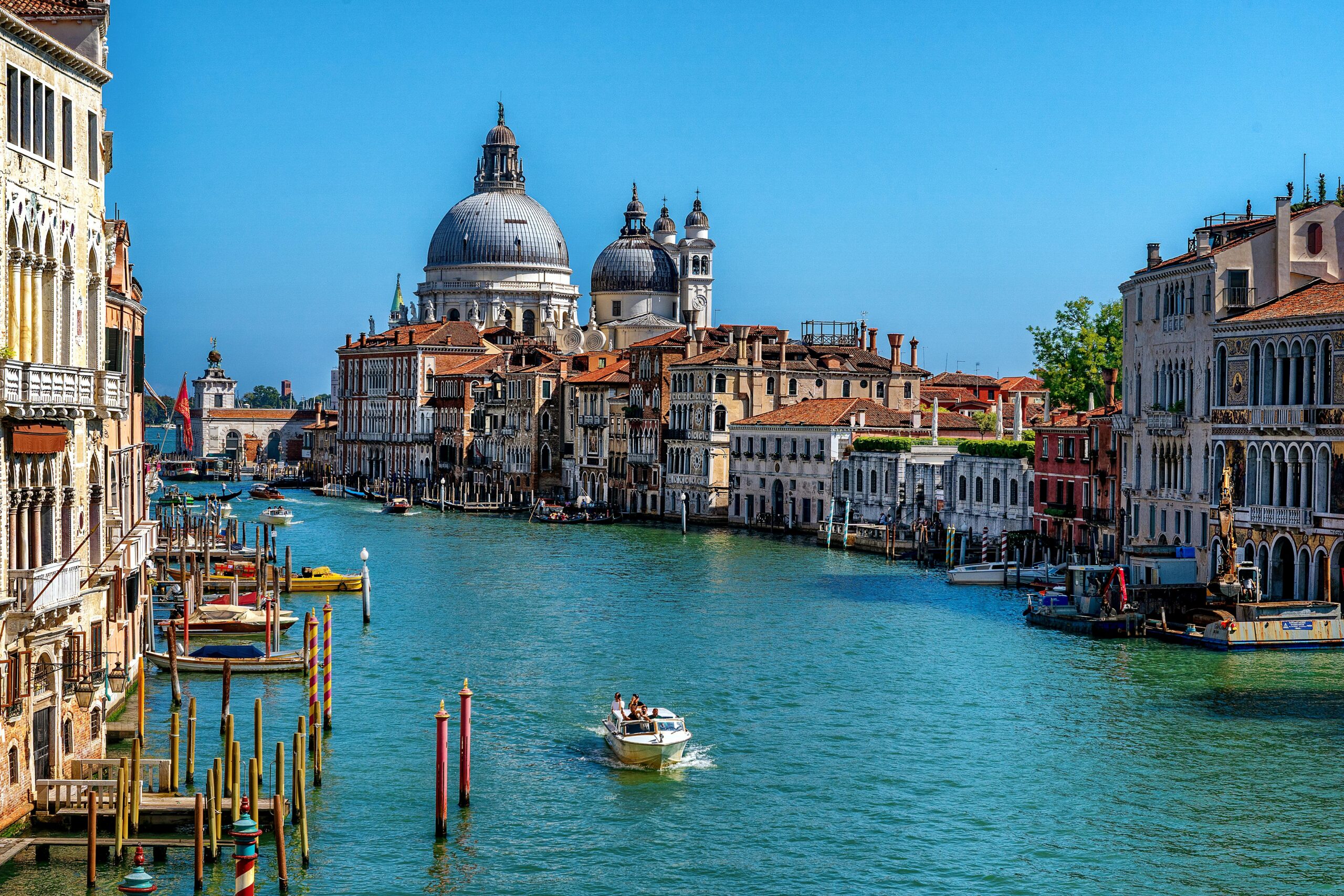
Days 8-9: Venice — San Marco at 7am, the Dorsoduro neighbourhood, Burano island for the coloured houses, a vaporetto journey down the Grand Canal at dusk.
Day 10: Return.
The Alternative (10 Days — For the Return Visitor)
For the traveller who has done the classic route and wants the other Italy.
Days 1-2: Naples — da Michele pizza, Museo Archeologico Nazionale, Pompeii or Herculaneum.
Days 3-4: Matera — the sassi, the cave hotels, the rupestrian churches.
Days 5-6: Puglia — Alberobello (dawn), the Valle d’Itria (bicycle and masseria), Lecce (afternoon and evening).
Day 7: Travel north by train to Bologna or take a flight to Bolzano.
Days 8-9: Dolomites — Tre Cime di Lavaredo hike, Lago di Braies dawn.
Day 10: Return from Venice or Bolzano.
Final Thought
I was in the Valle d’Itria in September, on a bicycle, on a back road between Locorotondo and Cisternino. The trulli appeared on both sides of the road in the olive groves — not the town trulli of Alberobello, just farm buildings, storage structures, small inhabited houses, exactly as they’ve been for several centuries.
A woman was picking figs from a tree beside one of them. She nodded. I nodded back.
Italy gives you these moments constantly if you’re on a bicycle on the right back road rather than in a queue at the Uffizi. Both are Italy. Only one of them belongs entirely to you.
Find the back road.
Question about Italy this guide doesn’t cover? Drop it in the comments.