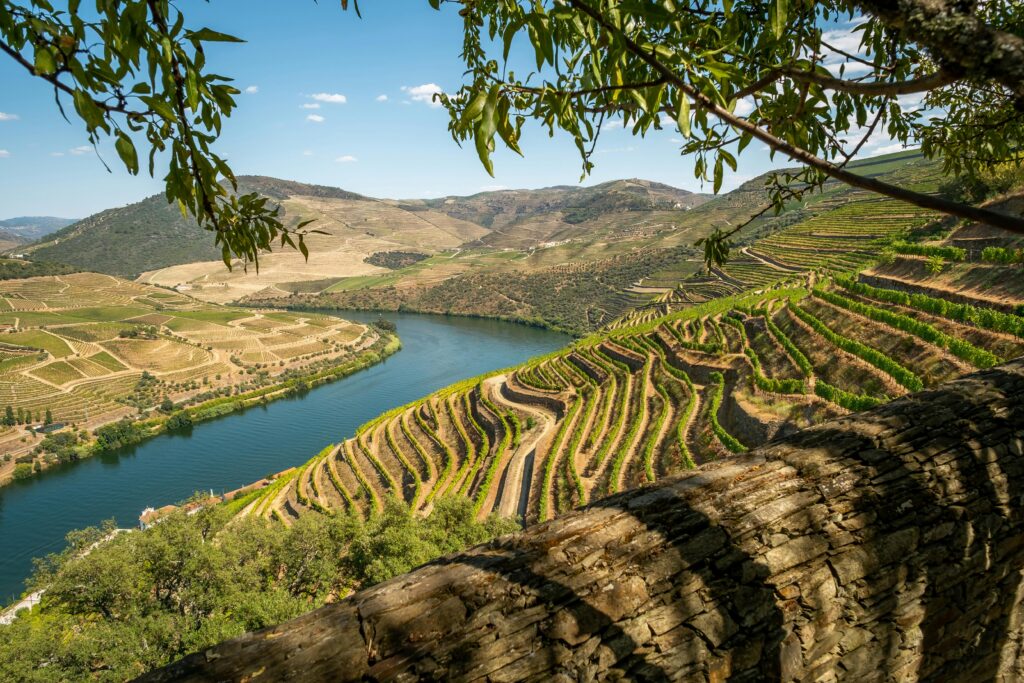




The 2-day passenger boat journey from Huay Xai (on the Laos-Thailand border) to Luang Prabang, the Mekong River at low season when the water is a specific brown-green and the sandbars are visible, the villages visible from the river that have no road connection, the overnight at Pak Beng in the single guest house strip, and why the slow boat is the correct approach to entering Laos for the traveller who has the two days for it.
Reading time: 7 minutes | Last updated: 2026
The Mekong slow boat is 300km in two days, from Huay Xai (the Laos border crossing from Chiang Rai in Thailand) to Luang Prabang. The boats are wooden passenger vessels converted from cargo boats — bench seating, a roof, a small kitchen at the stern. The journey takes 2 days (approximately 6-8 hours each day), with an overnight at Pak Beng, a village roughly halfway.
The alternative: the speedboat (2 hours, five times the price, the boat a narrow fibreglass shell doing 60km/h on the river, the passengers wearing life jackets and motorcycle helmets). The speedboat is faster. The slow boat is the correct choice.
The Experience
Day 1 (Huay Xai to Pak Beng, 6-7 hours):
The boat departs Huay Xai at approximately 11am (after the morning cross-border procedure at Chiang Rai). The river in the first section: the Thai bank on one side (forest), the Laos bank on the other (the Golden Triangle — the opium-producing region historically, the specific geography visible as the river passes the confluence of the Ruak River with the Mekong at the Thai-Laos-Myanmar tripoint).
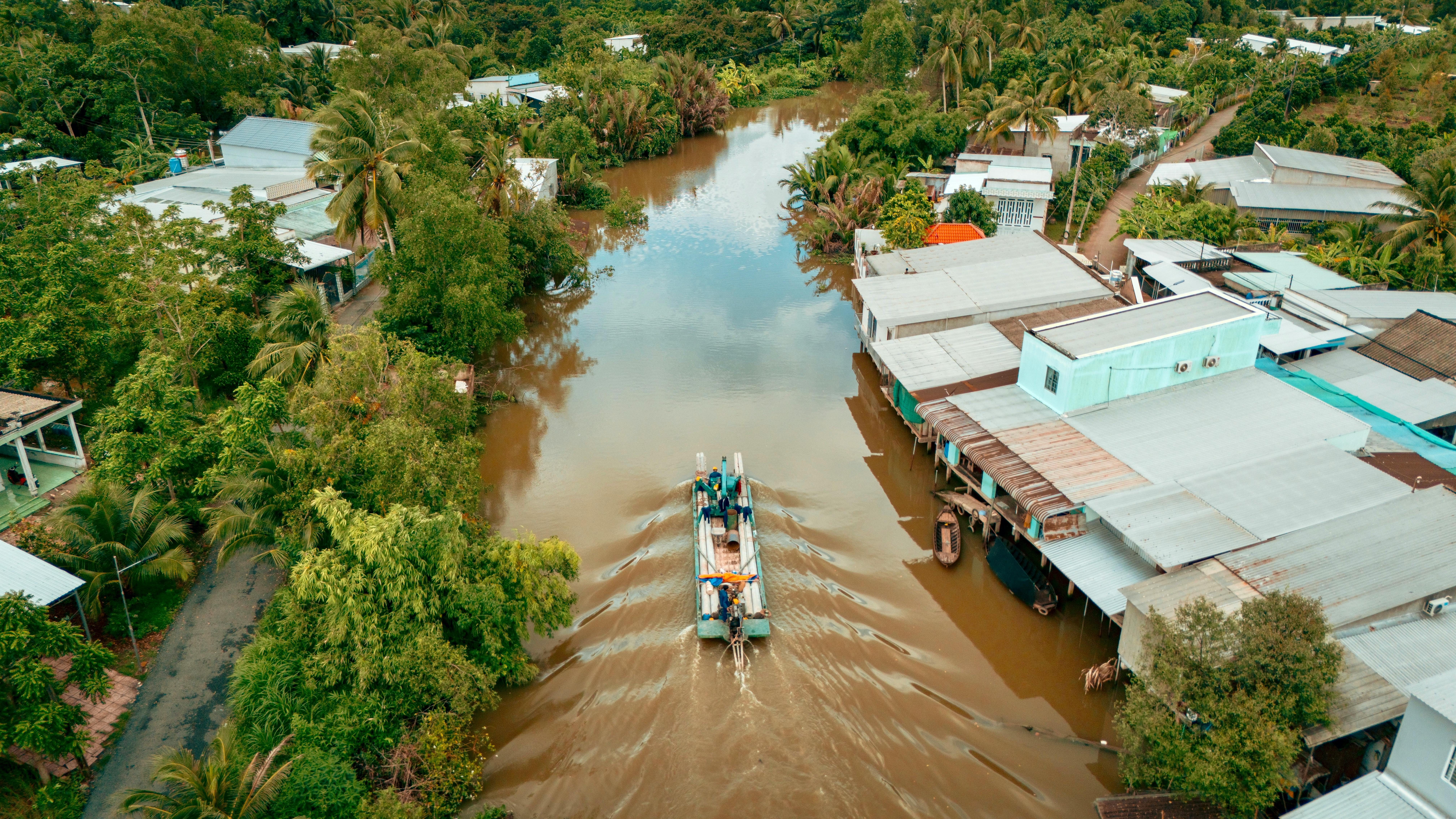
The Laos bank becomes the landscape: the forest hills, the villages at the river’s edge, the dugout canoes at the bank. No road is visible from the river for most of the journey. The villages that appear at intervals are the specific communities that exist because the river, not the road, is their transport infrastructure.
The seating: the boats have no fixed seating plan — the wooden benches are first-come-first-served. The seats at the back, near the engine, are louder; the seats near the front are quieter and give better forward views. Bring a cushion (sold at the Huay Xai pier for £1.50 — the advice to bring one is unanimous and accurate).
Pak Beng arrival: approximately 5pm. The village has one street, a guesthouses strip (£5-12/night for a basic room), and restaurants serving Lao food. The entire village functions as a slow-boat overnight stop. It is not charming in the conventional sense. It is functional. The Mekong at Pak Beng at sunset, from the bank: genuinely beautiful.
Day 2 (Pak Beng to Luang Prabang, 7-8 hours):
Earlier departure (9am). The river below Pak Beng is wider and the landscape more open. The Pak Ou caves visible from the river 25km before Luang Prabang (two cave temples filled with Buddha images, the specific moment when the river begins to curve toward the old city).
Arrival Luang Prabang: 4-5pm. The boat docks at the Luang Prabang pier, the old city a 15-minute walk away.
The Practical Information
The route: Chiang Rai (Thailand) → Chiang Khong (Thai border town, 75km north of Chiang Rai, 1.5 hours by songthaew) → cross border to Huay Xai → slow boat departs.
The booking: Tickets purchased at Huay Xai pier on arrival. Peak season (November-February): the boats fill — arrive early at the pier. Shoulder season: tickets available on the day with no stress.
Cost: Slow boat ticket: 220,000 kip / £9.35 per day (so £18.70 for the full two days). Pak Beng guesthouse: £5-12. Total: £24-31 for the two-day journey plus overnight.
The speedboat alternative: If time is the constraint, the speedboat exists and makes the journey in 2 hours. It is genuinely fast and genuinely uncomfortable and it misses the point of the Mekong.
What to bring: Cushion (essential), a blanket or light layer (the river is cooler than the surrounding air), snacks and water (the boat kitchen serves noodles and beer but the options are limited), a book or downloaded content (the journey is beautiful but 7 hours is long).
The Closing Moment
Day 2, approximately 1pm. The river had widened. A village appeared on the Laos bank — 15-20 houses, a small temple, dugout canoes pulled up on the bank. The village had no road visible from the river.
A woman was washing clothes at the water’s edge. She looked up at the boat. The boat passed. She returned to the washing.
This is what the slow boat is for: the 300km of Laos visible only from the river, the communities that exist in the specific relationship with the Mekong that roads don’t produce. The fast travel between Chiang Rai and Luang Prabang (the speedboat, or the new railway from China) is faster. The slow boat is the understanding.